




































































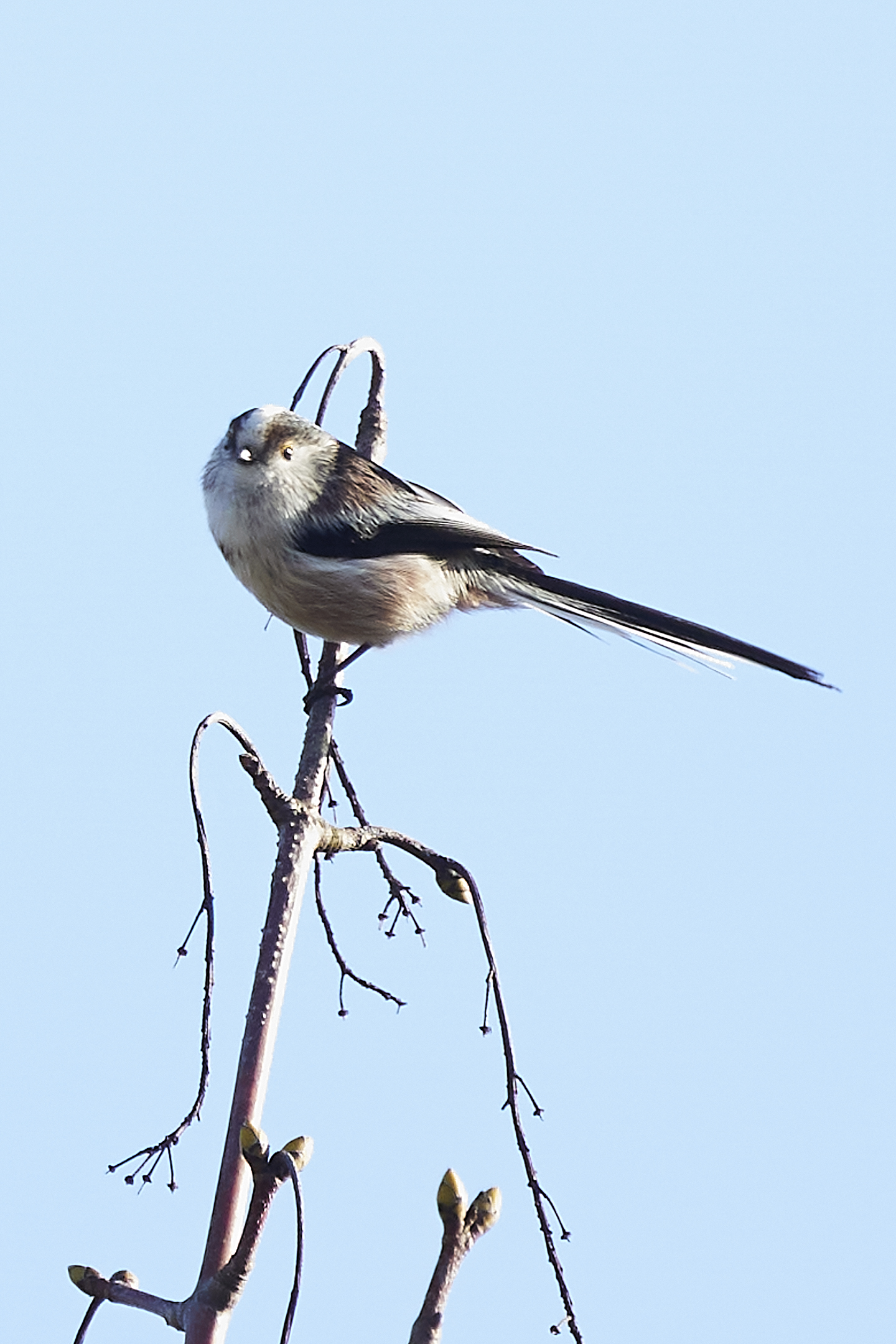
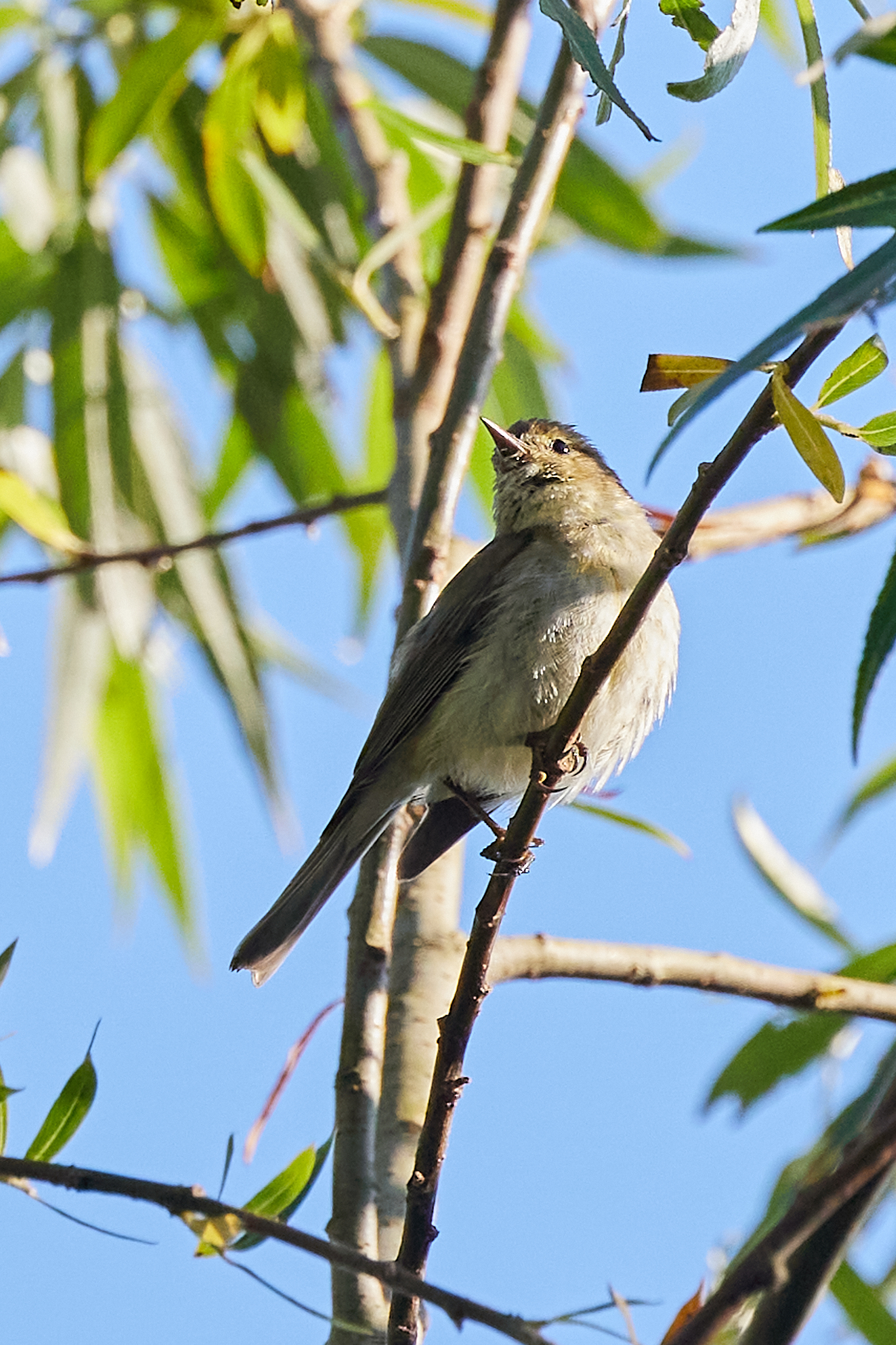


Wren
It is odd, outside the sun shines every now and then and in about a week the astronomical summer sets in, and here I am writing about a bird that is commonly associated with winter by its name in Holland. However, this noisy racket (no less than 90 decibels, for comparison: When I turn on my sound system a little louder than I usually do, that produces 60 db) can't even survive a more severe winter. In the breeding season the male sings from dawn to dusk to impress a female. This noisy racket is, with its average size of 10 cm and wingspan of 17 cm and weight of only 8 to 13 grams, a small bird. For comparison: a two-euro coin weighs 10 grams. Its fat reserves are used to maintain normal body temperature of around 40 °C at night during days of severe frost. For example, a wren can lose up to 10% of his weight in a cold night. The wren is a hibernating bird, it does not migrate, is stays put. To survive a cold winter, they snuggle up in groups. The record of wrens in one such groups is 61 specimen. However, it usually sleeps with up to 10 specimens in a nest. The average age of a wren is about half a year, and every year 40 to 50% dies prematurely. This is also due to the fact that there is not much food for a wren in winter, it mainly eats insects, insect larvae, small worms and spiders.
I almost hear you think what a cozy bird, what a friendly and social creature this wren, snuggling up to trie to survive! Unfortunately, it is not known as such. Wrens are not friendly birds at all. Not to each other and not to other birds. The male cheats and the females can also be mean. As soon as the young have flown out, but is still neads some feeding, she's gone. She still takes care of the hatchlings, but then lofts with another male, to start a new litter again. Also, both male and female wren may steal the eggs of other nests nearby and not just of their own species. In that respect, they are not less awkward than acoal tit which is known to pick the brain of another bird.
On the other hand, if the wren make it through their first year, they are also fast propagators. They lay 6 to 7 eggs per hatch and usually they breed twice a year, sometimes even three times a year. By smashing other eggs, there is more food left for the female who desperately needs it. By mating with other males the genes become more diverse and the population grows stronger and the male contributes to this by spreading his genes as best as possible. It's all for the survival of the species!
The scientific name of this little bird, Troglodytes troglodytes, actually means "cave dweller," due to e of the spherical nests it makes. However, according to a Greek sage, in which the birds wanted to elect their own king. The bird that could fly the highest would be chosen. The clever Troglodytes troglodytes devised a list of mythical proportions: He hid among the feathers of an eagle. When the eagle flew at its highest point and thought to become king of all birds, the little bird came out of the feathers and flew a little higher. The resentment of the other birds led them to trap the wren. They pointed out to the wren that a king should not only be able to hover majesticly in the blue hinein, but also to grovel in the deep of the brown earth. The bird, sometimes compared to a mouse cringed in a small mouse hole, whereafter the other birds set up an owl to guard the hole like a guard and locked it in the dark for life. Unfortunately for the other birds, the owl fell asleep, the Troglodytes troglodytes escaped and got his name once and for all. Alas, it is not all peace and qiuet among birds, sometimes a large bird of prey like the buzzard or the eagle itself, is more friendly to smaller birds than those little excited rackets are to their kindred. Fortunately for us Earth bound hikers it is still nice to hear and see them.

