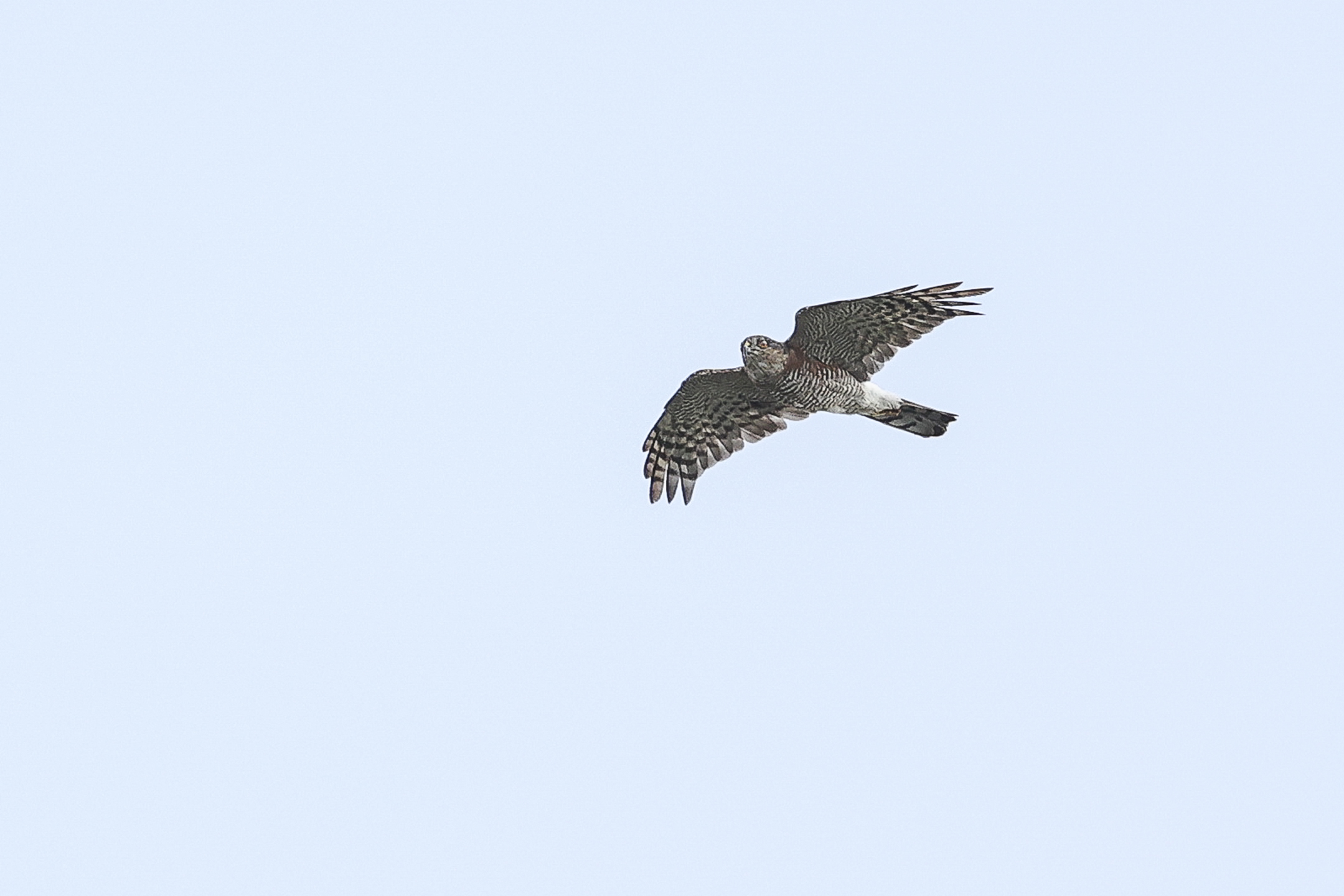
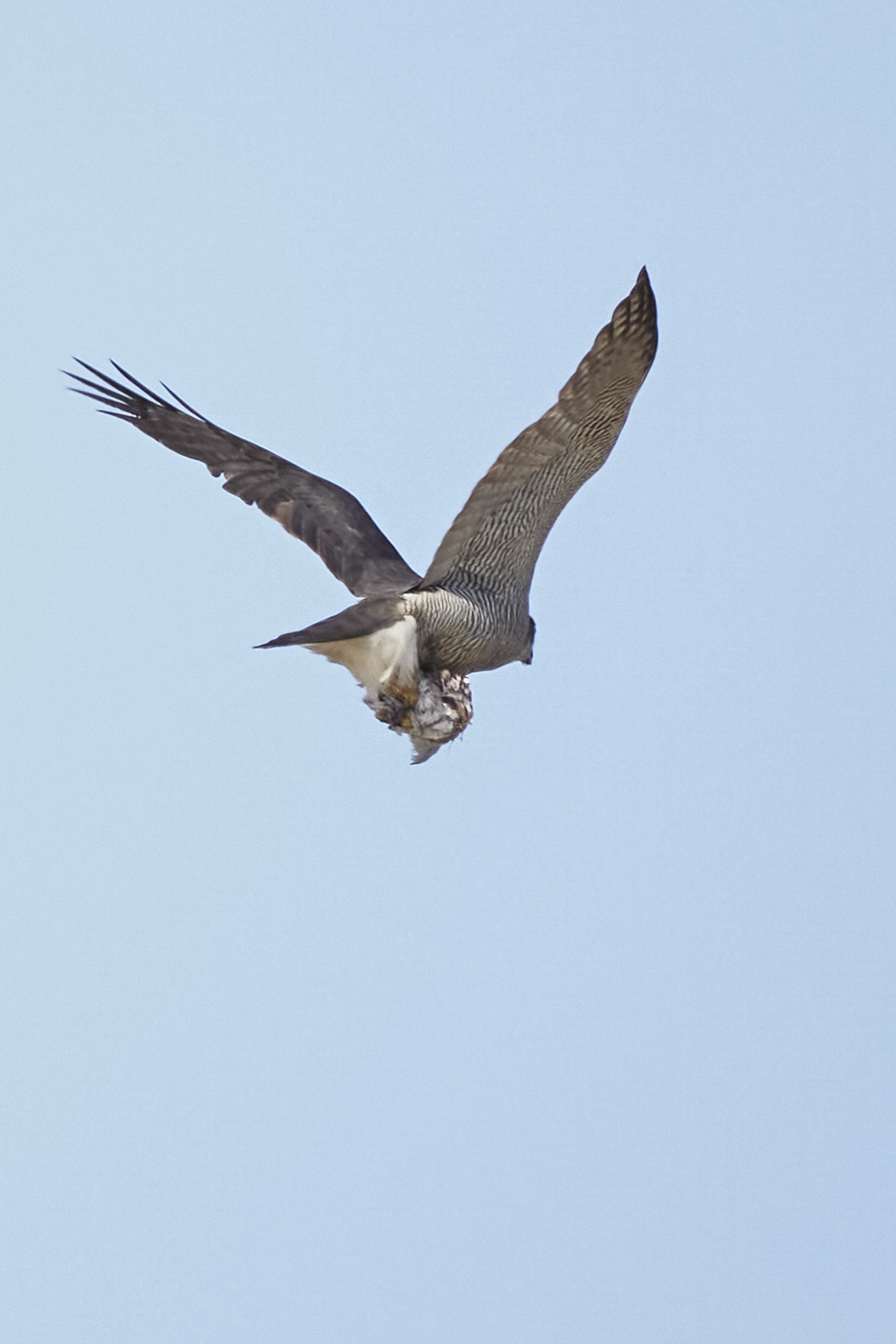
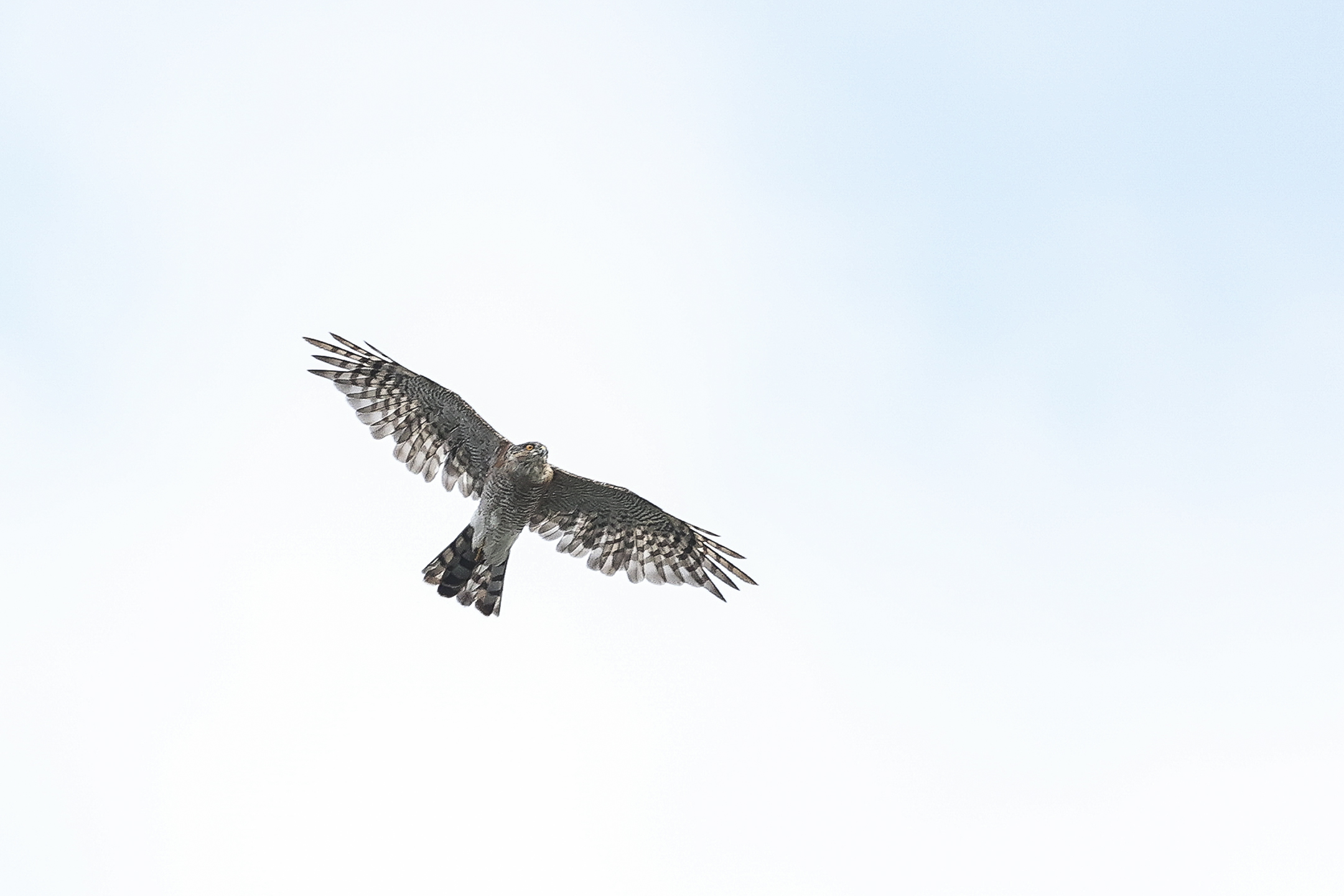
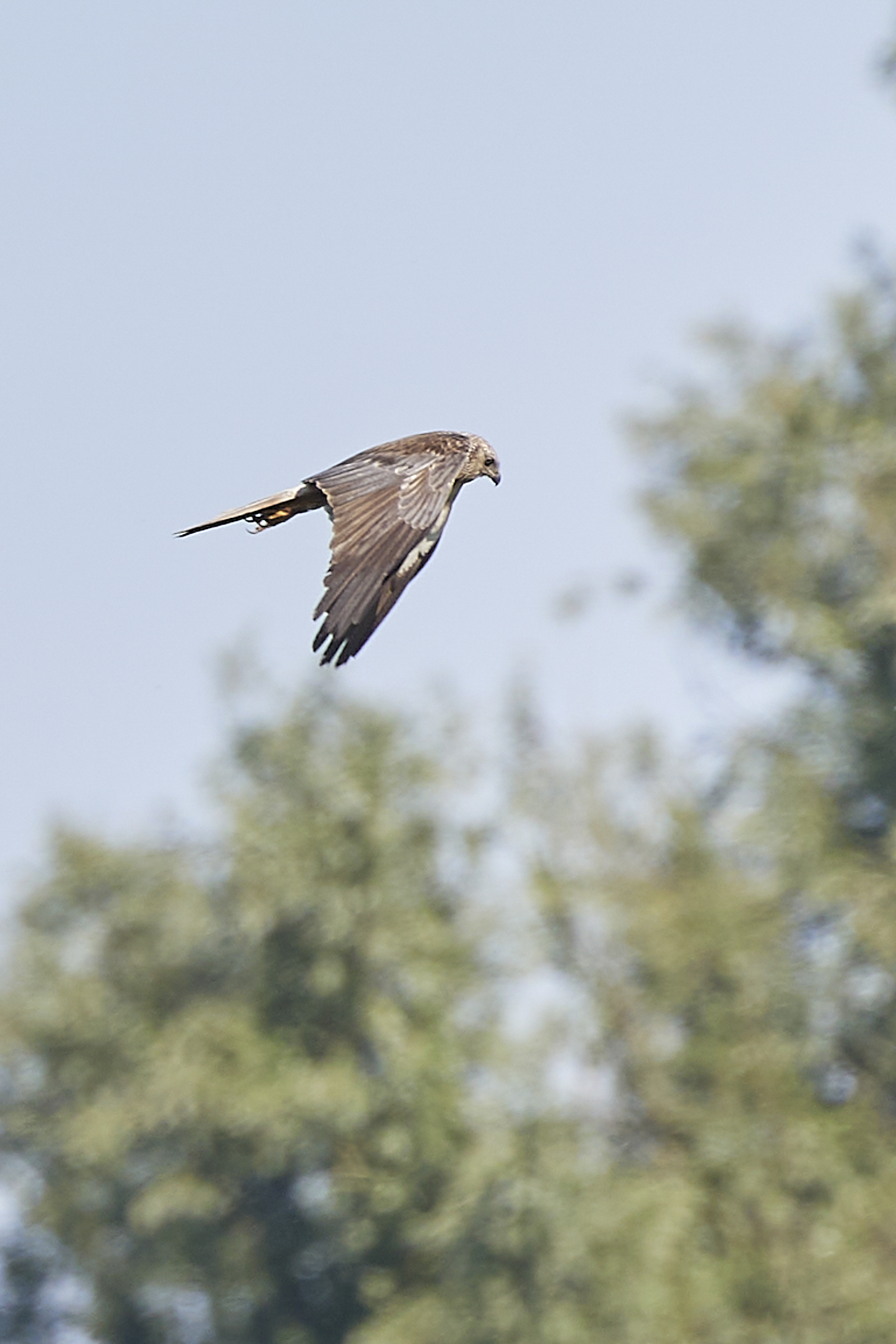
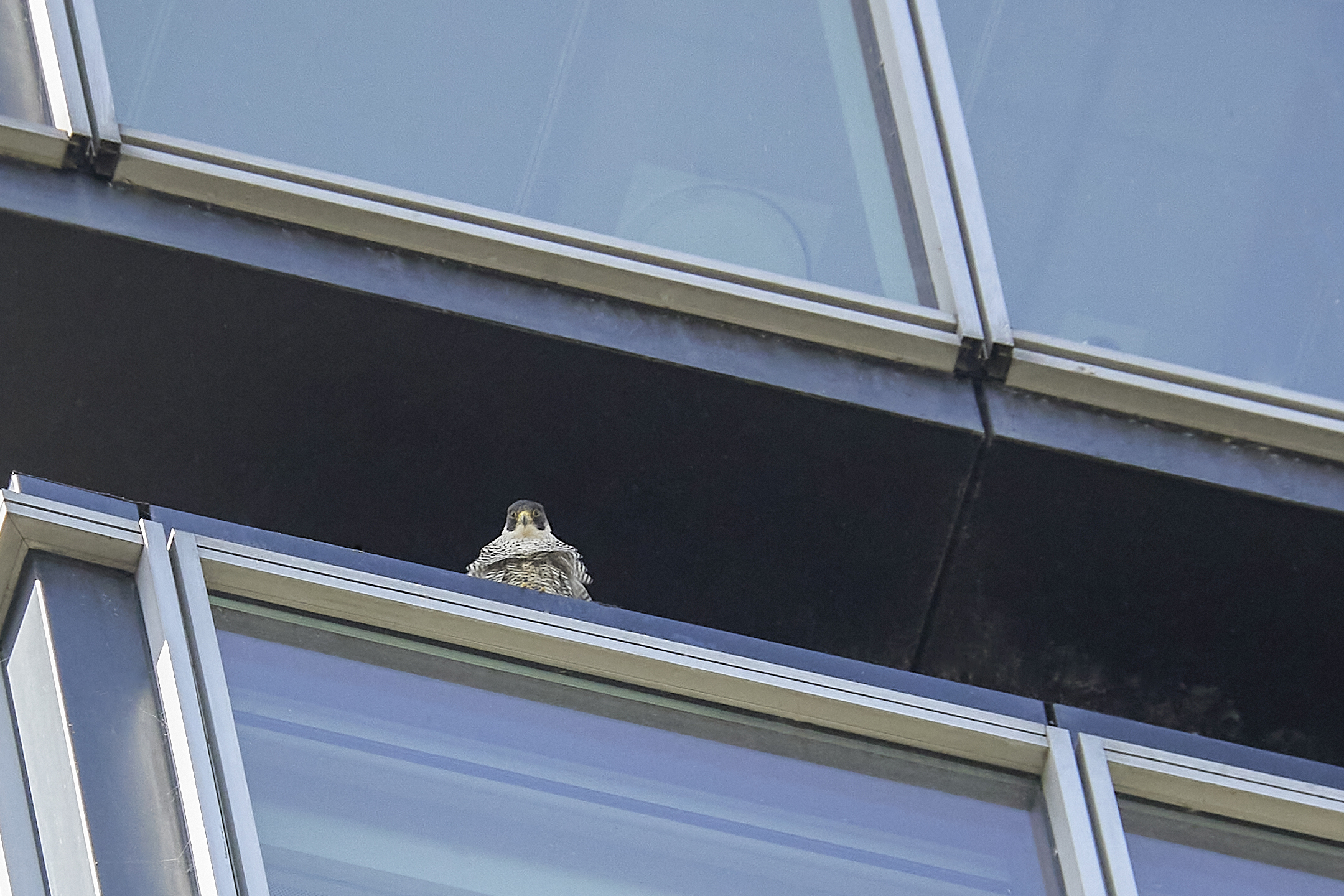
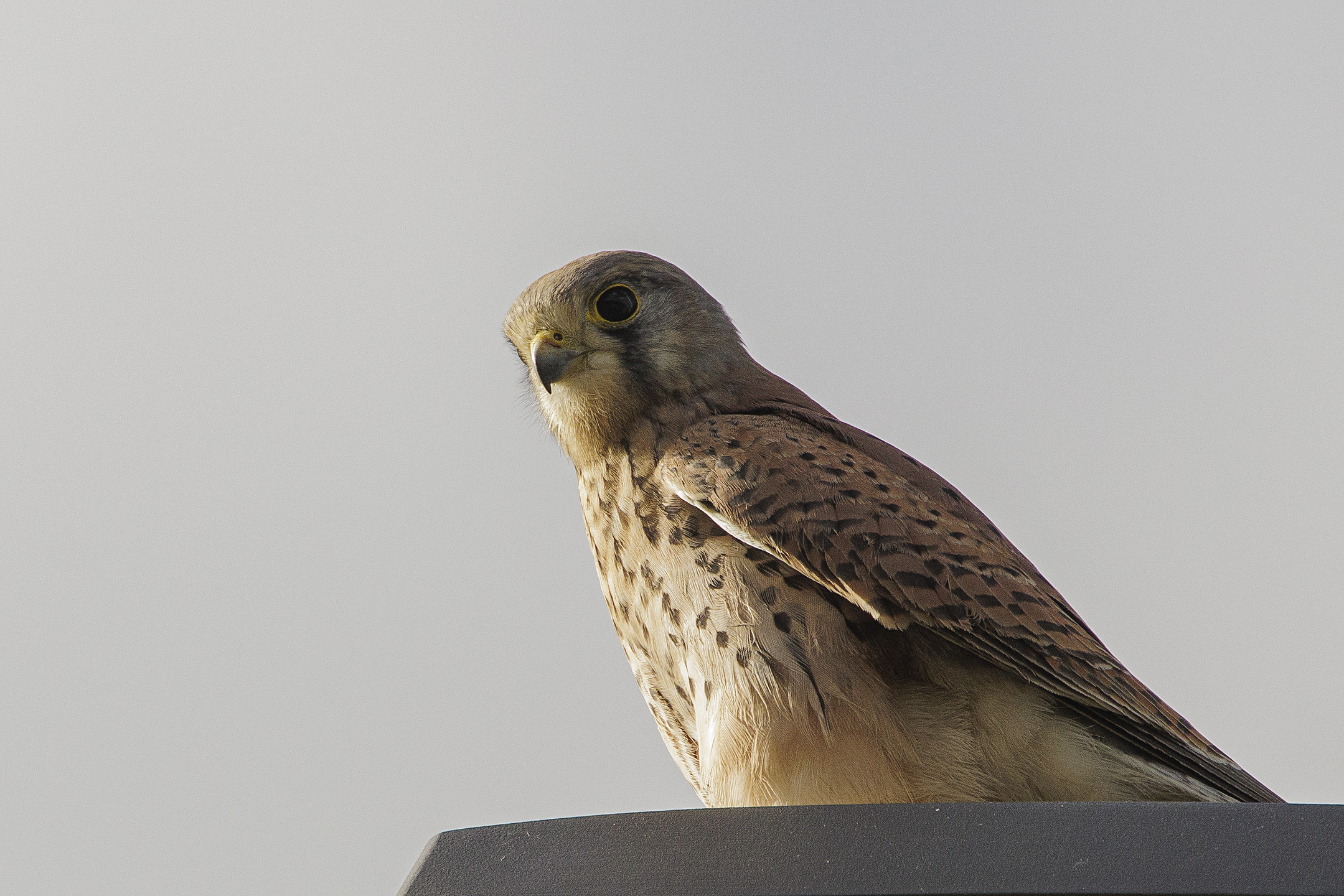
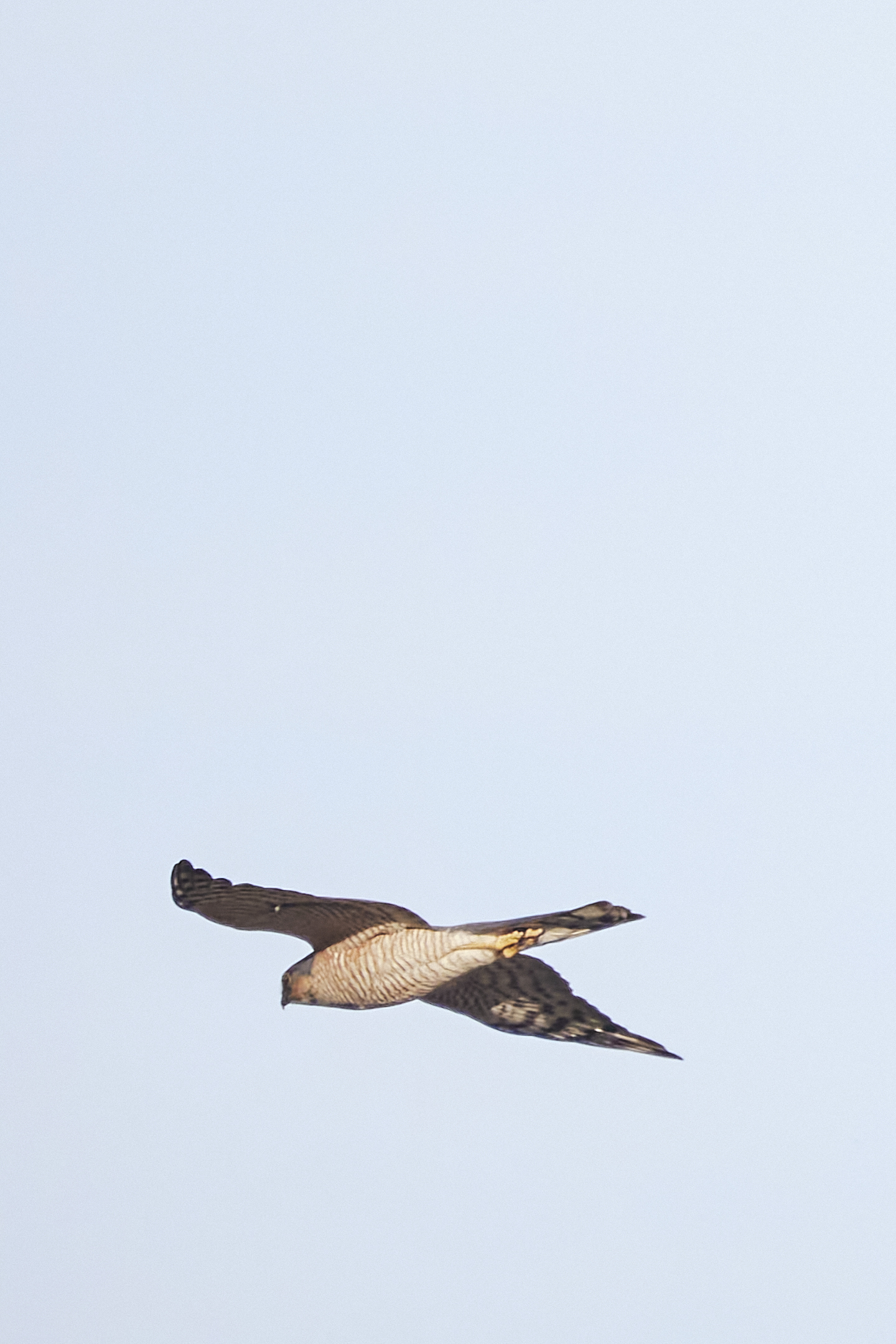
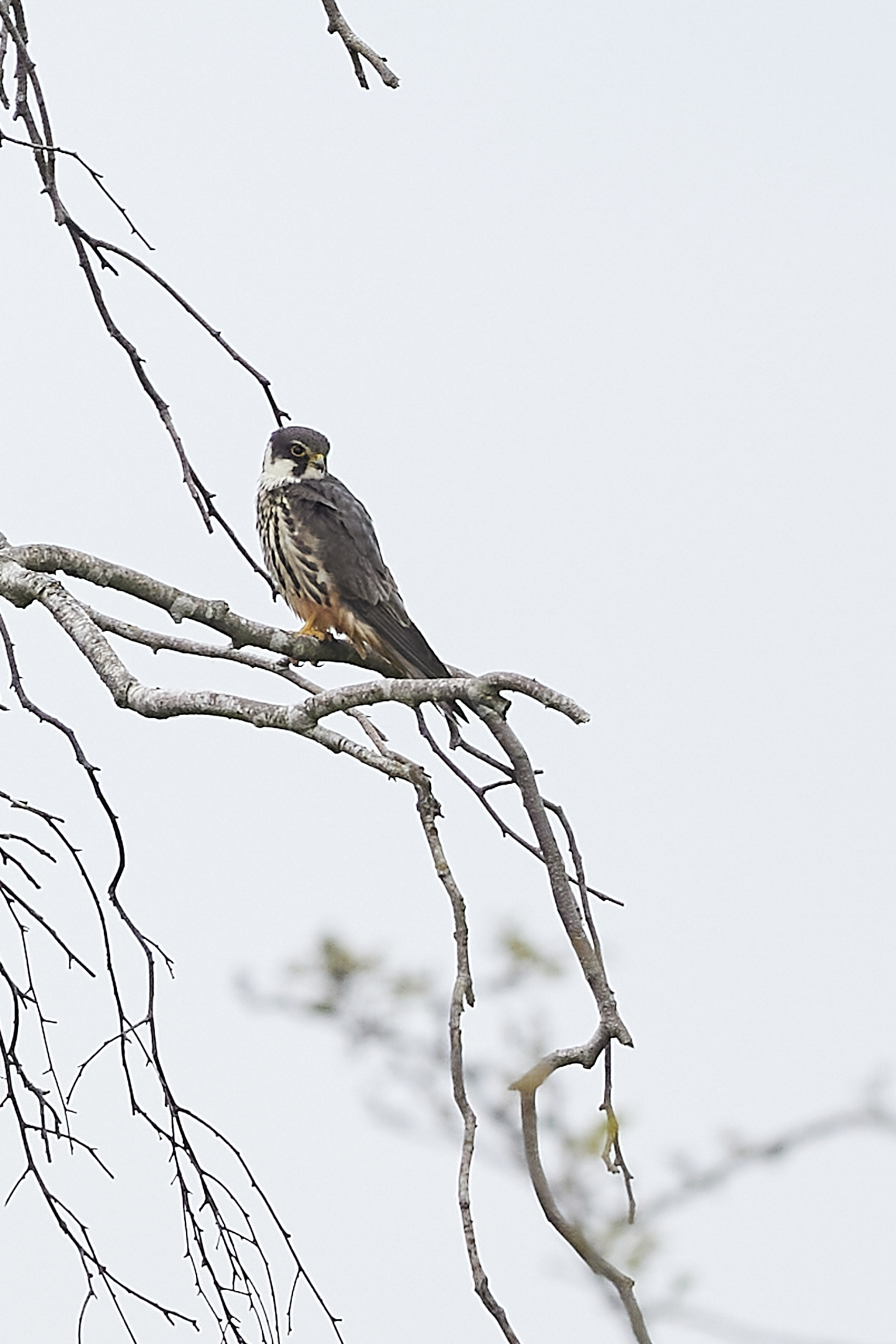

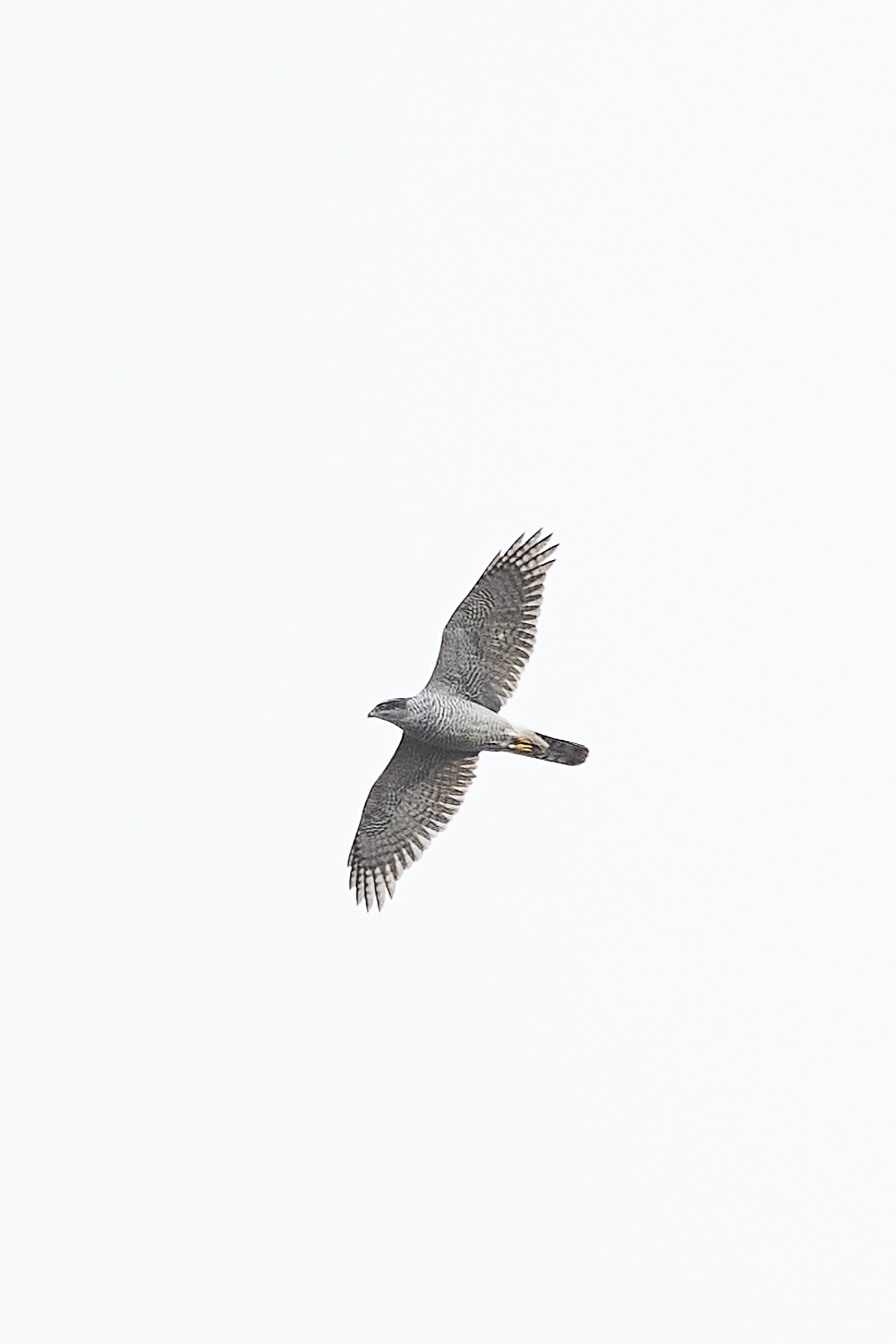
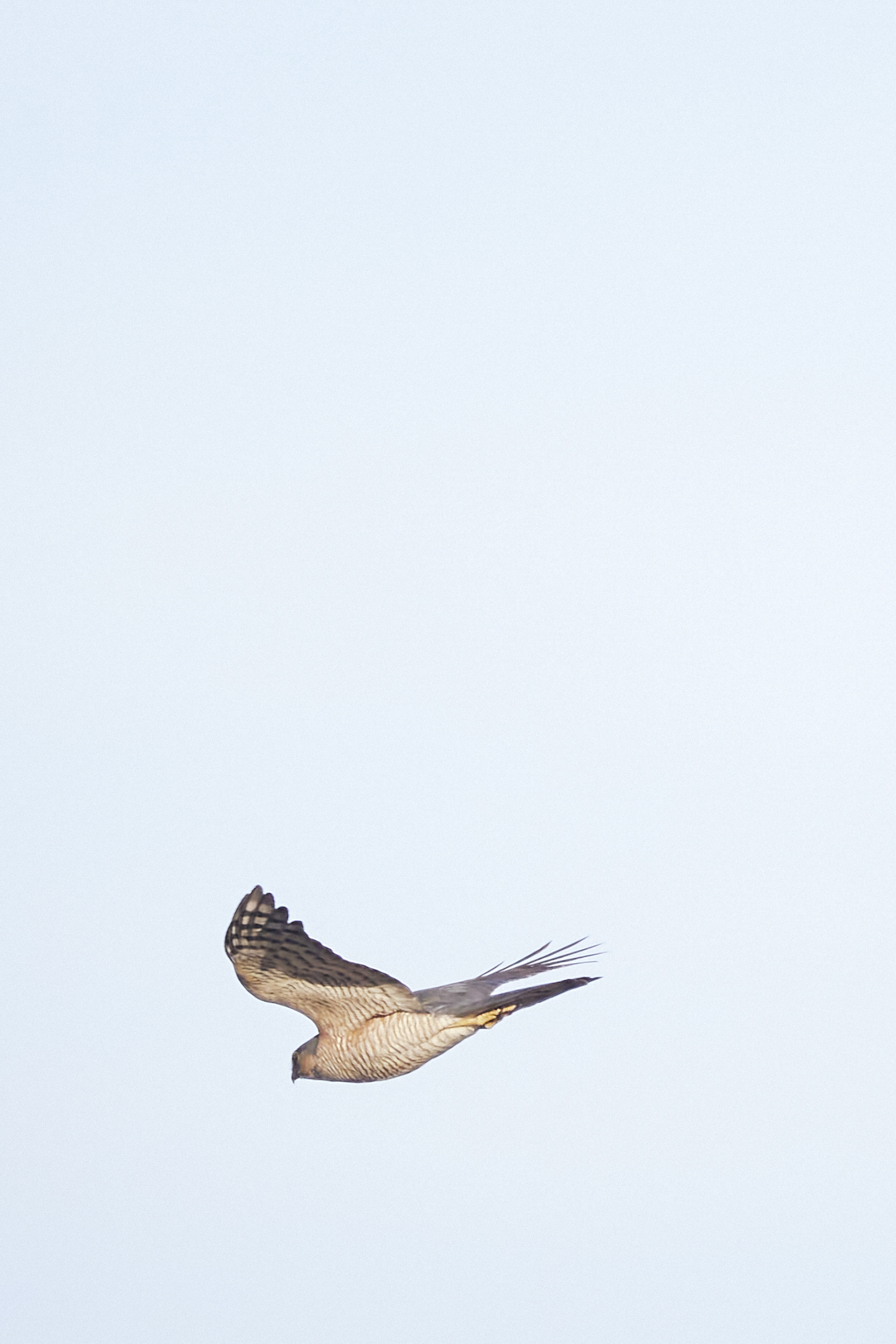
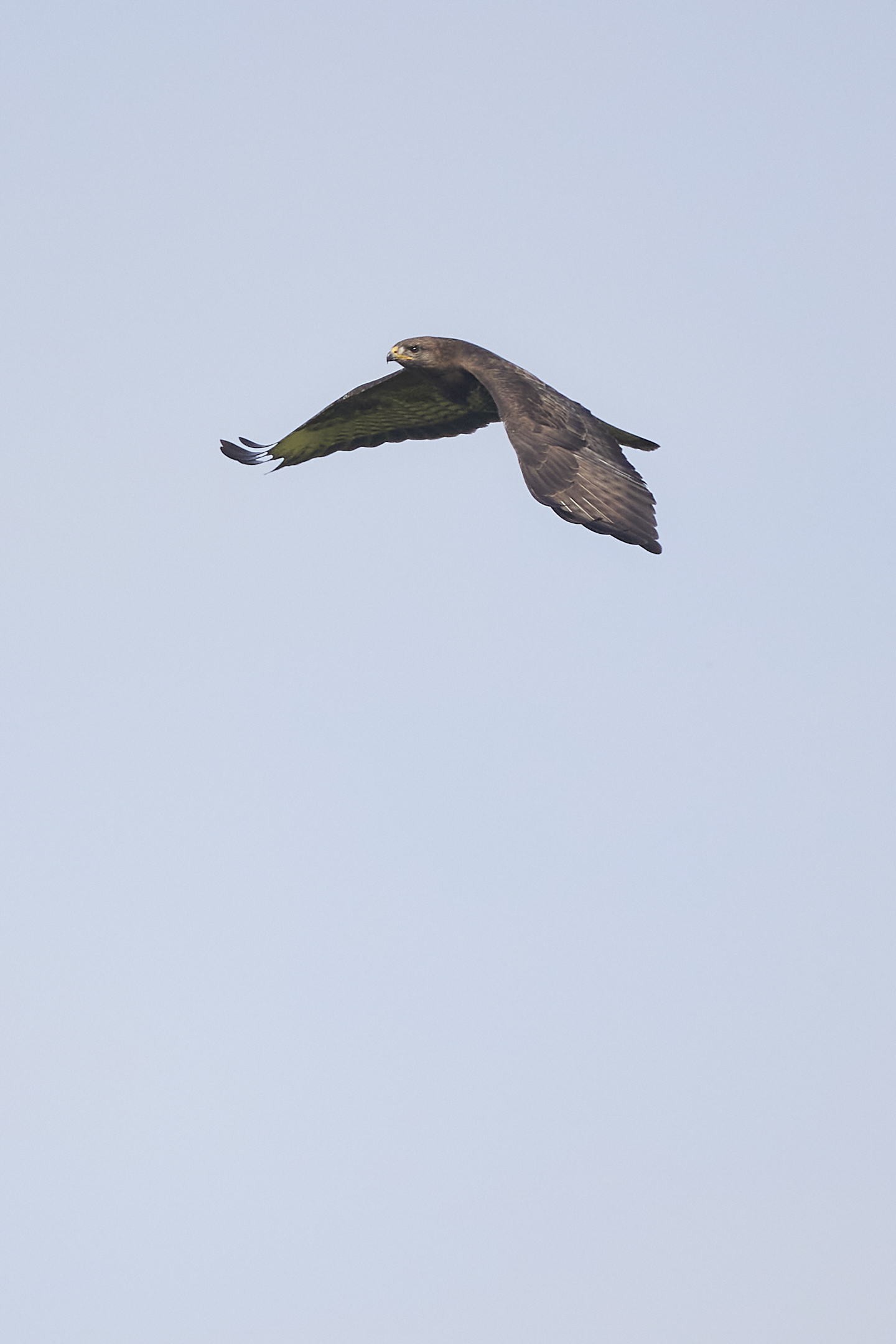
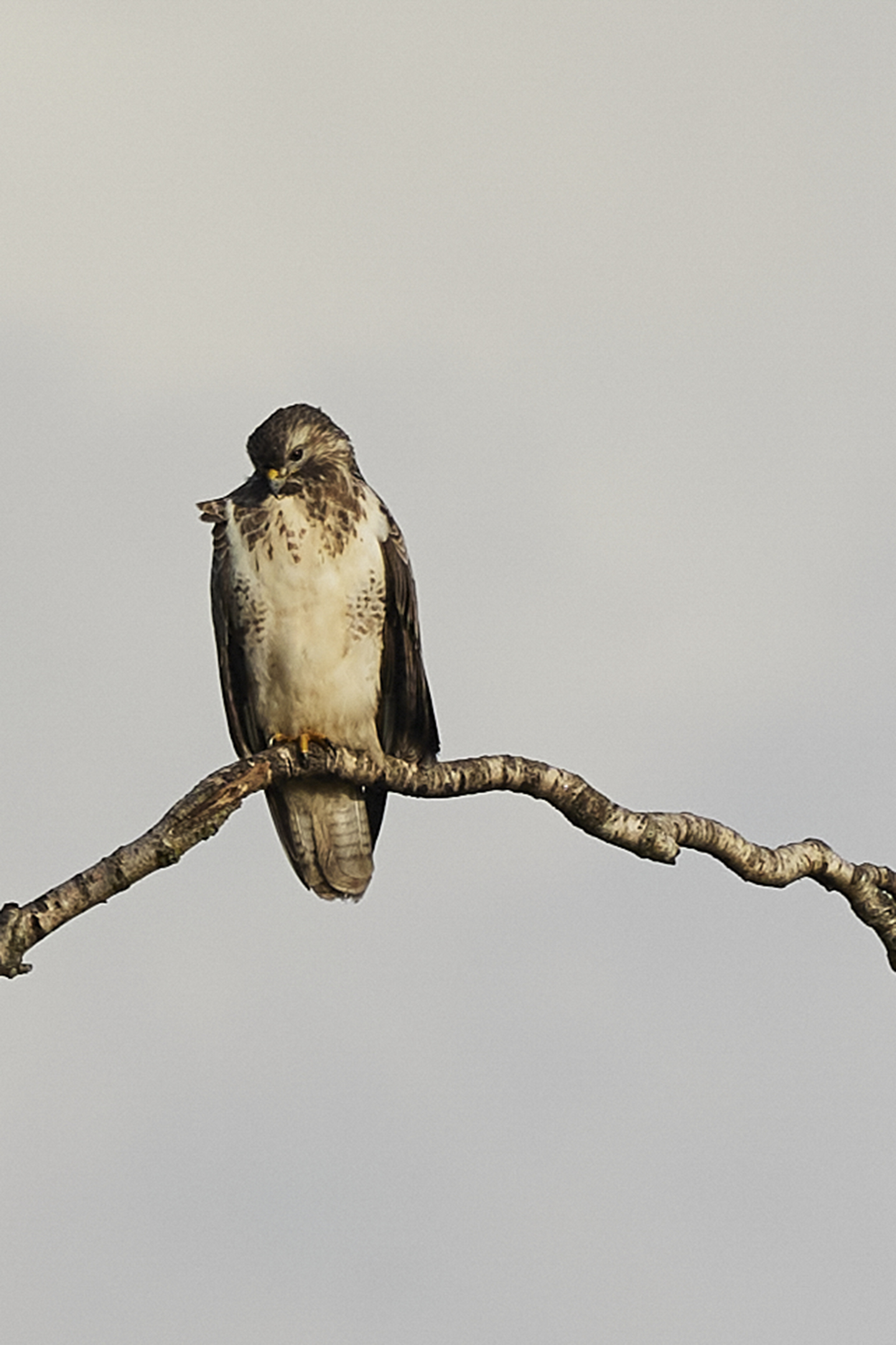
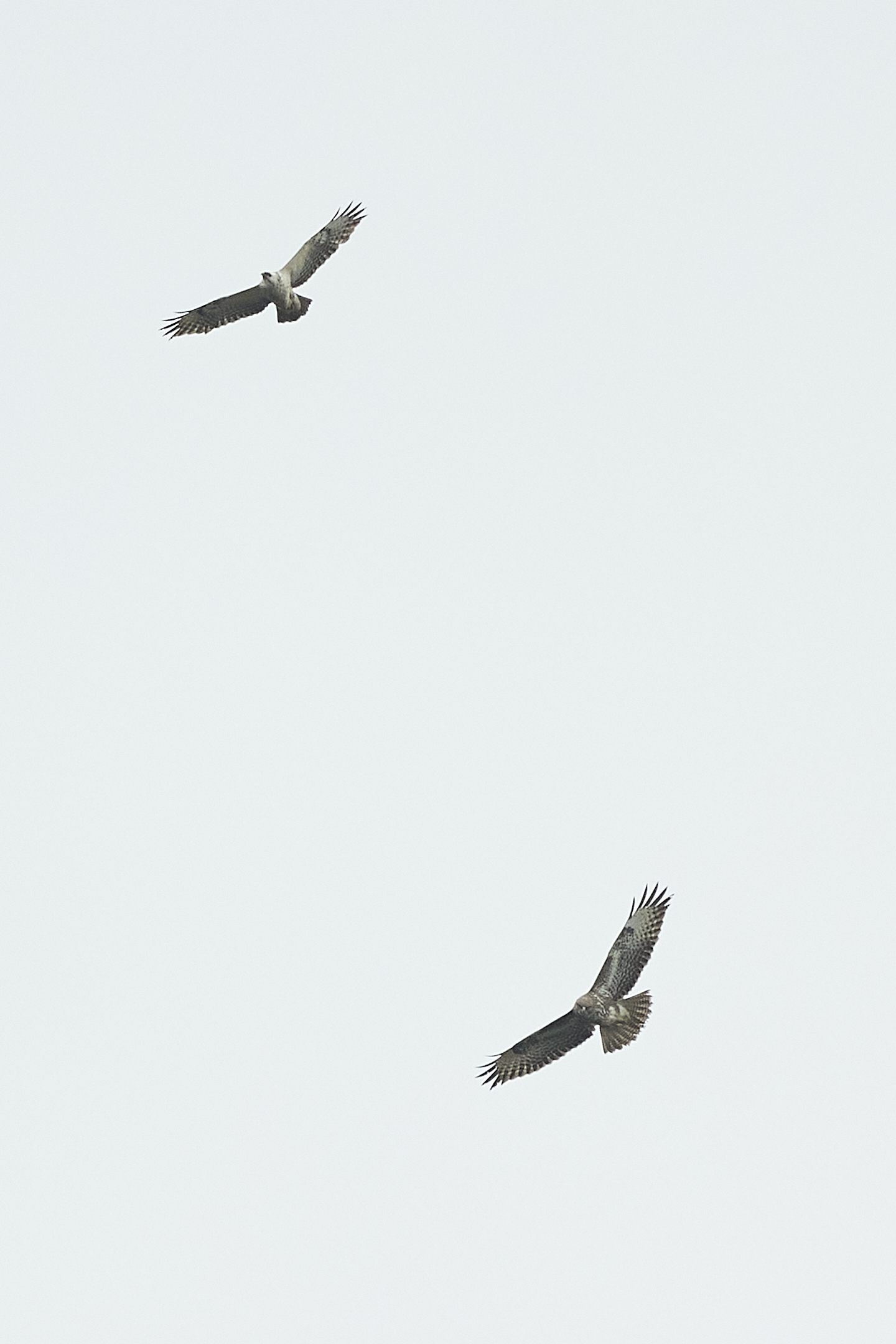
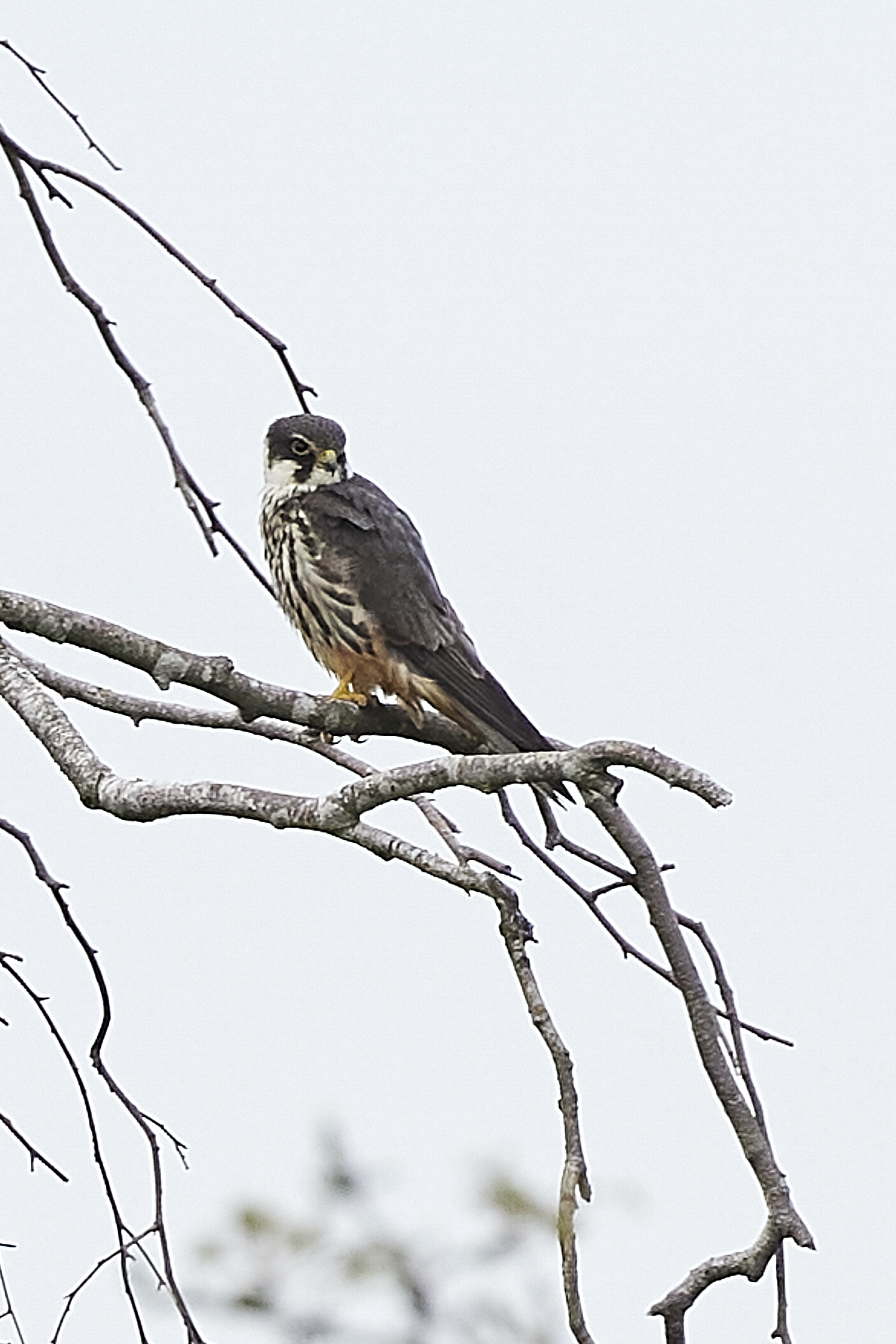
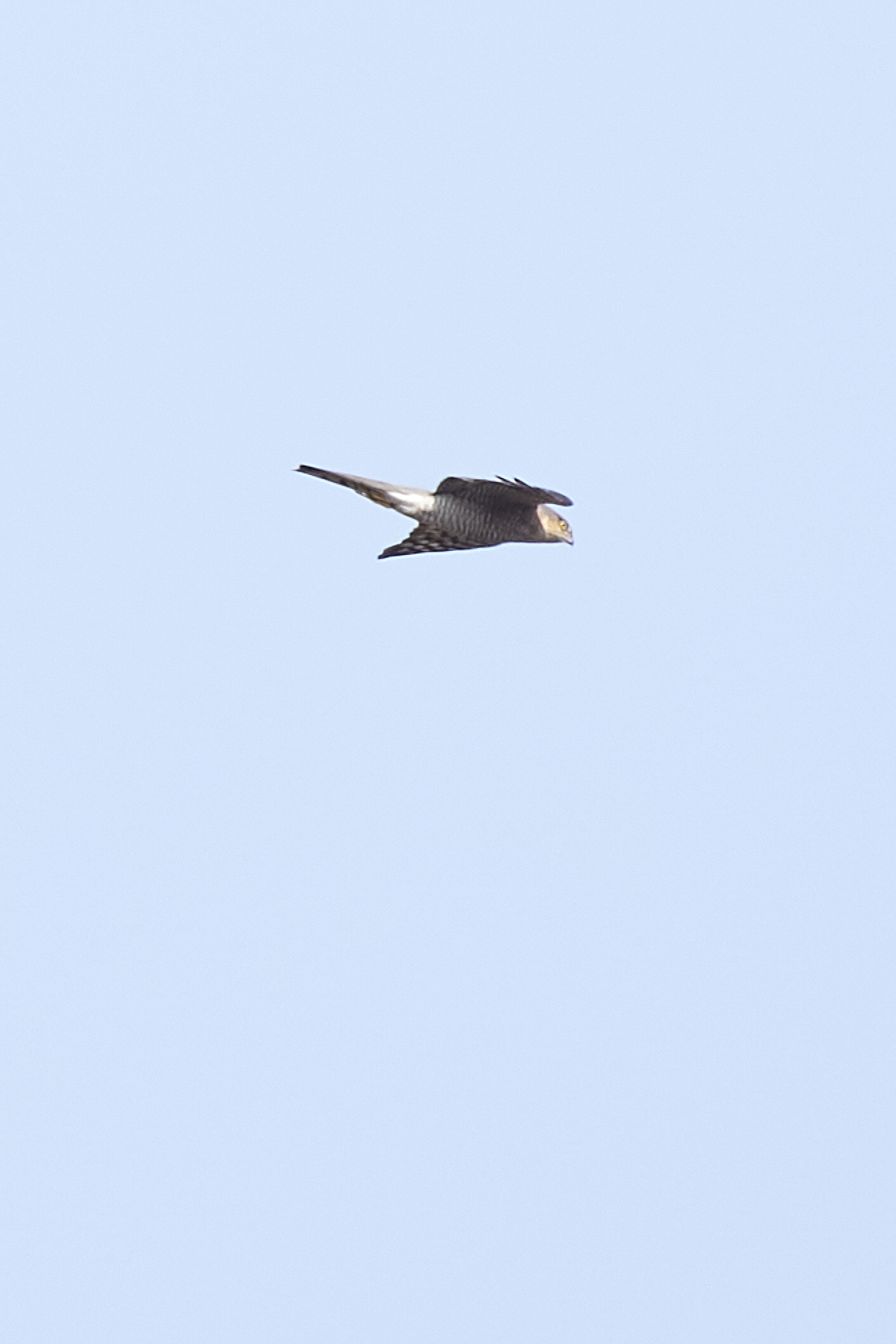
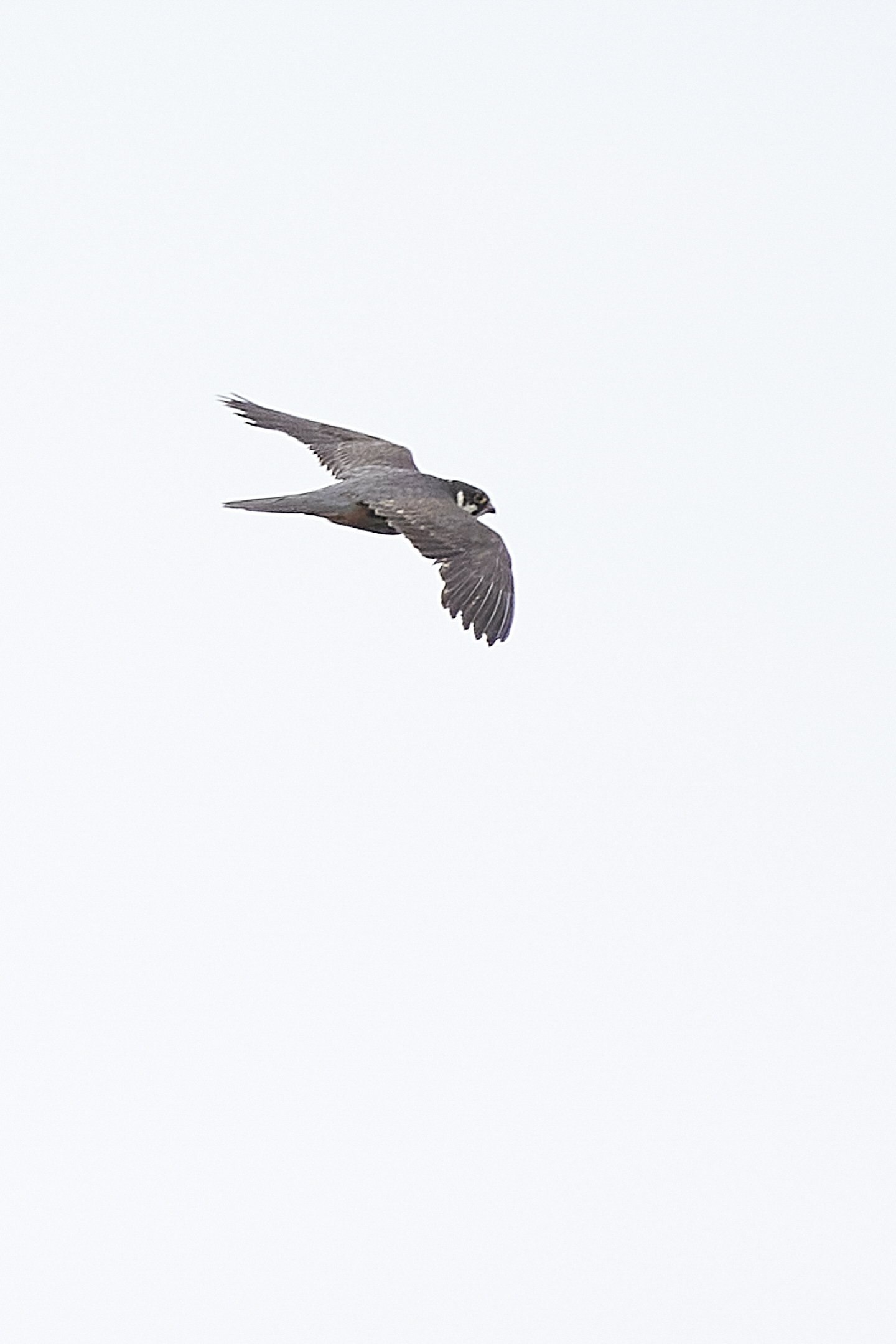
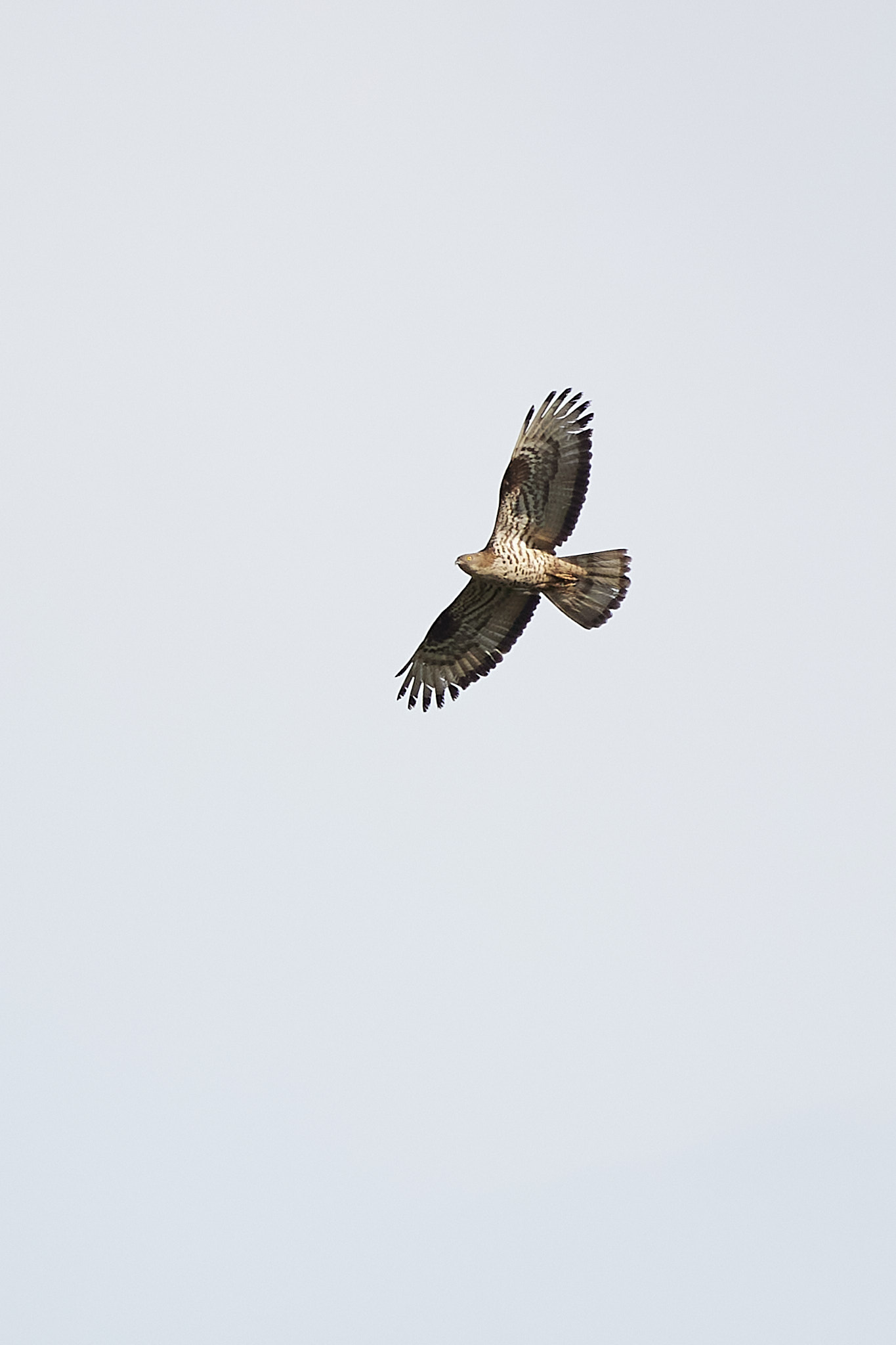

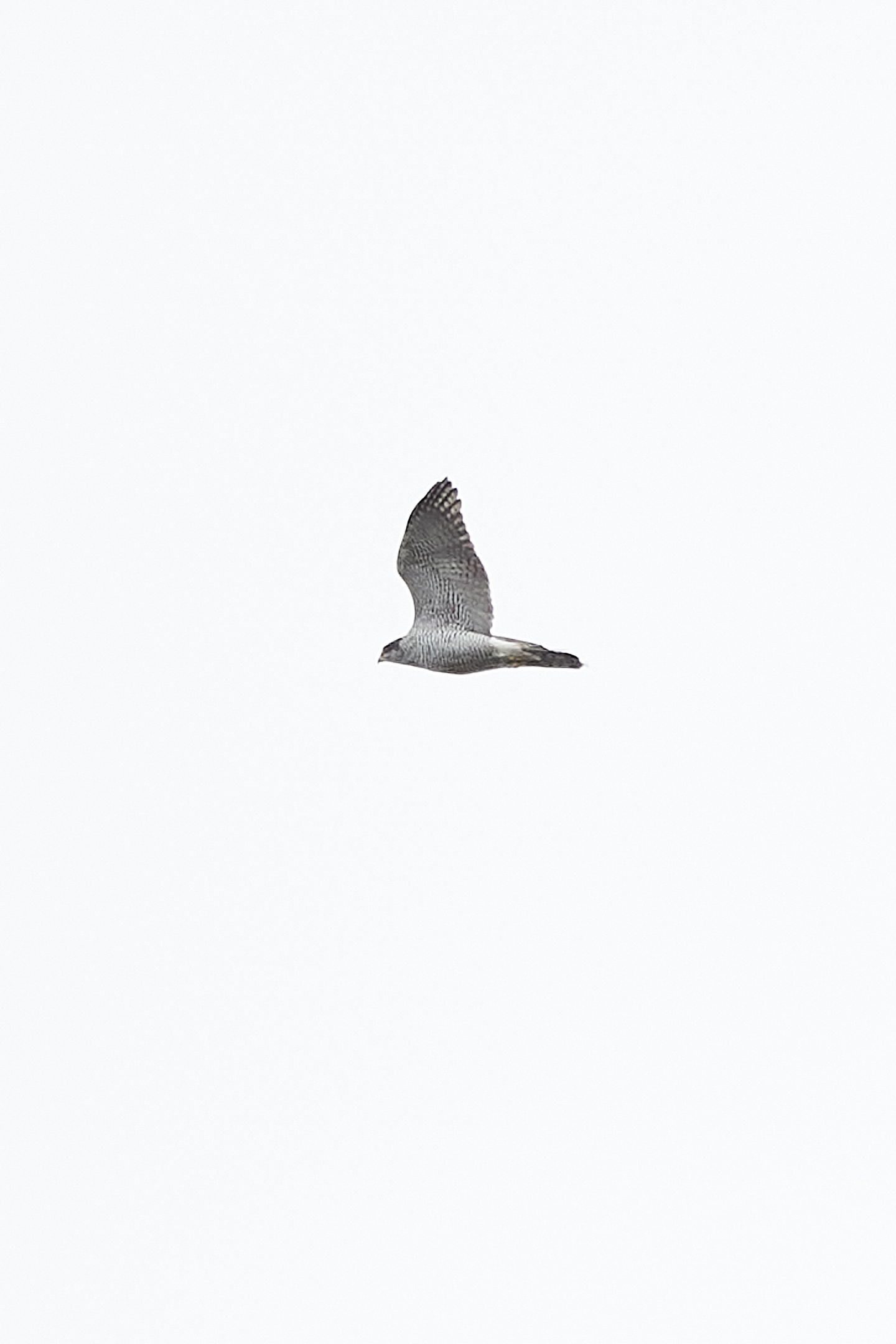
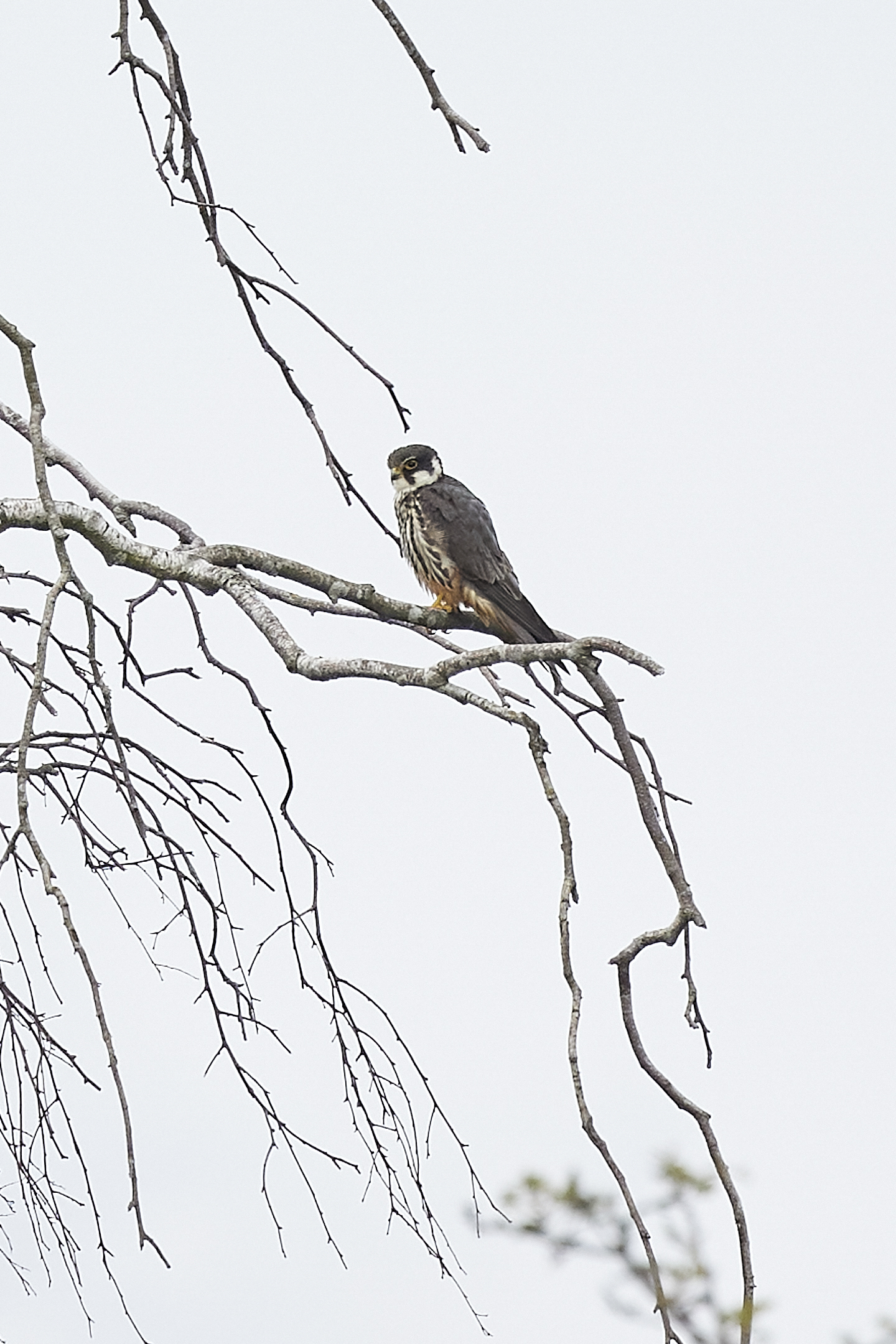
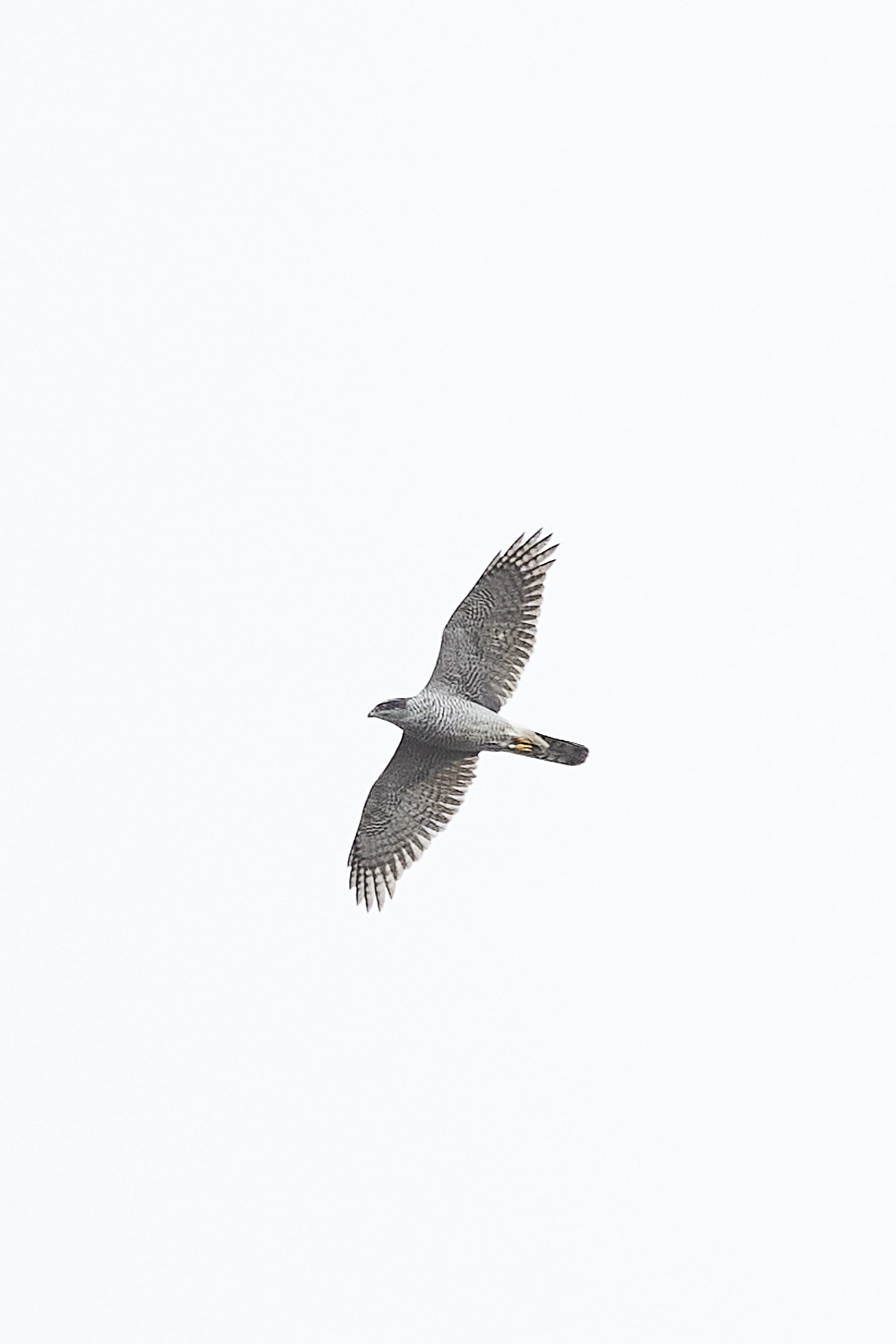
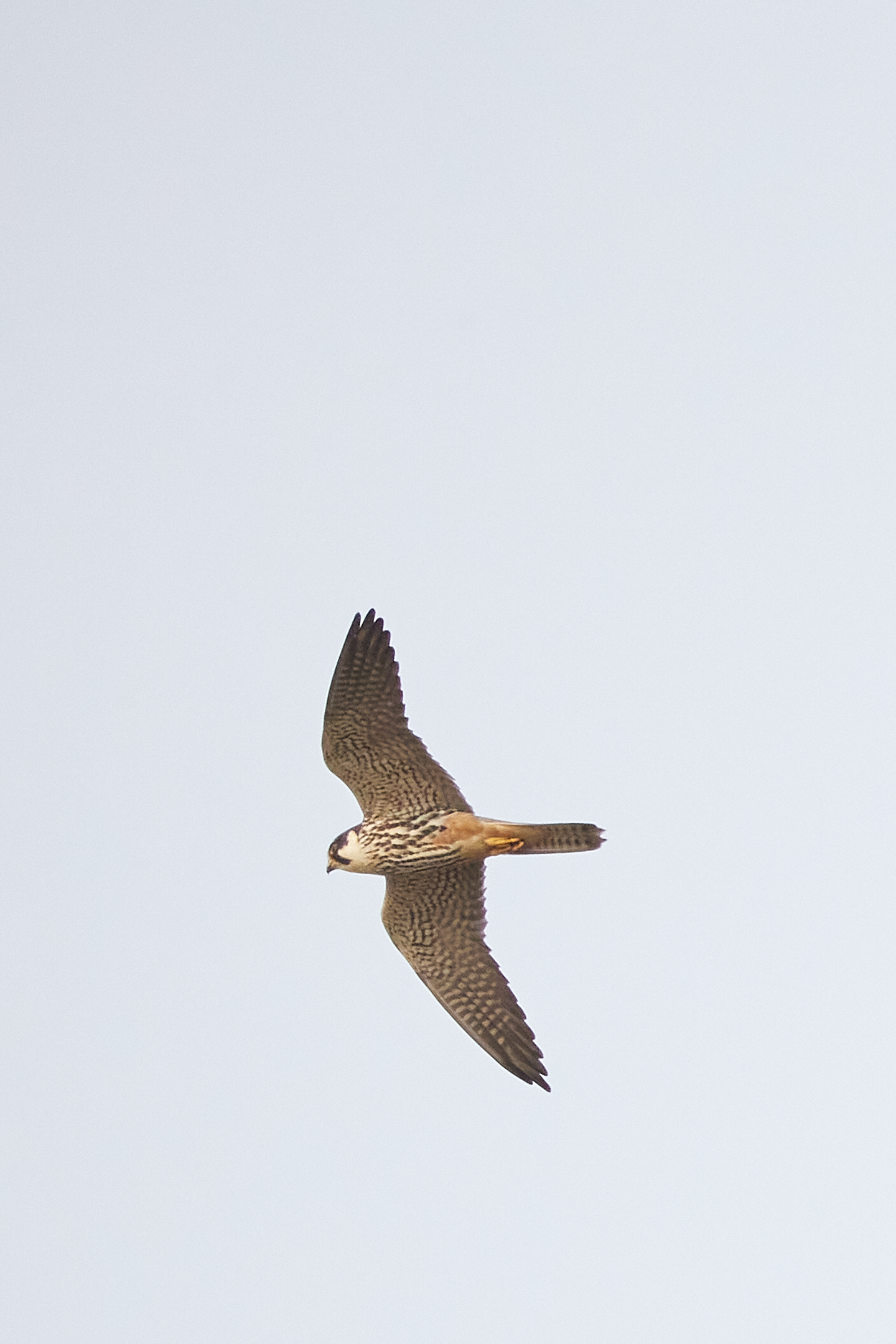
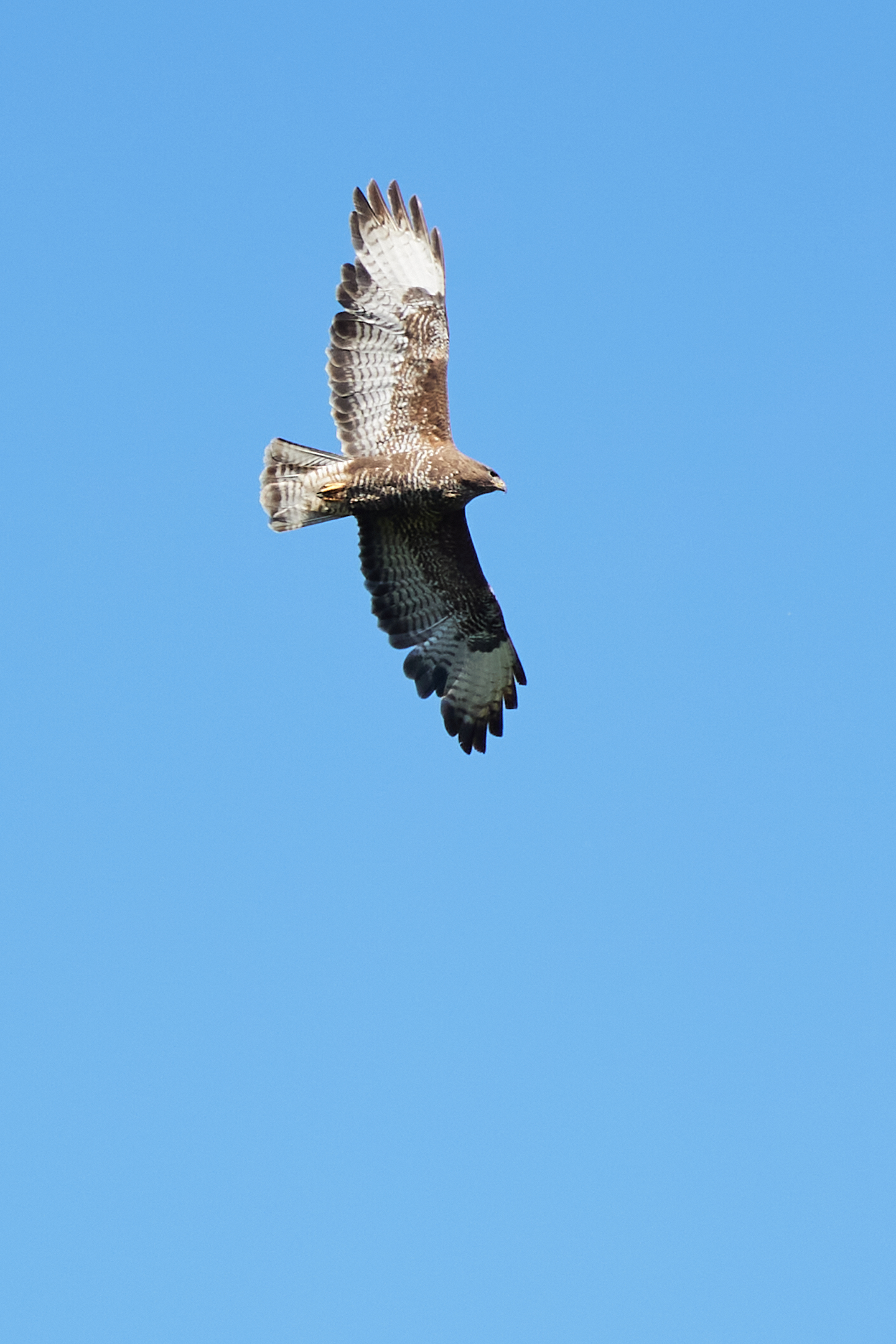
The birds of prey, the Accipitriformes (the owls) and the Falconiformes (originally the falcons) are almost all carnivorous. Some birds of prey like the falcon, at a speed of 320 km/h the fastest animal, pick, or rather pull, their prey from the sky. Birds of prey hunt during the day and they are usually easy to spot during lunchhour and at the end of the afternoon. Characteristic of the bird of prey are sharp claws and curved beak. They have expressive and often penetrating eyes . They're solitary animals. Furthermore, as predators, they are important for the ecological balance. They often hunt old, sick and weak animals.
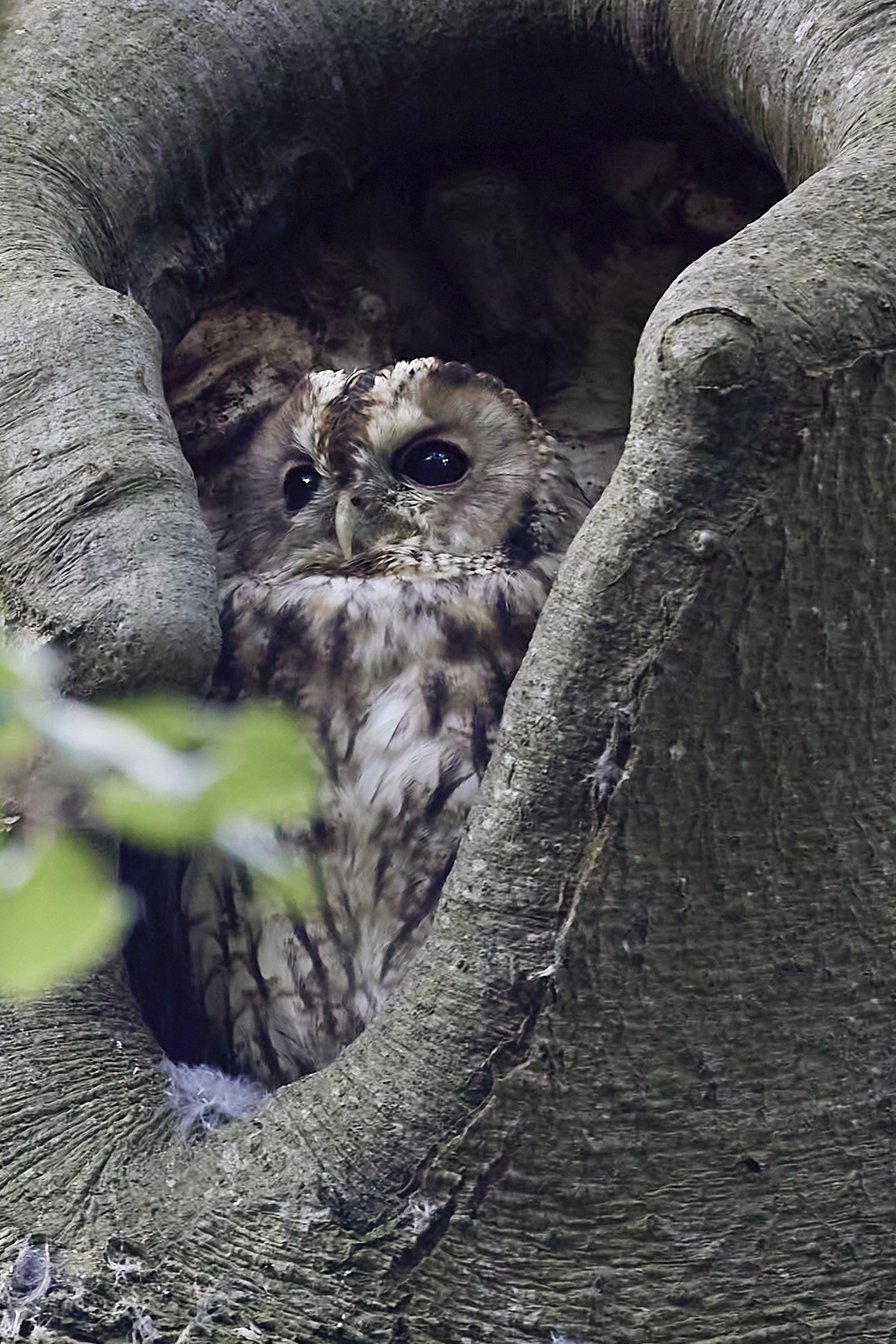
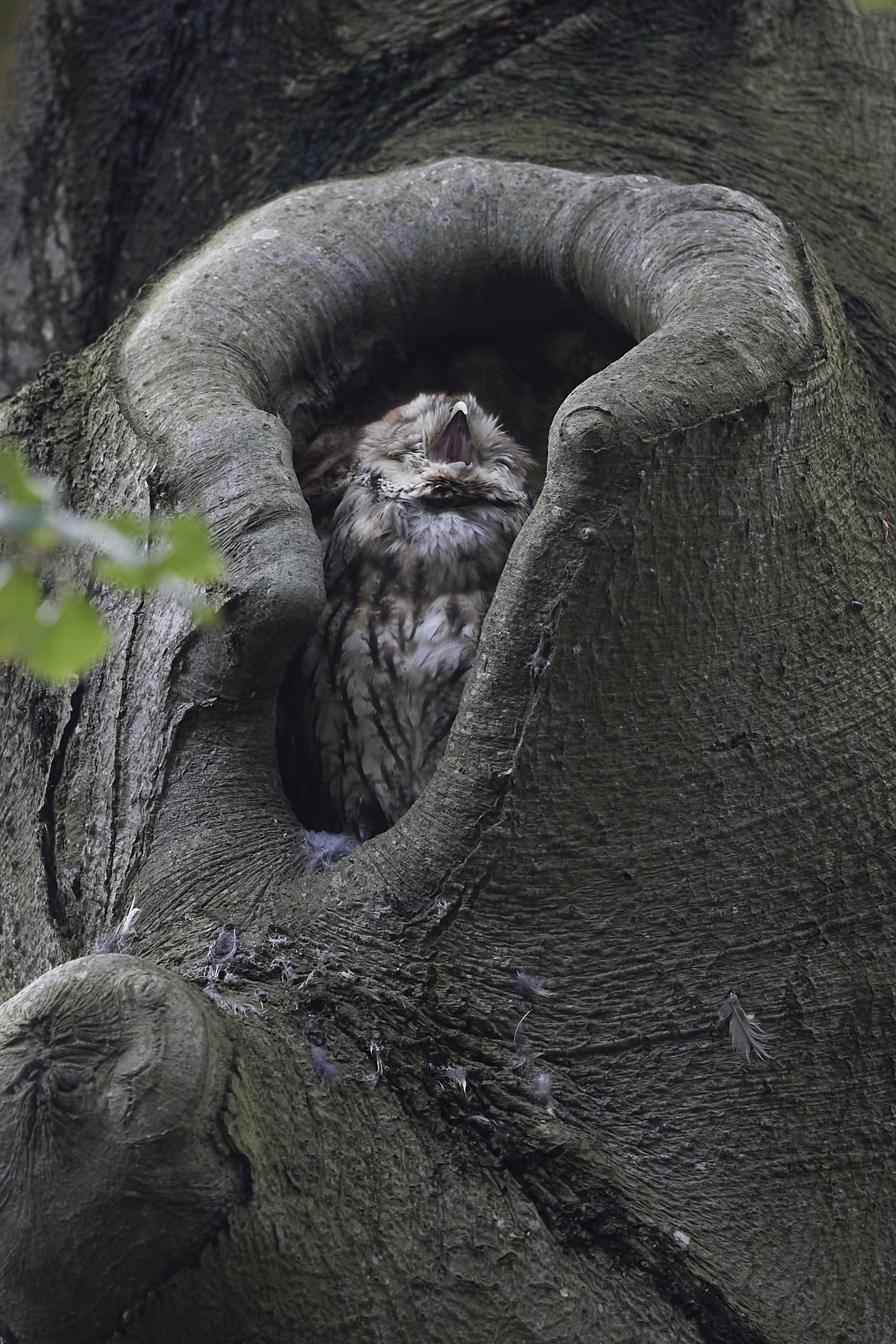
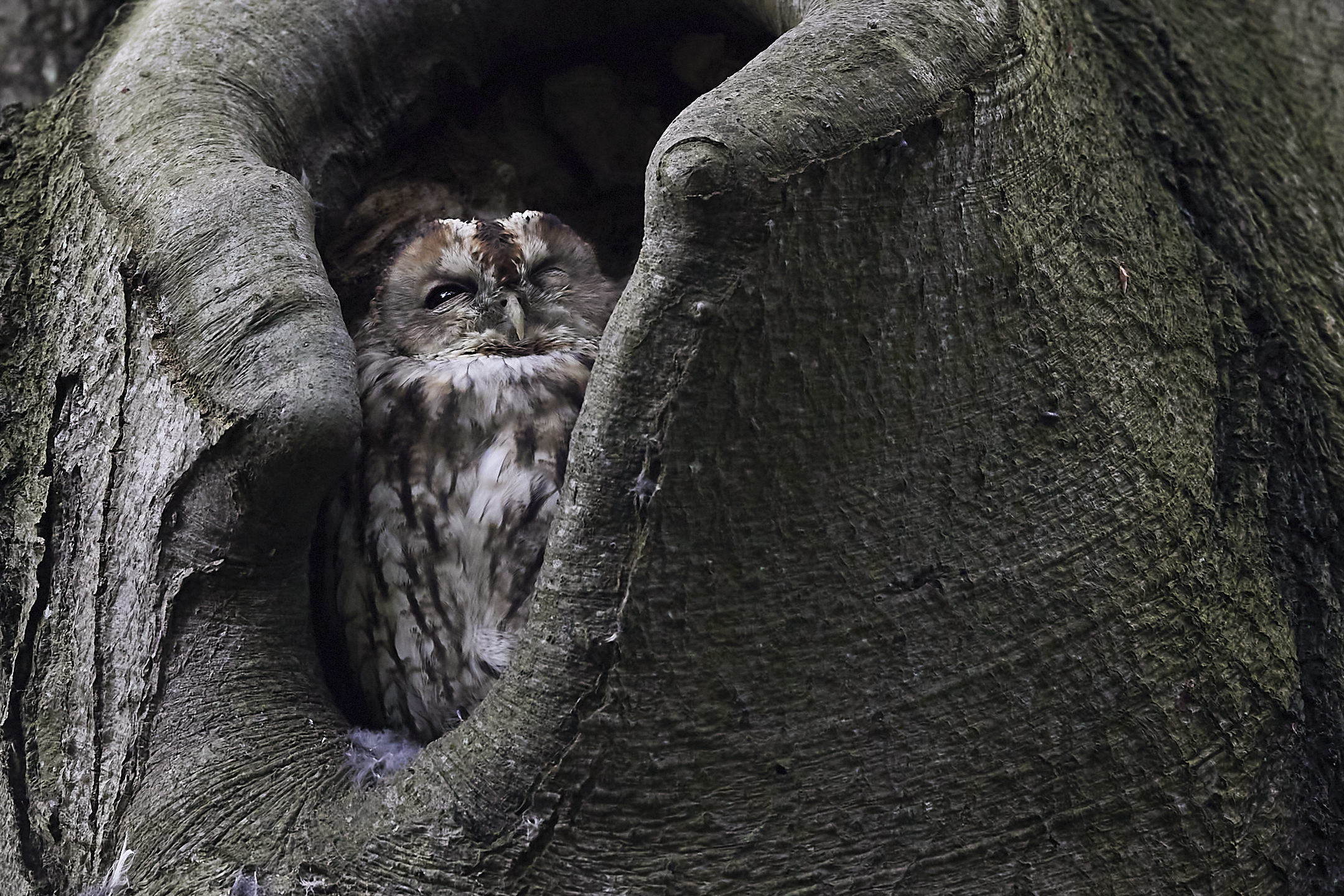
The tawny owl (Strix aluco) you can see on this page lives alone in a tree in a avenue with expensive villas. As a nightbird, he hunts rodents. When hunting, the owl falls silently from a branch and swallows its prey completely. When he is a city dweller, it also eats small birds. Furthermore, earthworms, large insects, amphibians, reptiles and even fish are part of it's diet. What the tawny owl doesn't digest it throws up like the strikking owl pelletss. Without a habitat of its own, the owl starves. The fact that it can spot its prey easily in the dark l is not due to its night vision, its retina is just as sensitive as that of man, but through its ears that sit asymmetrically on its head and it has a well developed sense of where a sound originates from. The owl is about forty centimeters long with a wingspan of about ninety centimeters and weighs 440 grams (male) to 550 grams (female). That makes it a medium-sized owl. Since the tawny owl is a nocturnal animal and lives in darkness, it is associated with (black) magic and is known as the companion of wizards and witches. Worse still, his big staring eyes and its well known sound have also associated the owl with the devil. His sharp senses, on the other hand, gave the tawny owl the predicate wise. The latter stems from the ancient Greek civilization around the city (and her Goddess) Athens. The dark symbolism of death is mainly an ancient Egyptian and Christian custom.
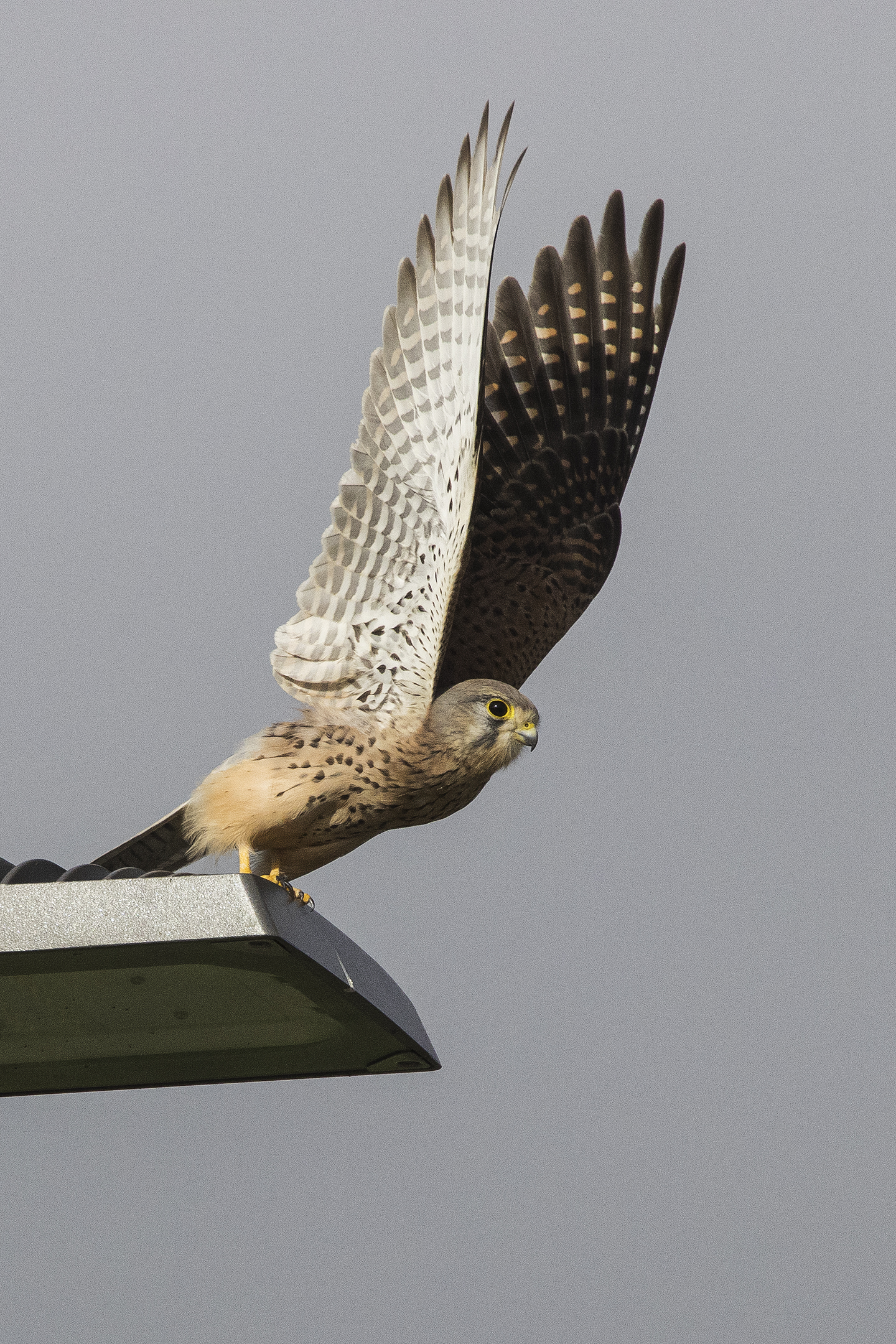
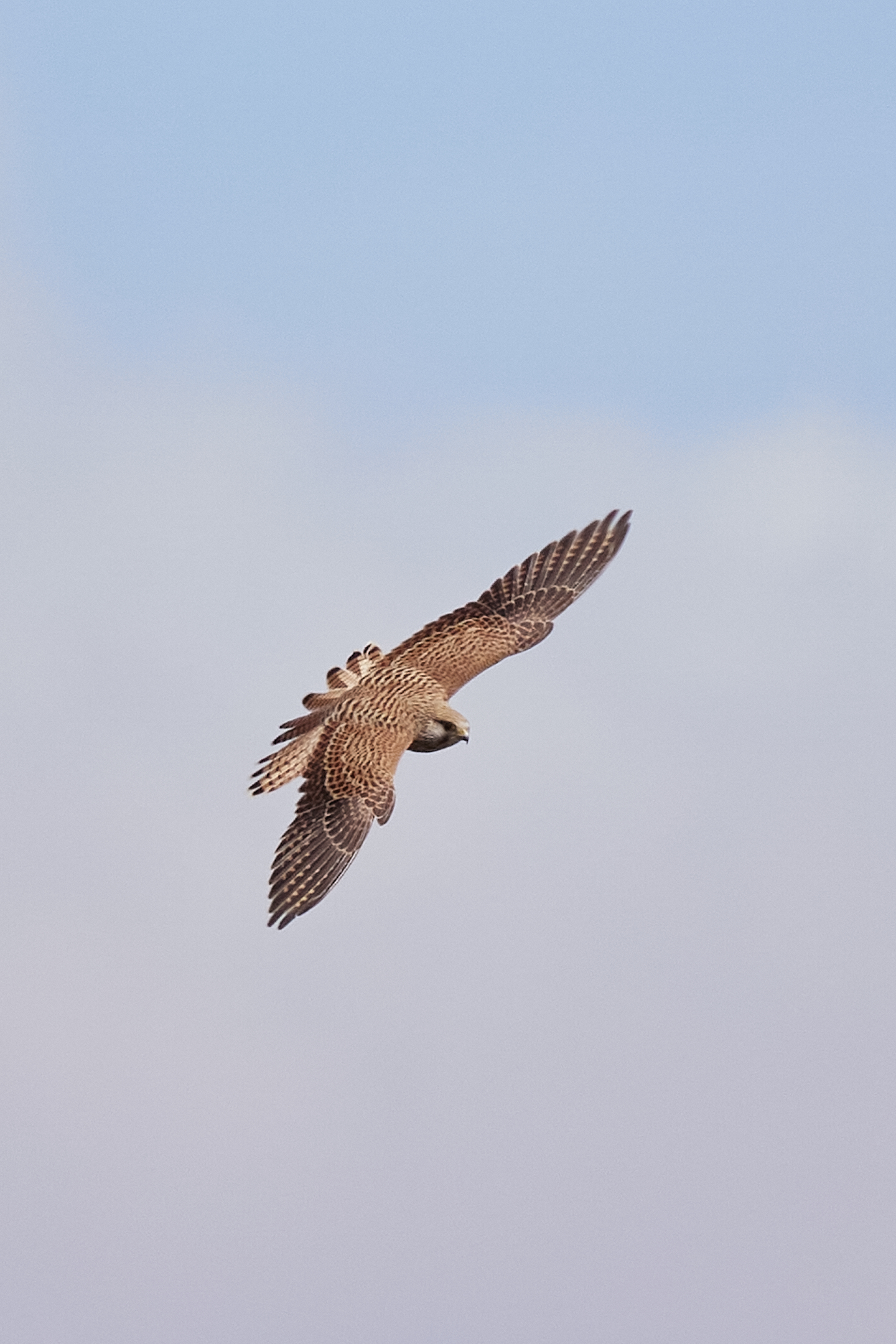
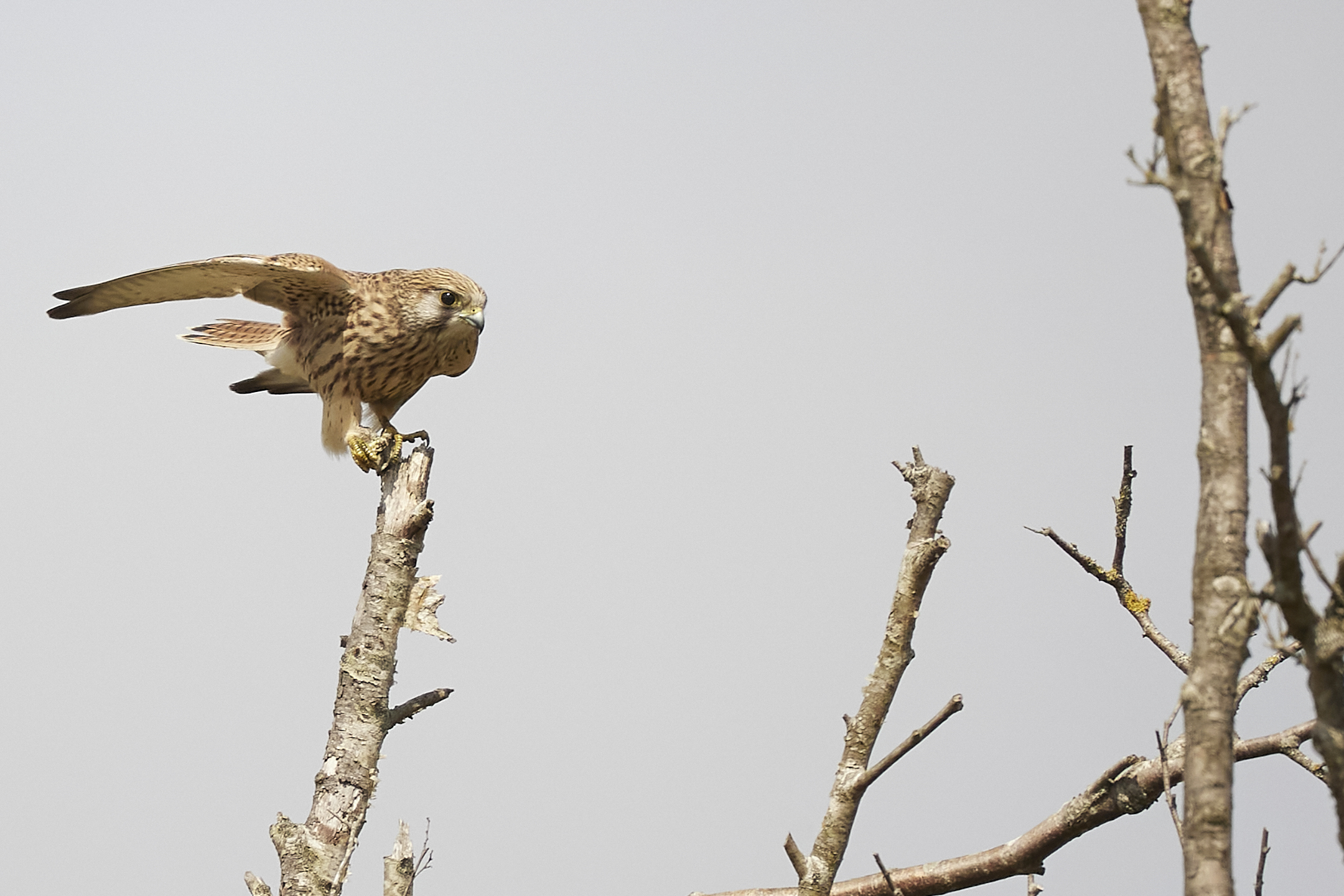
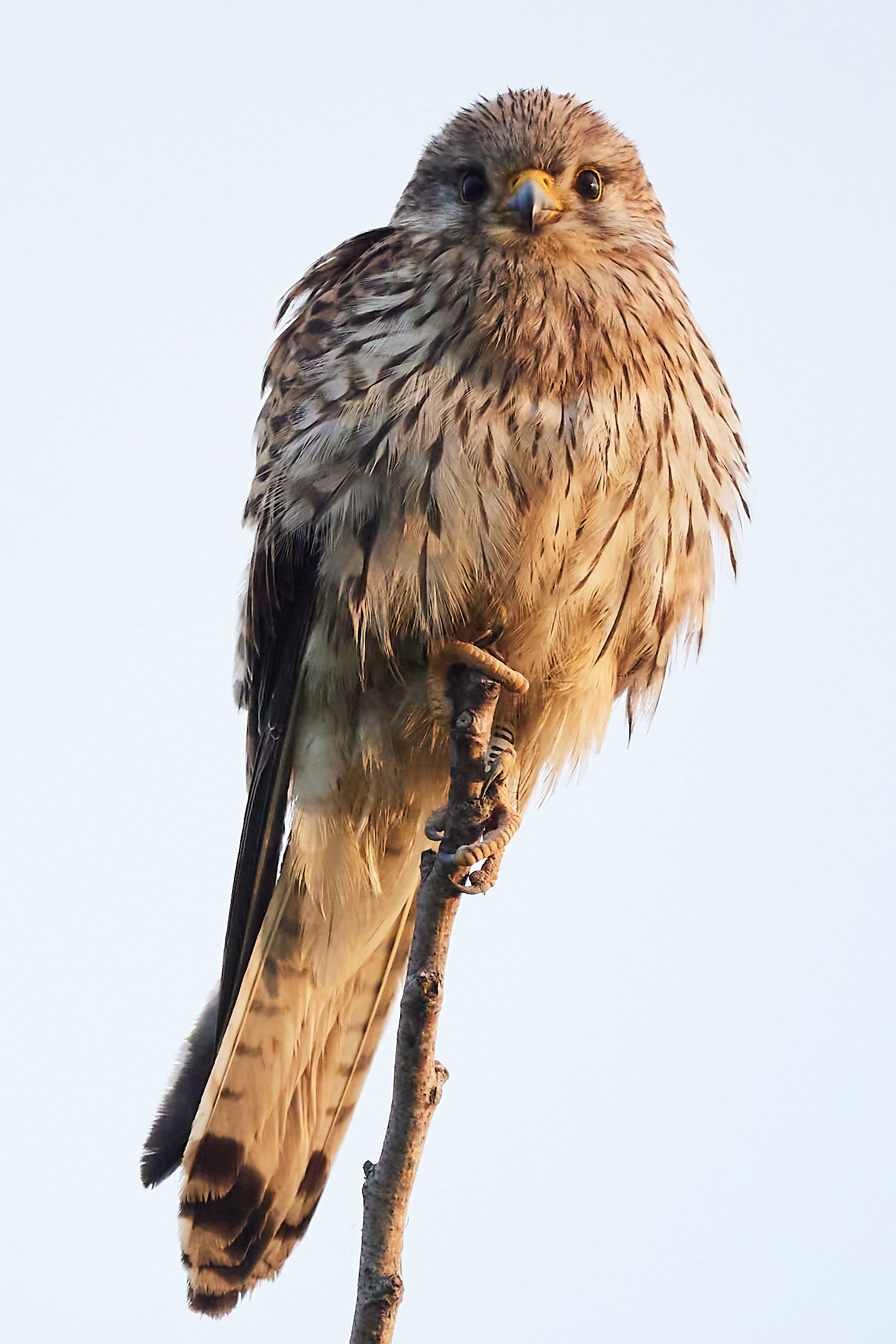
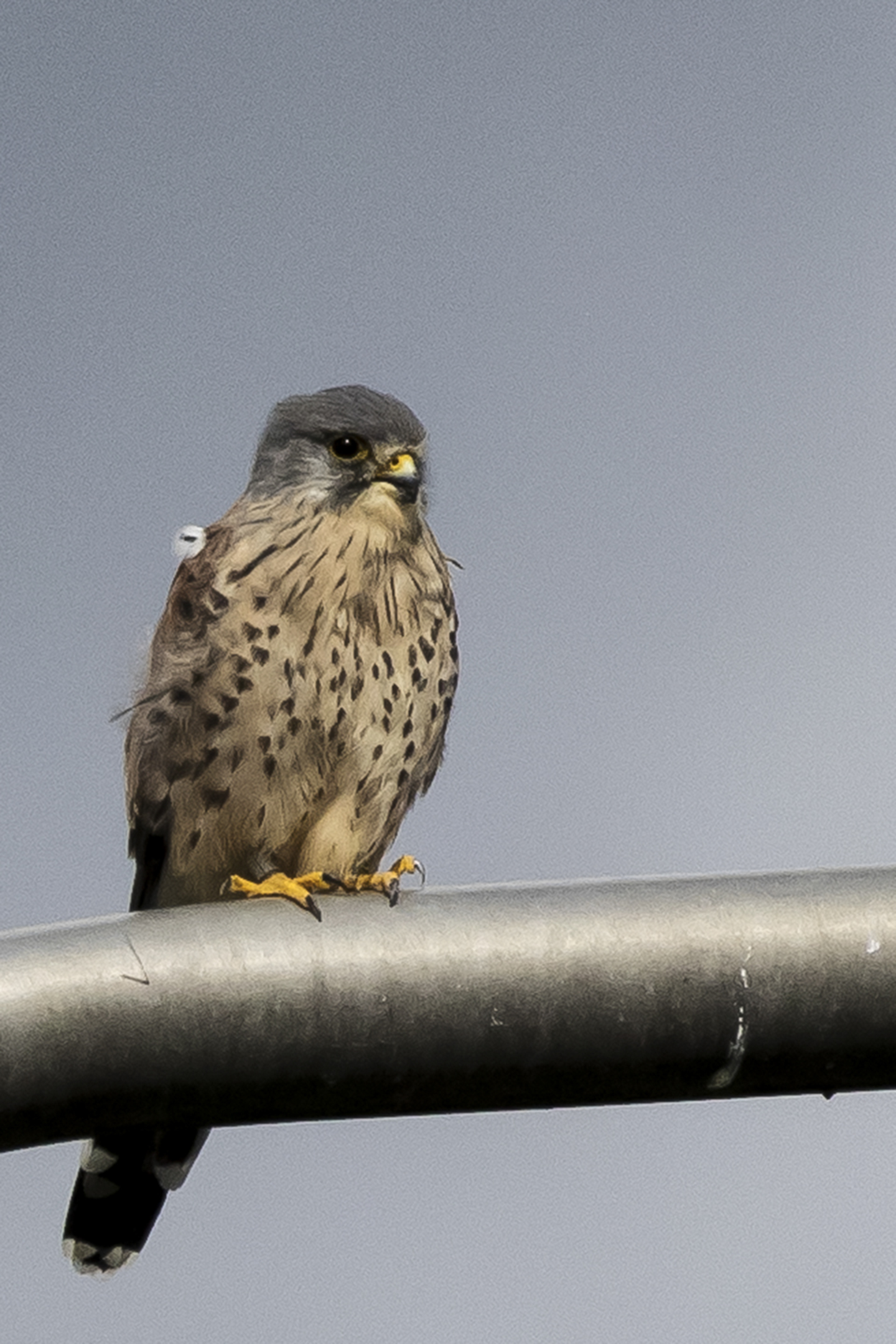
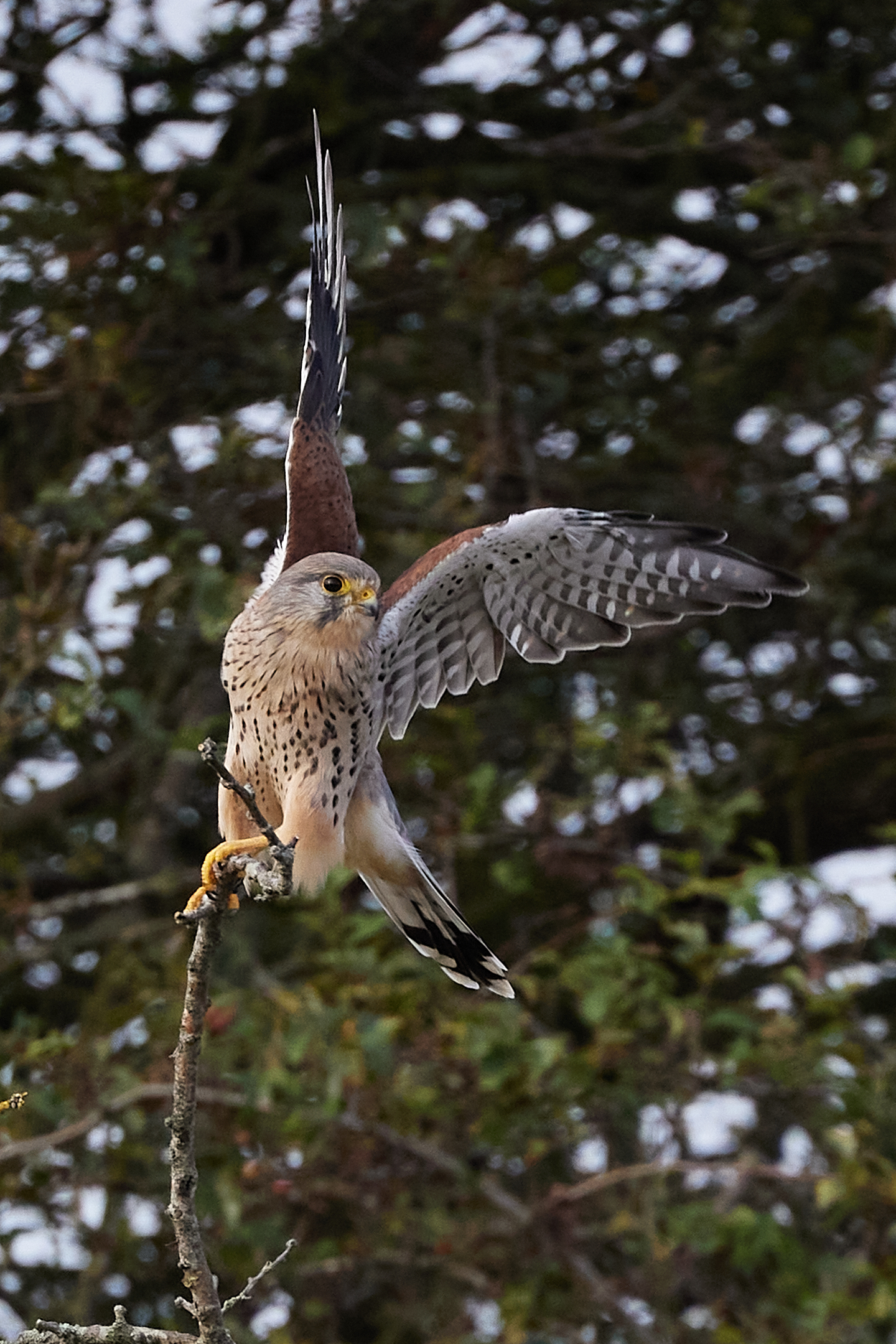
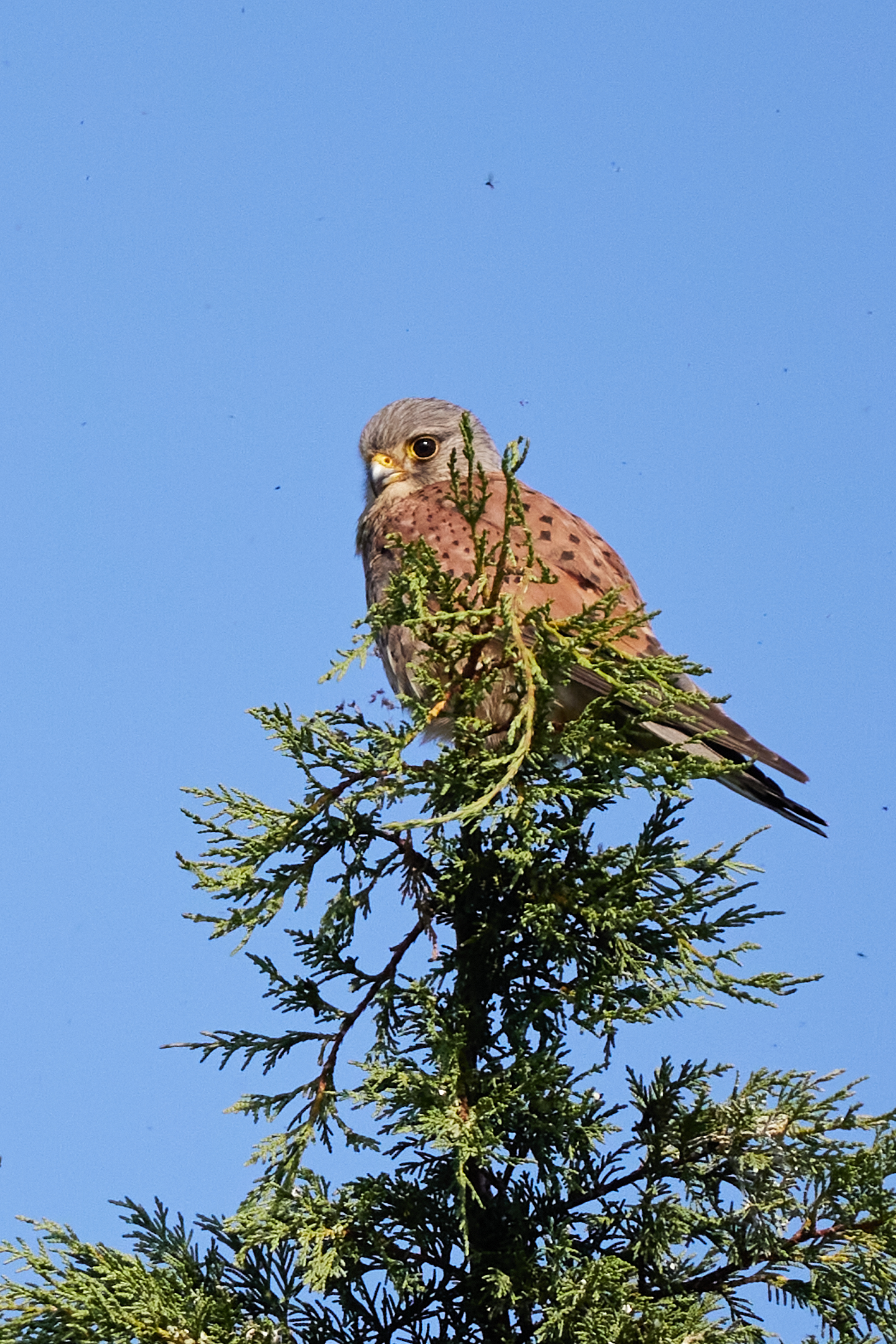
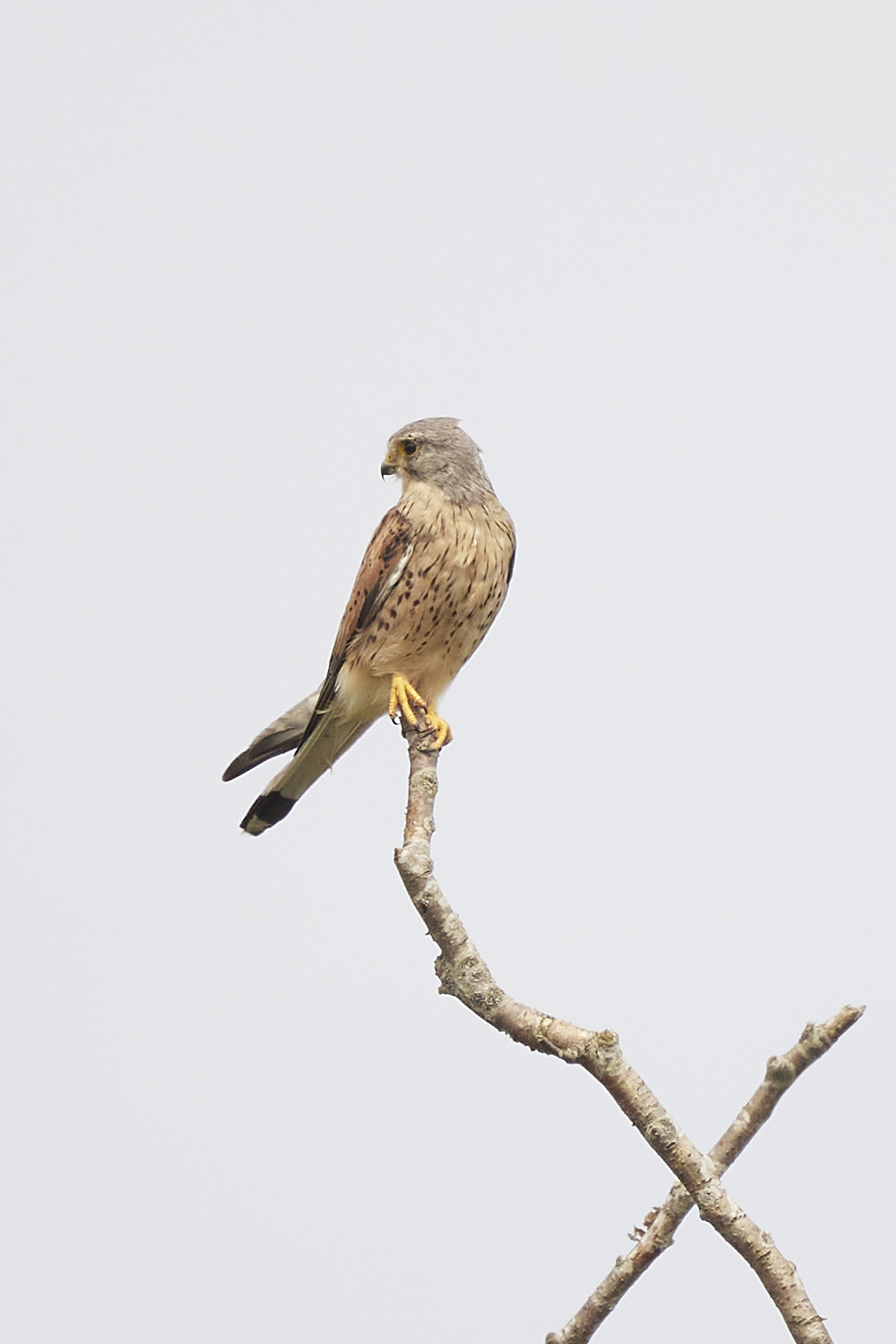
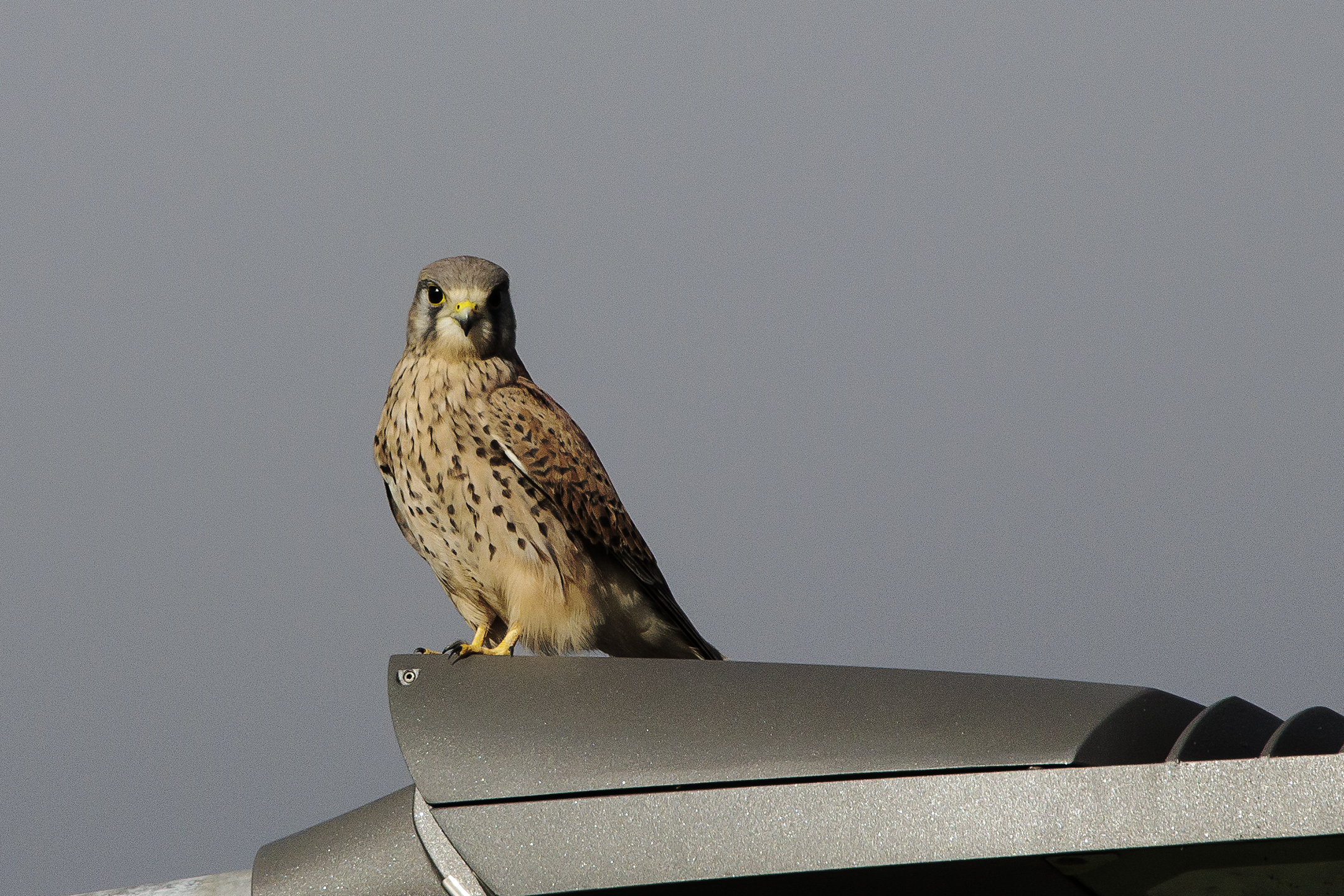
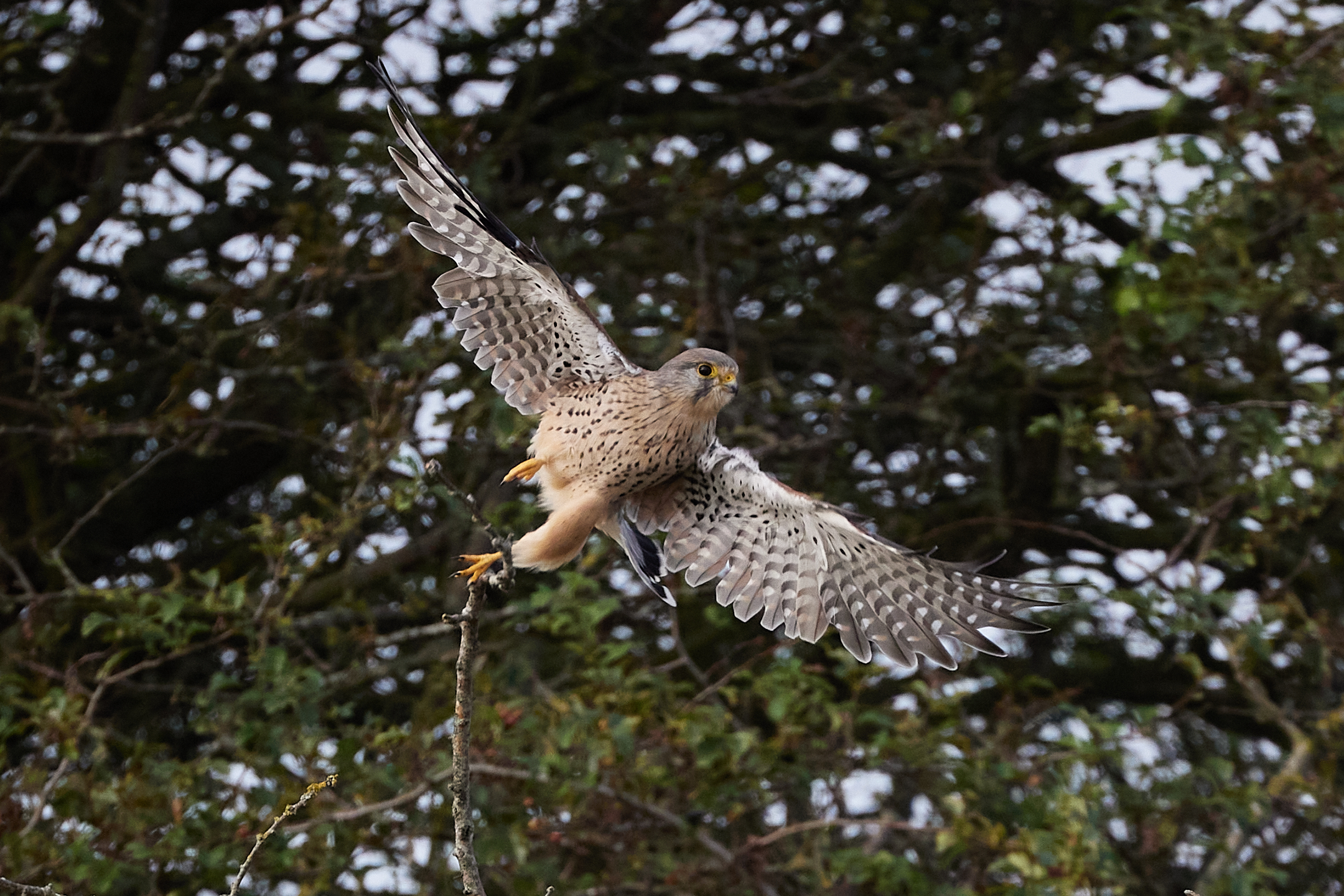
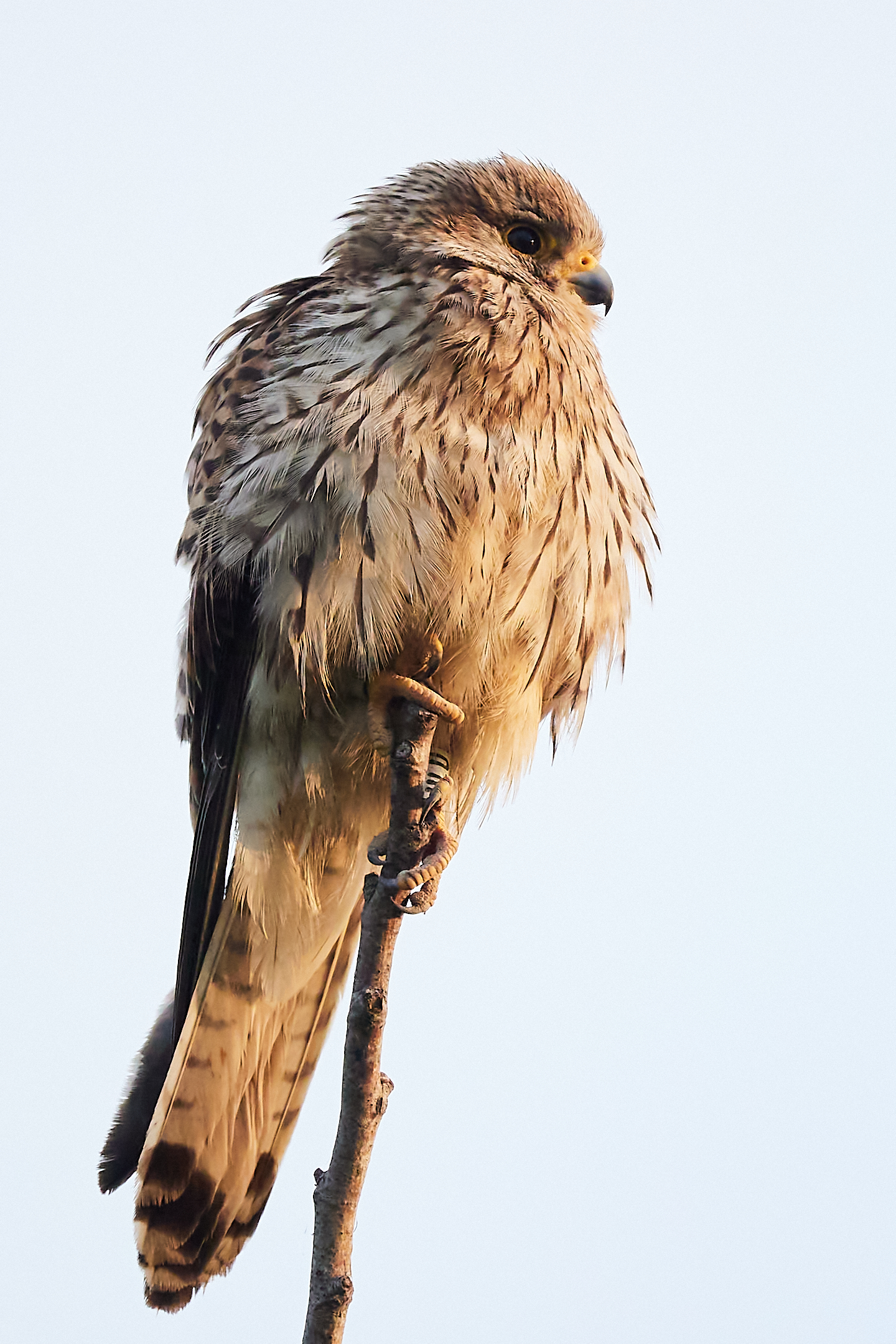
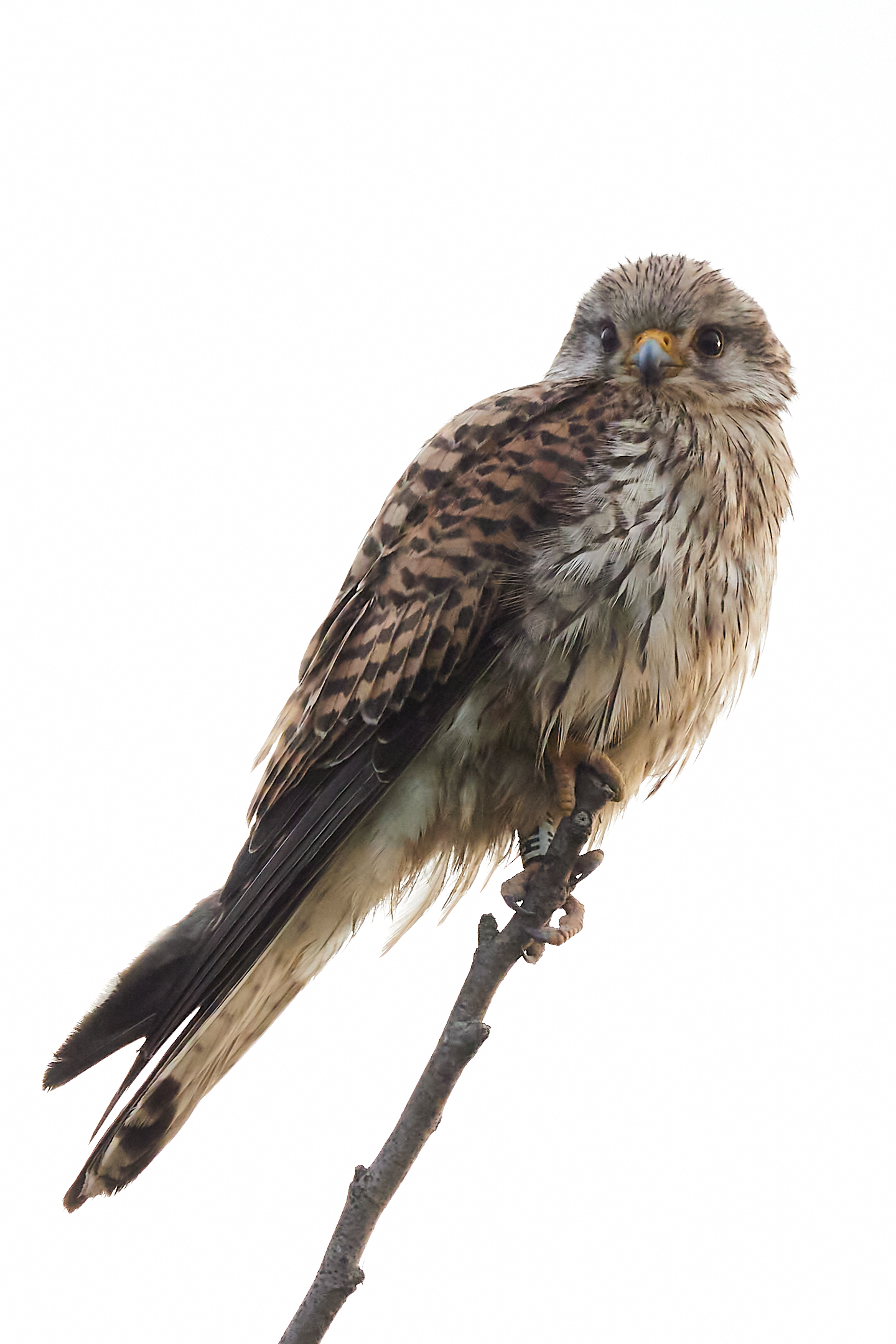
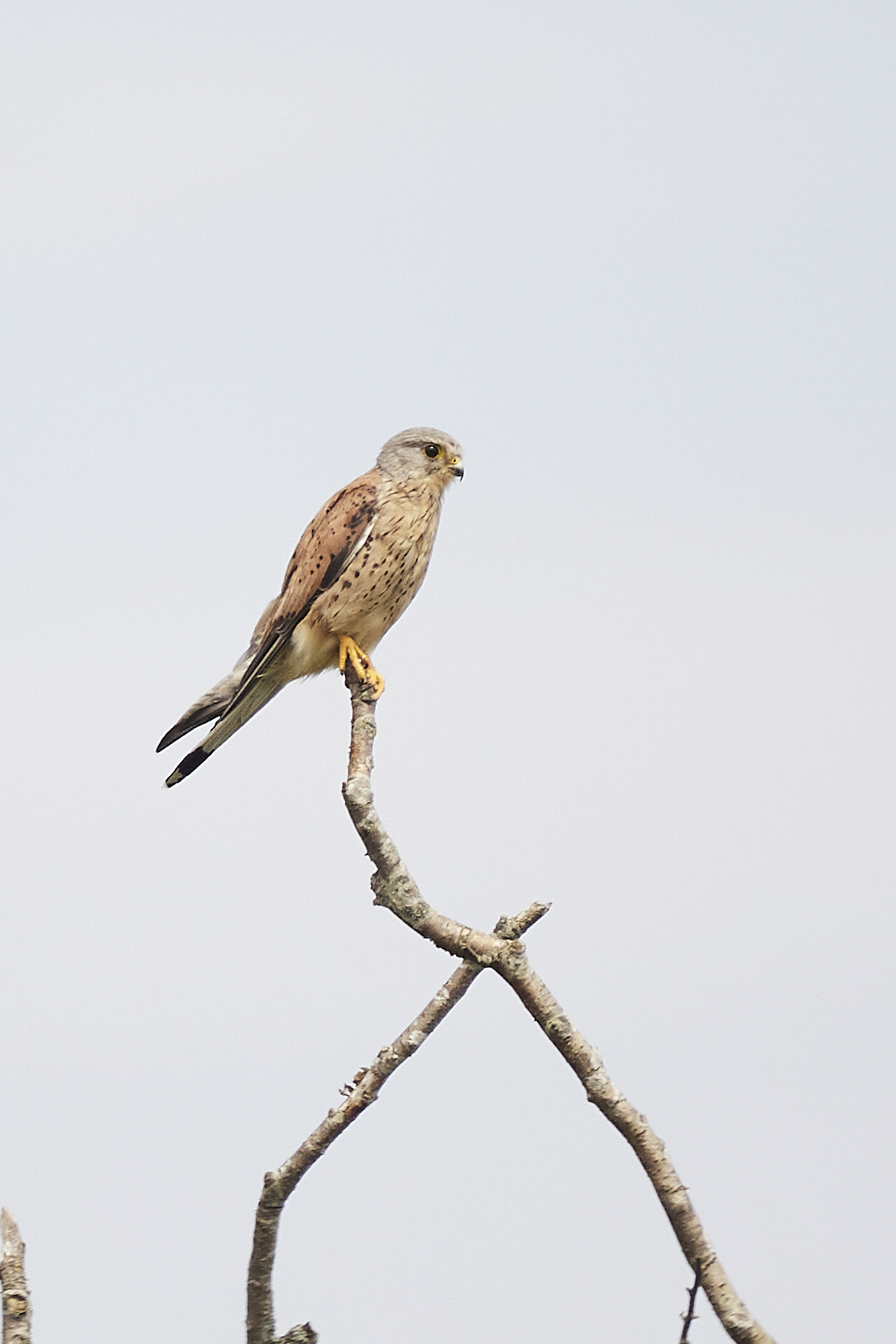
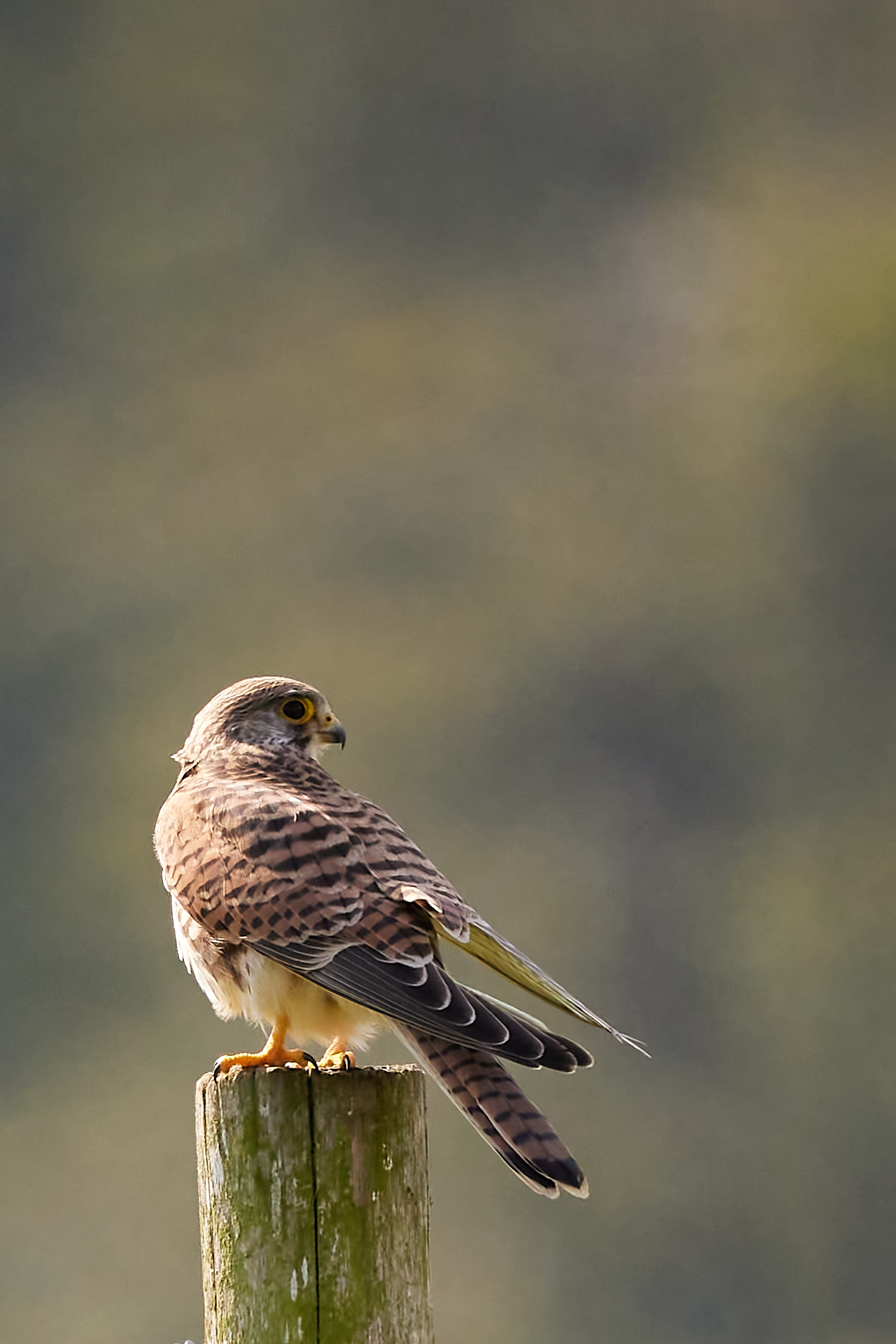
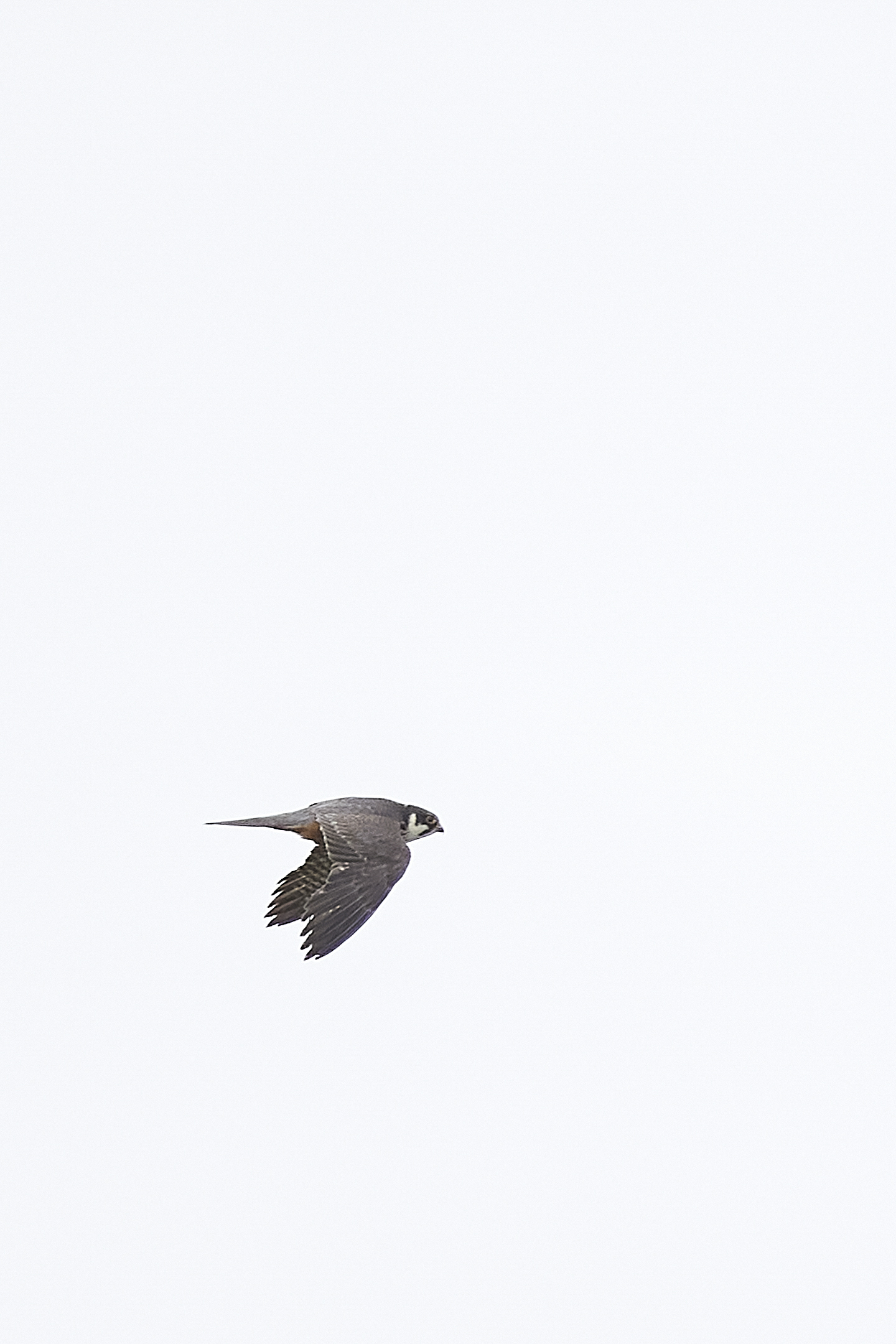
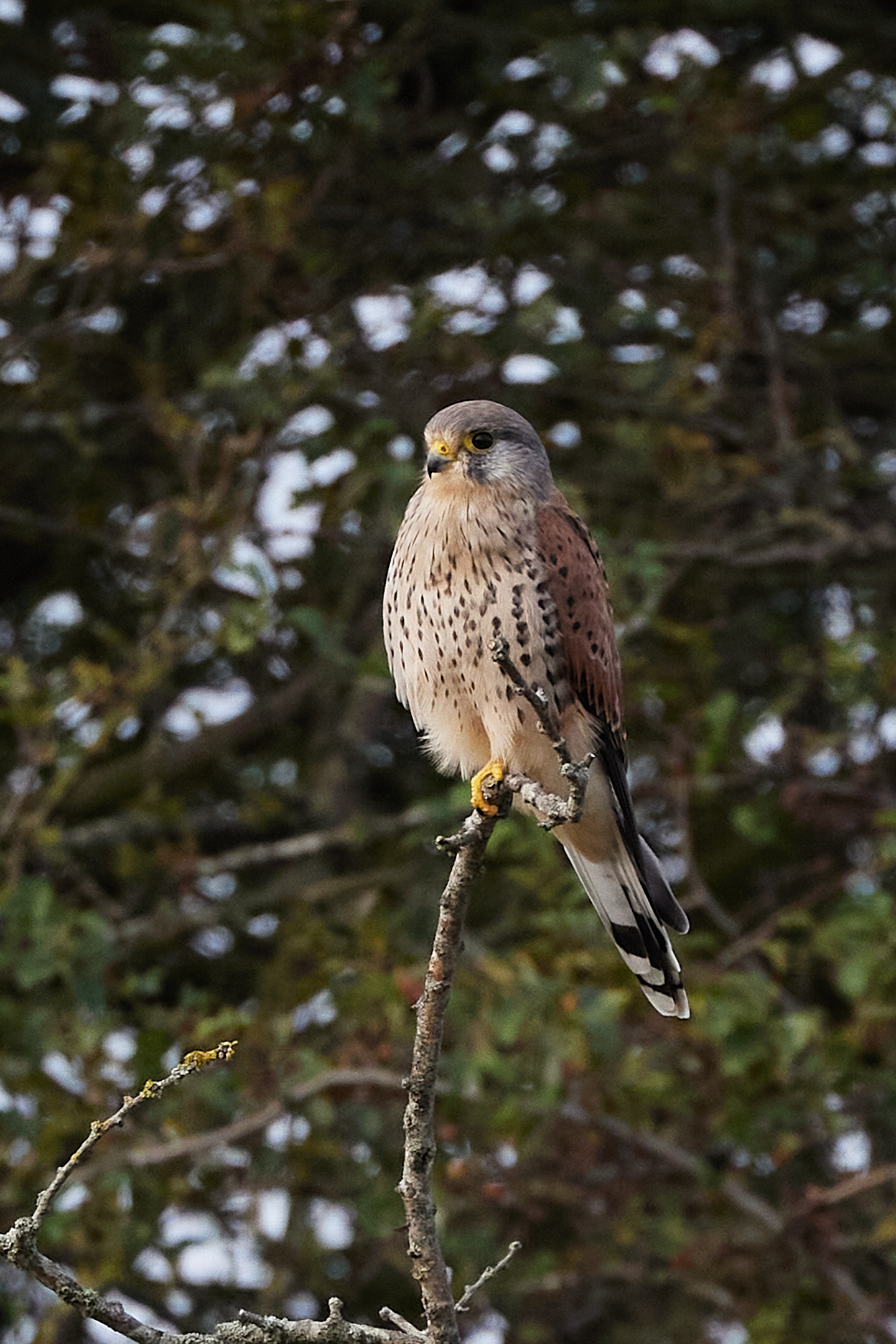
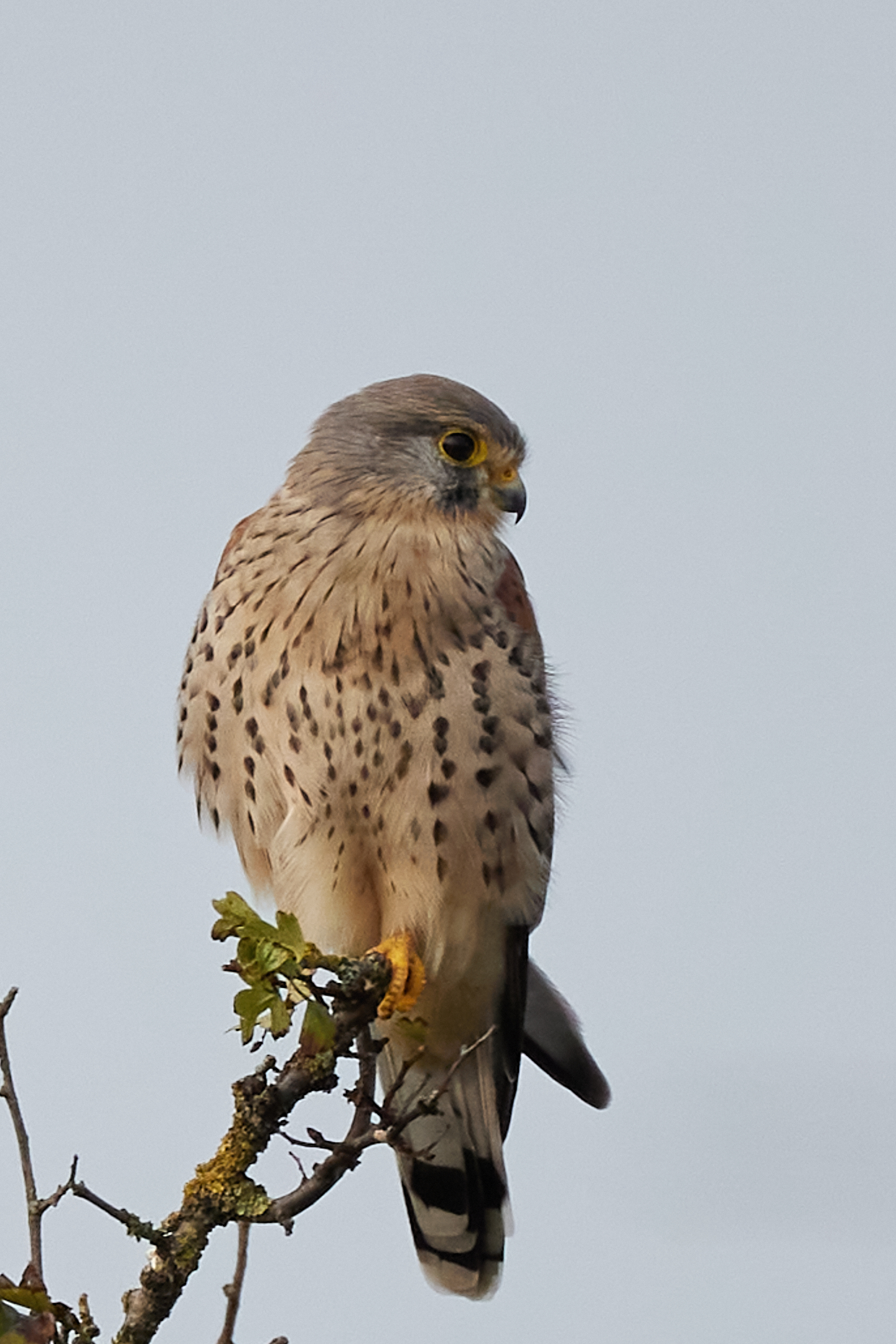
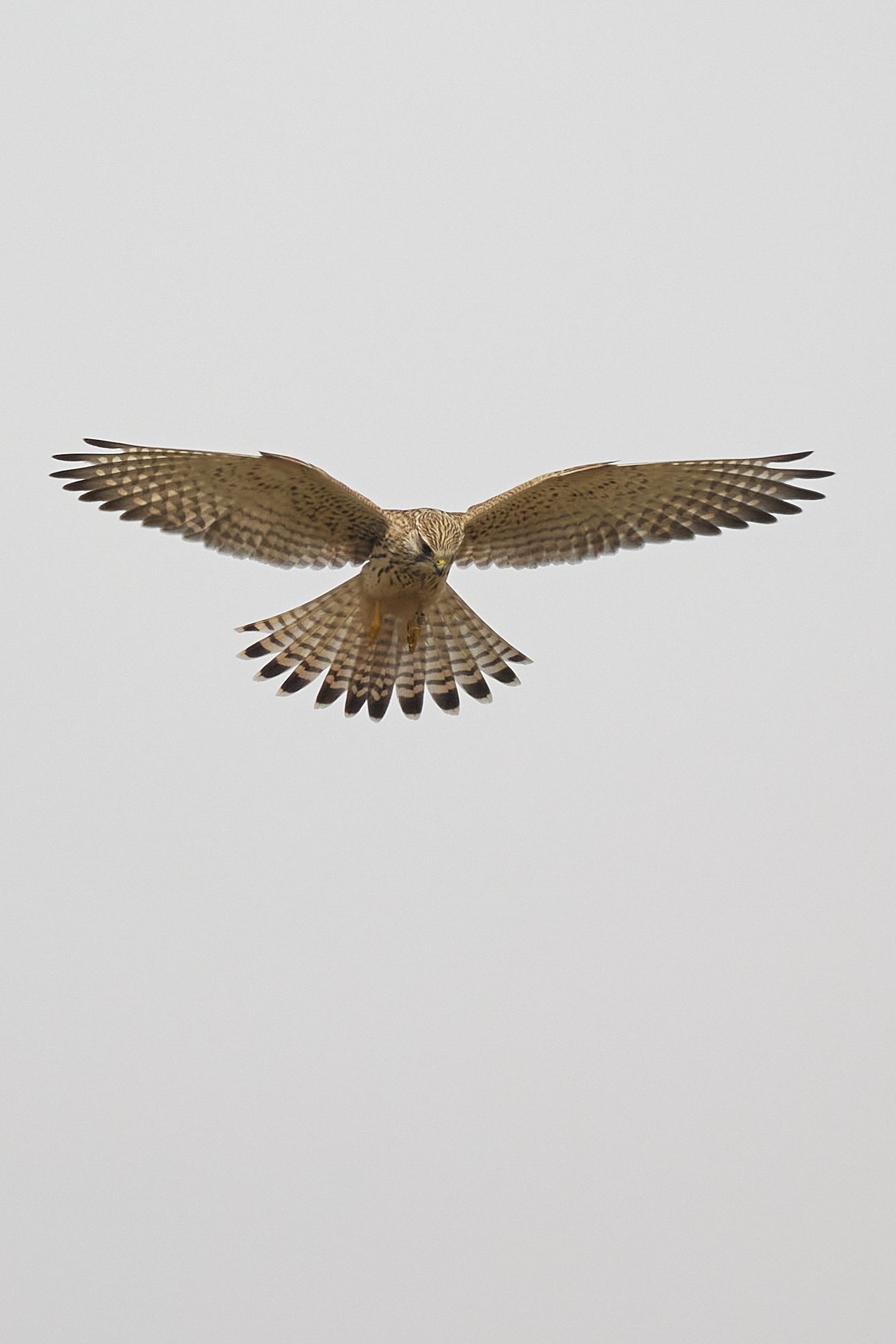
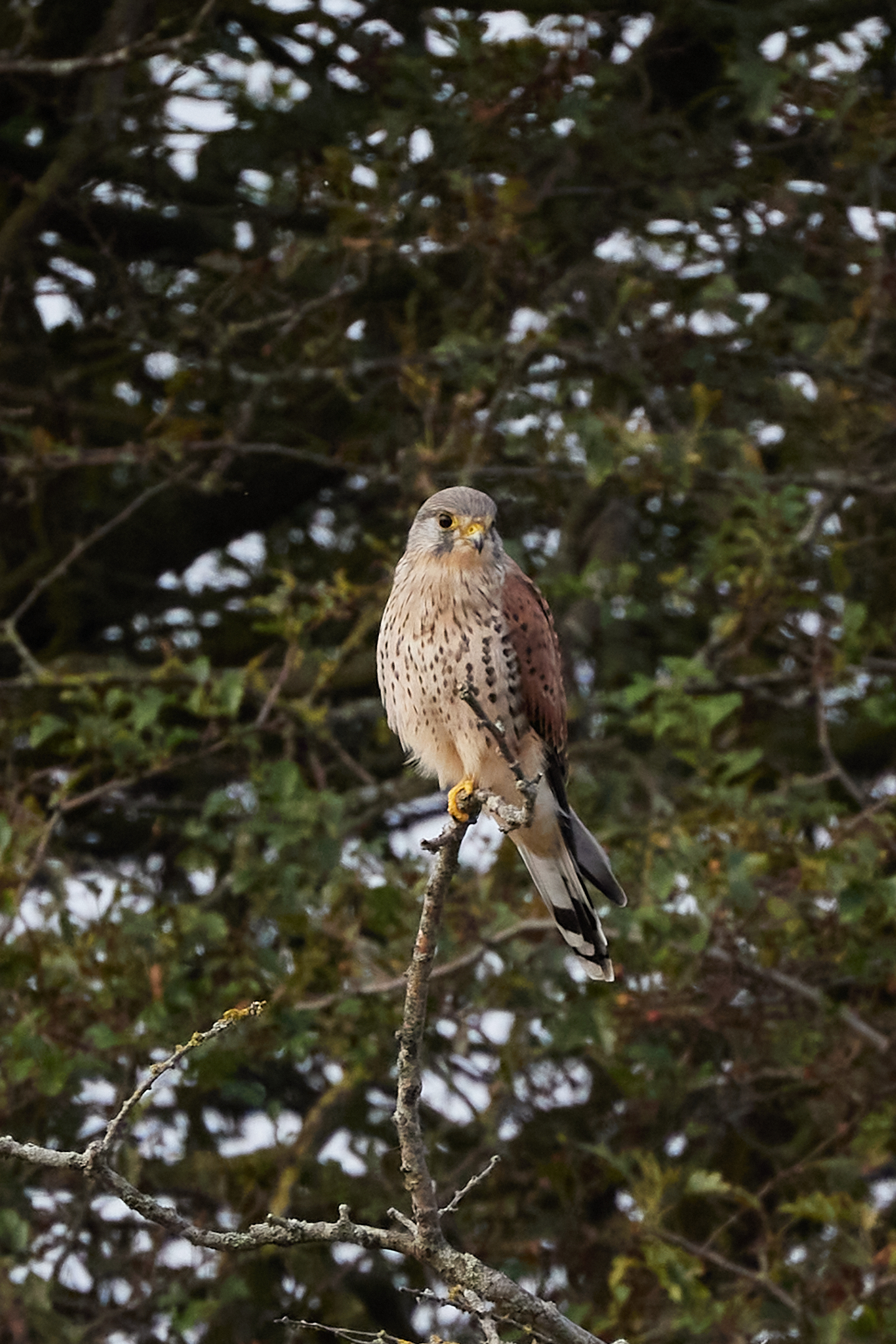
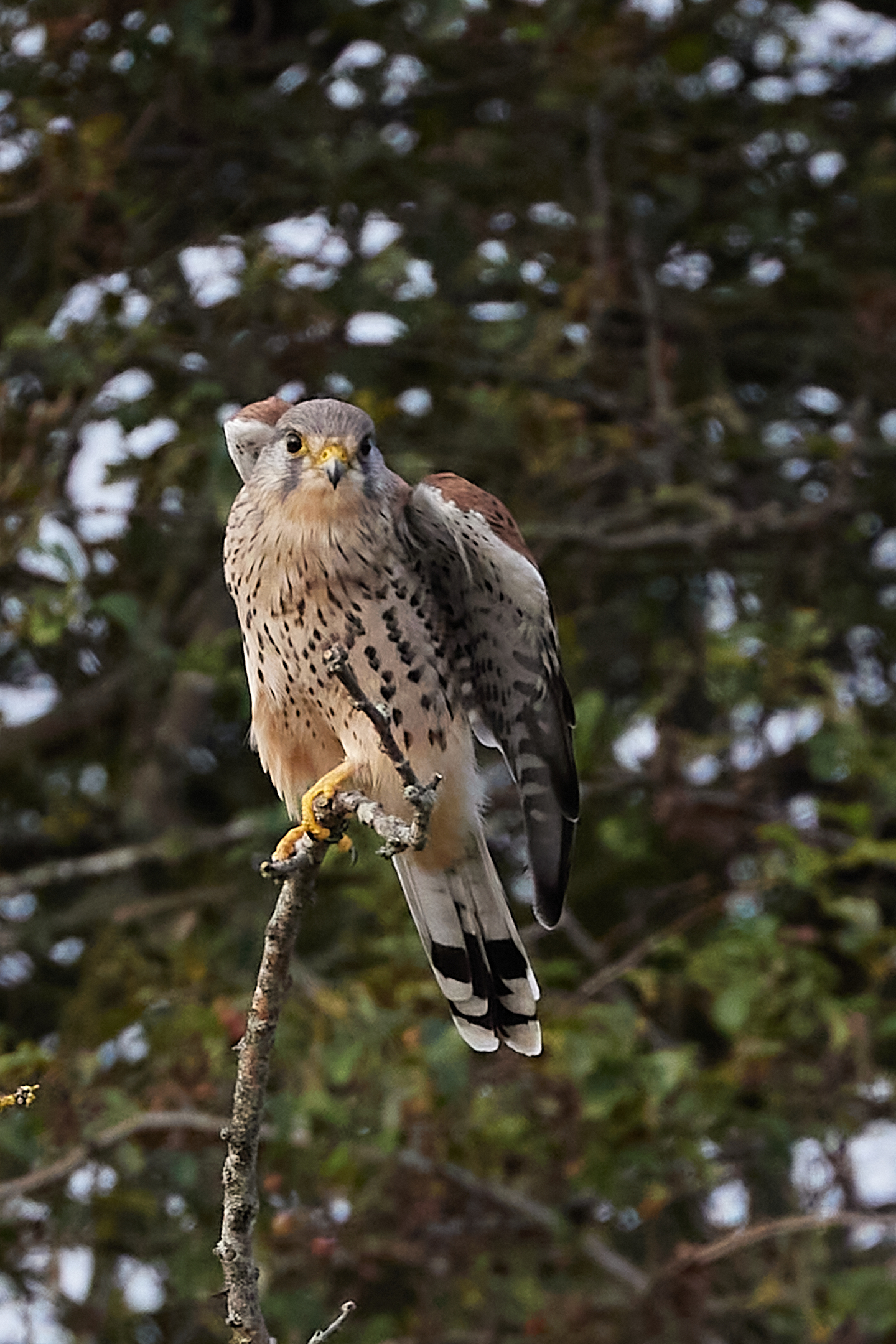
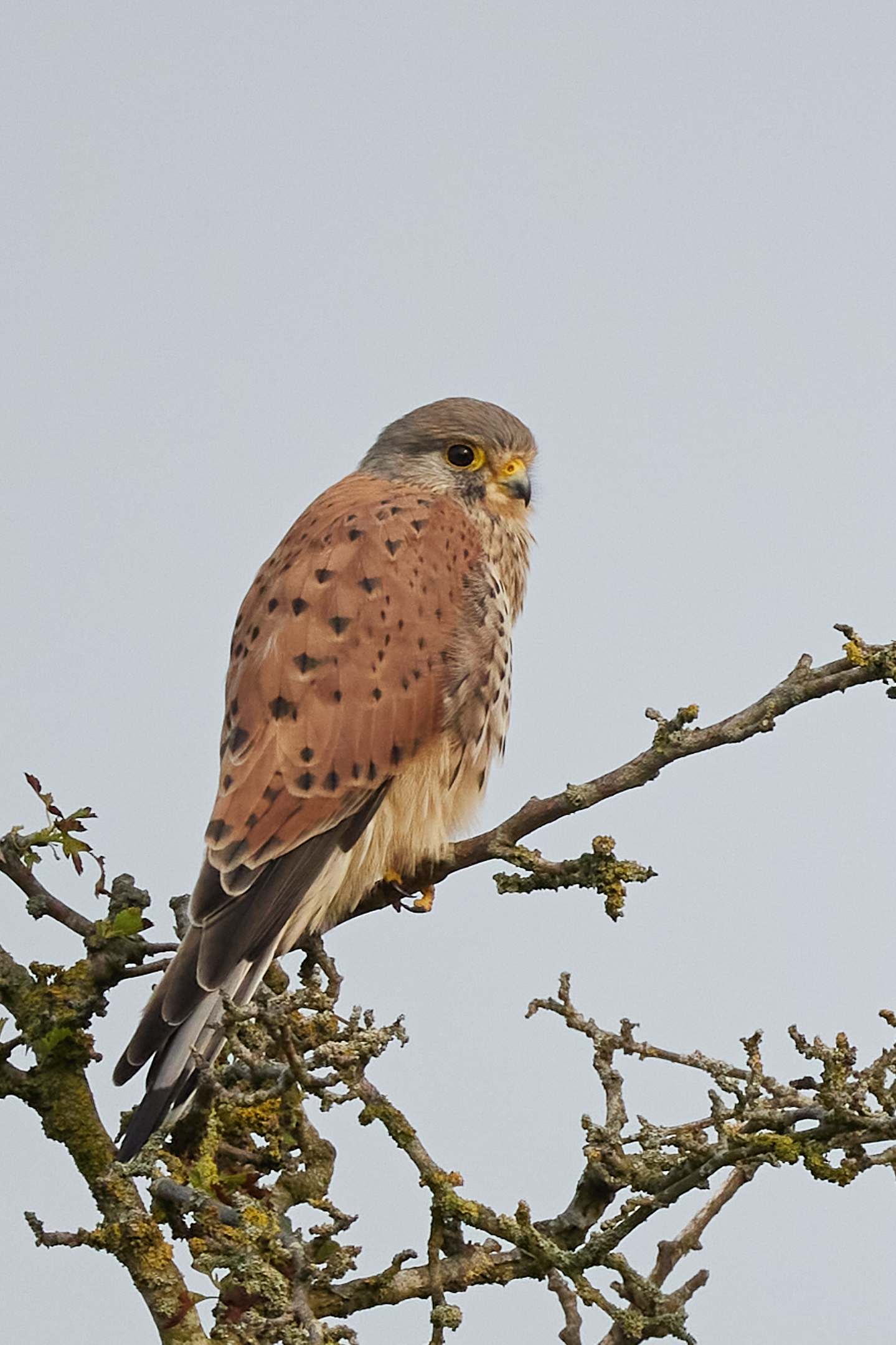
From the Falconidae family, the kestrel with its 3,800-7,700 breeding pairs in the Netherlands is next to the buzzard the most common bird of prey. However, this species is on the Red List of endangered species in the Netherlands. Since the nineties, the population of this beautiful animal has been halved. A common kestrel, Falco tinnunculus, is only about 35 centimeters large with a wingspan of between 65 and 80 centimeters. The female weighs about 190 to 280 grams, the male 180 to 230 grams. Common kestrel eats small mammals and birds smaller then itself such as pigeons. Insects, beetles and mice are also on the menu. Kestrels can detect urine traces of mice and track them down. The familiar praying, hanging in the air with spread wings, is their way of spotting their prey. They use abandoned crow's nests or nesting cabinets for their hatch, which consists of four to six eggs. After about a month the juvenile falcons leave the nest to reproduce themselves after nine months.
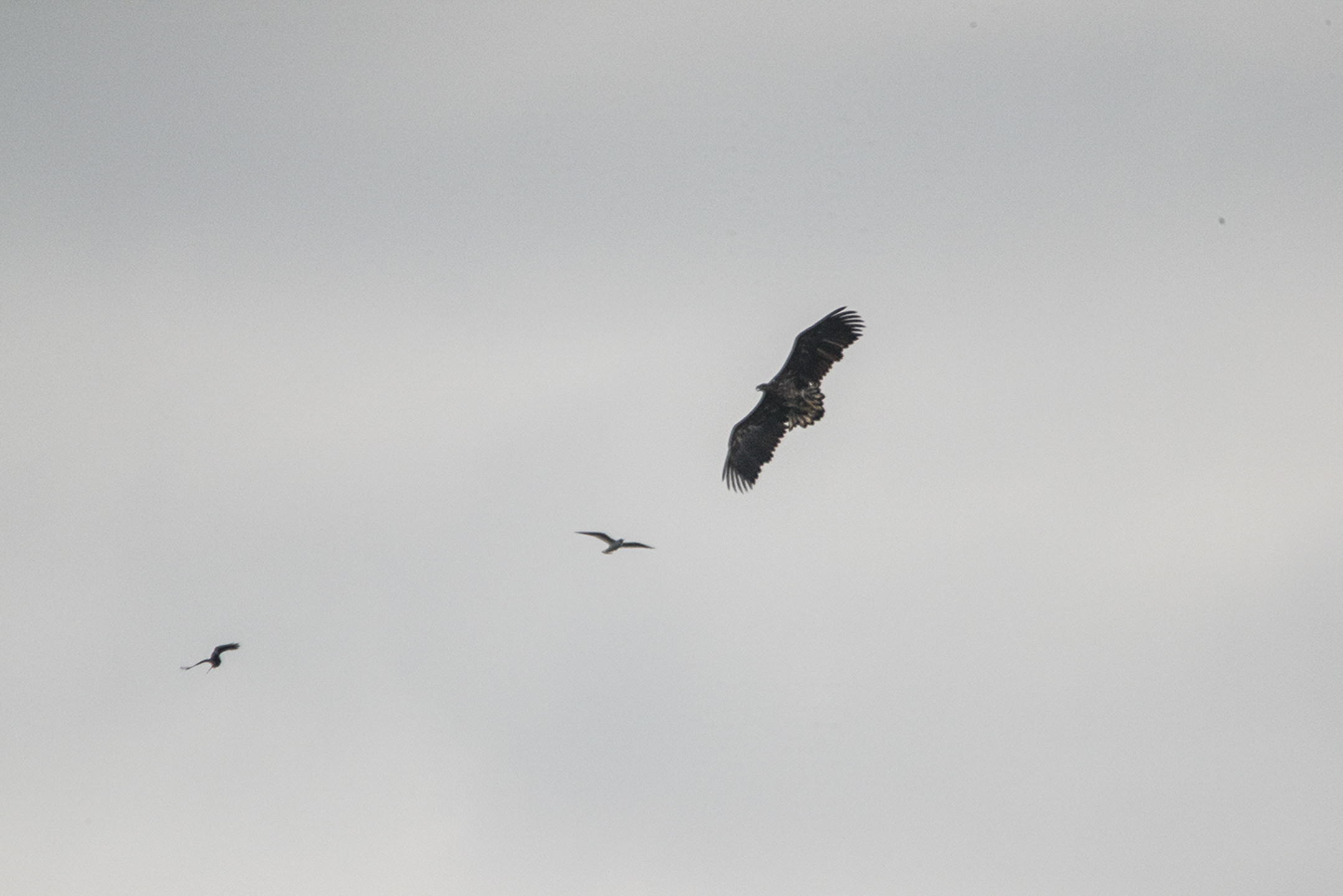
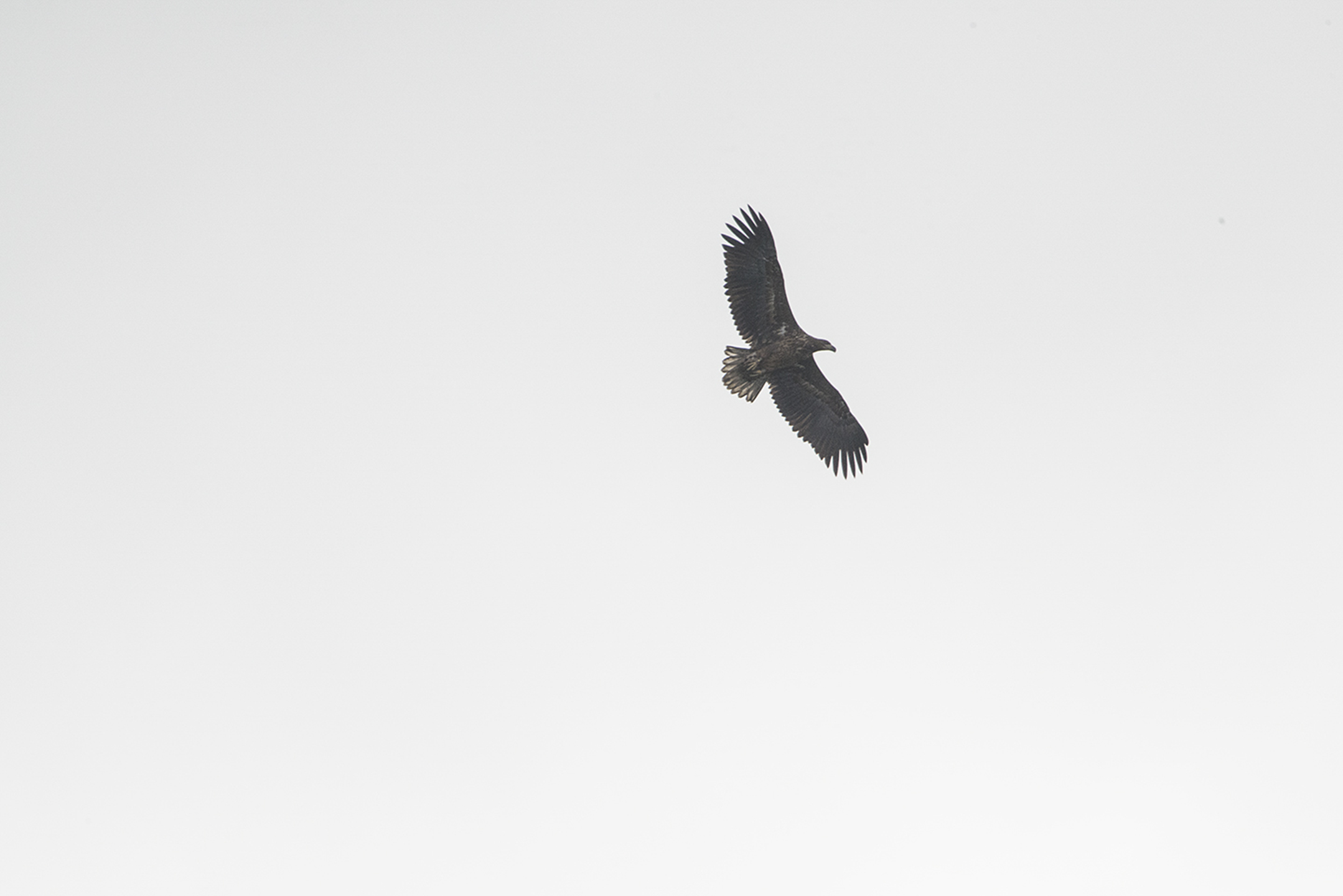
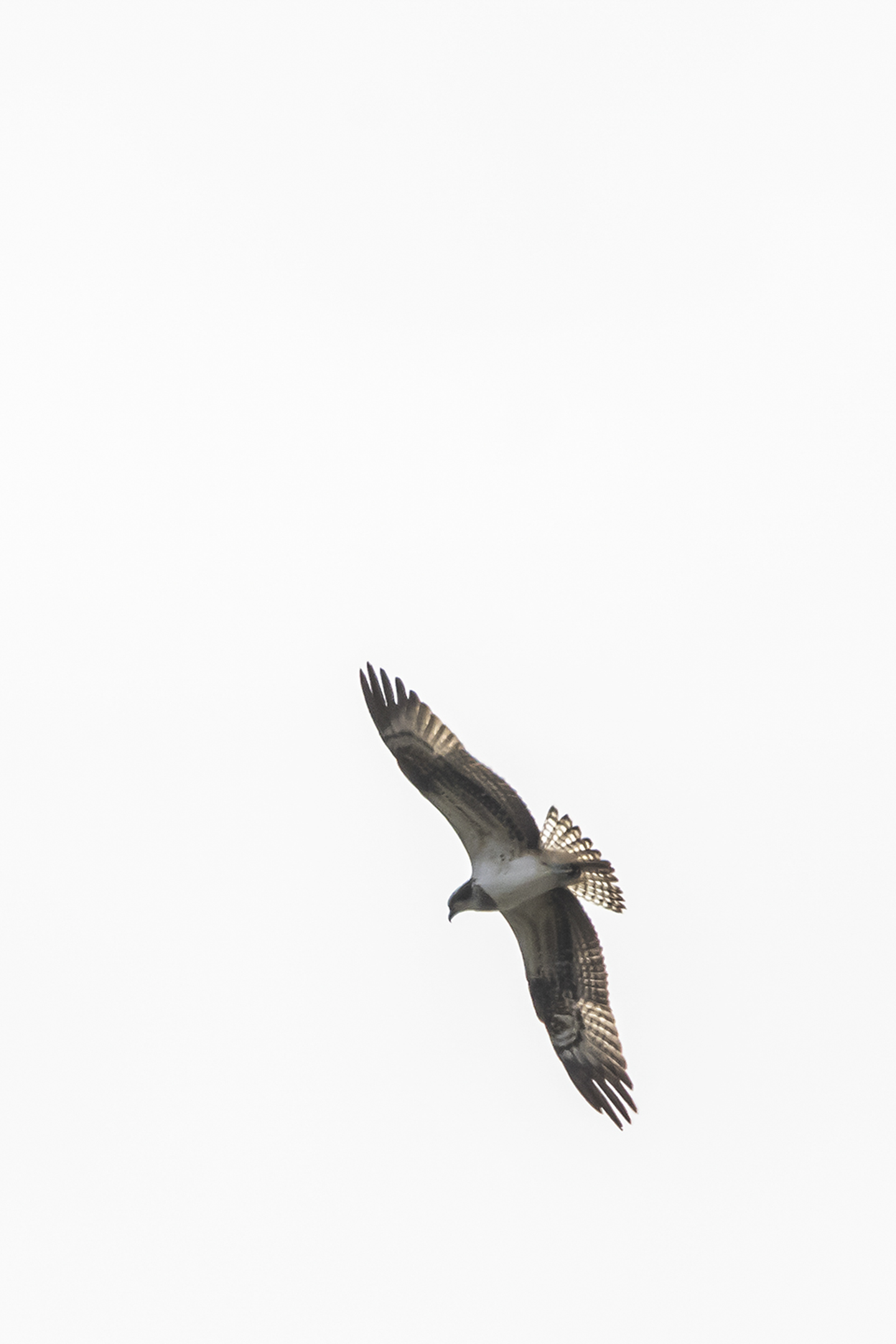
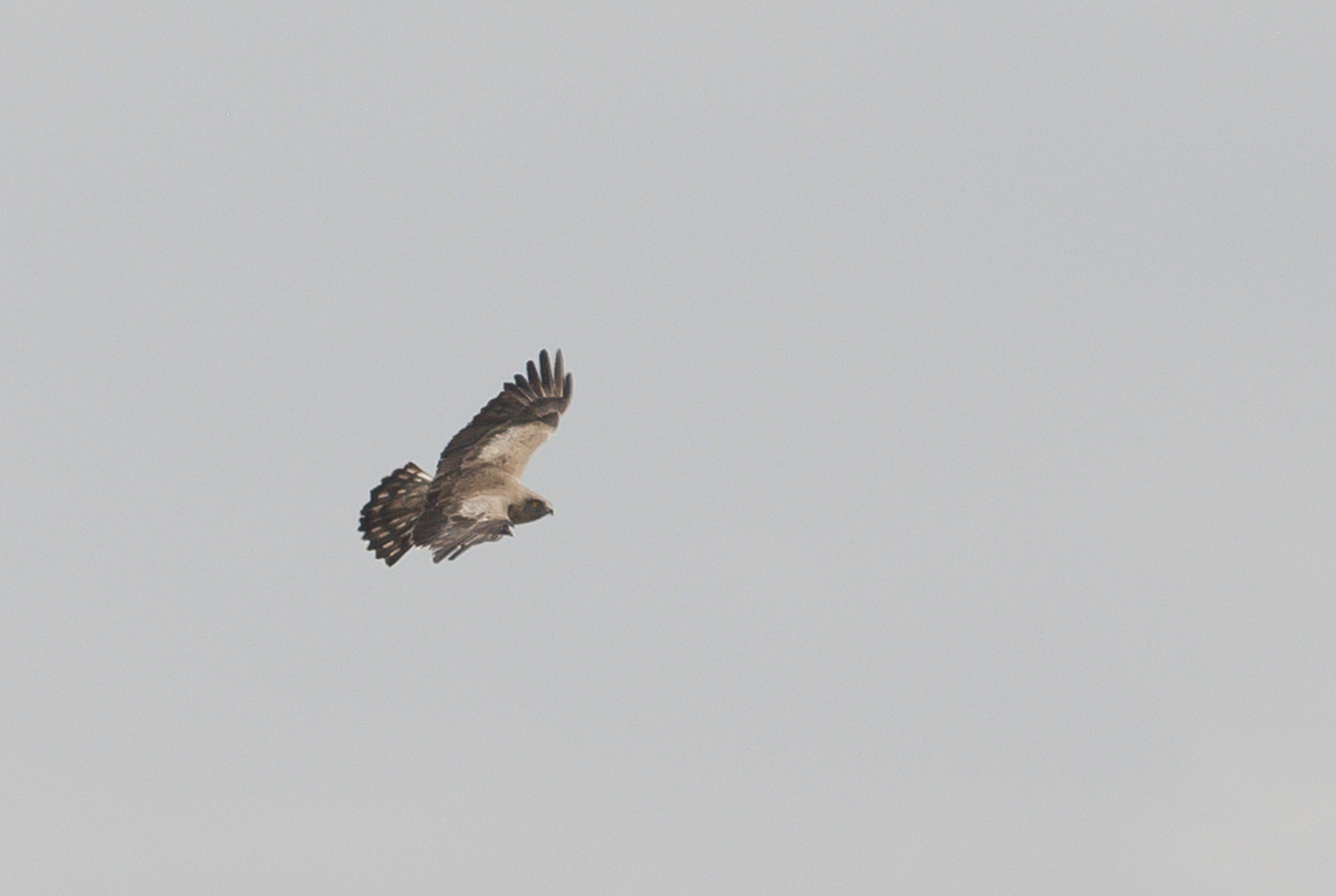
The eagle is a mediumsized to big bird of prey from the family of hawks, except one, the osprey has his seperate family, the Pandionidea. There are many eagle subfamilies with numerous genera. In the Netherlands the sea eagle (Haliaeetus albicilla), is found as a breeding bird, the osprey (Pandion haliaetus) and the snake eagle (Circaetus gallicus) are summer guests, as is the golden eagle (Aquila chrysaetos). With their vast body and powerful legs and claws, the eagle, Accipitriformes, is one of the most impressive precences of the animal world, hence they have been used as a sign of power in human civilizations for centuries. Its wingspan is no less than 2 to 2.5 meters, his body length is 55 centimeters and his weight is five to seven kilograms. With its big body it can lift prey upto two kilograms. On the Internet there are many videos of eagles flying away with huge, even heavier, prey. It can reach a humanlike age of seventy years and thus becomes unprecedentedly old for a (predatory) bird. Unfortunately, the feathers, the beak and claws around his 40th birthday are no longer in a condition with which he can hunt and hold his prey. It is very remarkable that the eagle must make an important decision at the age of 40: die or regenerate. This last change lasts 150 days: it first breaks its beak and when it has grown back pulls its nails out. When the proces is completed it is fit again to hunt for another 30 years.
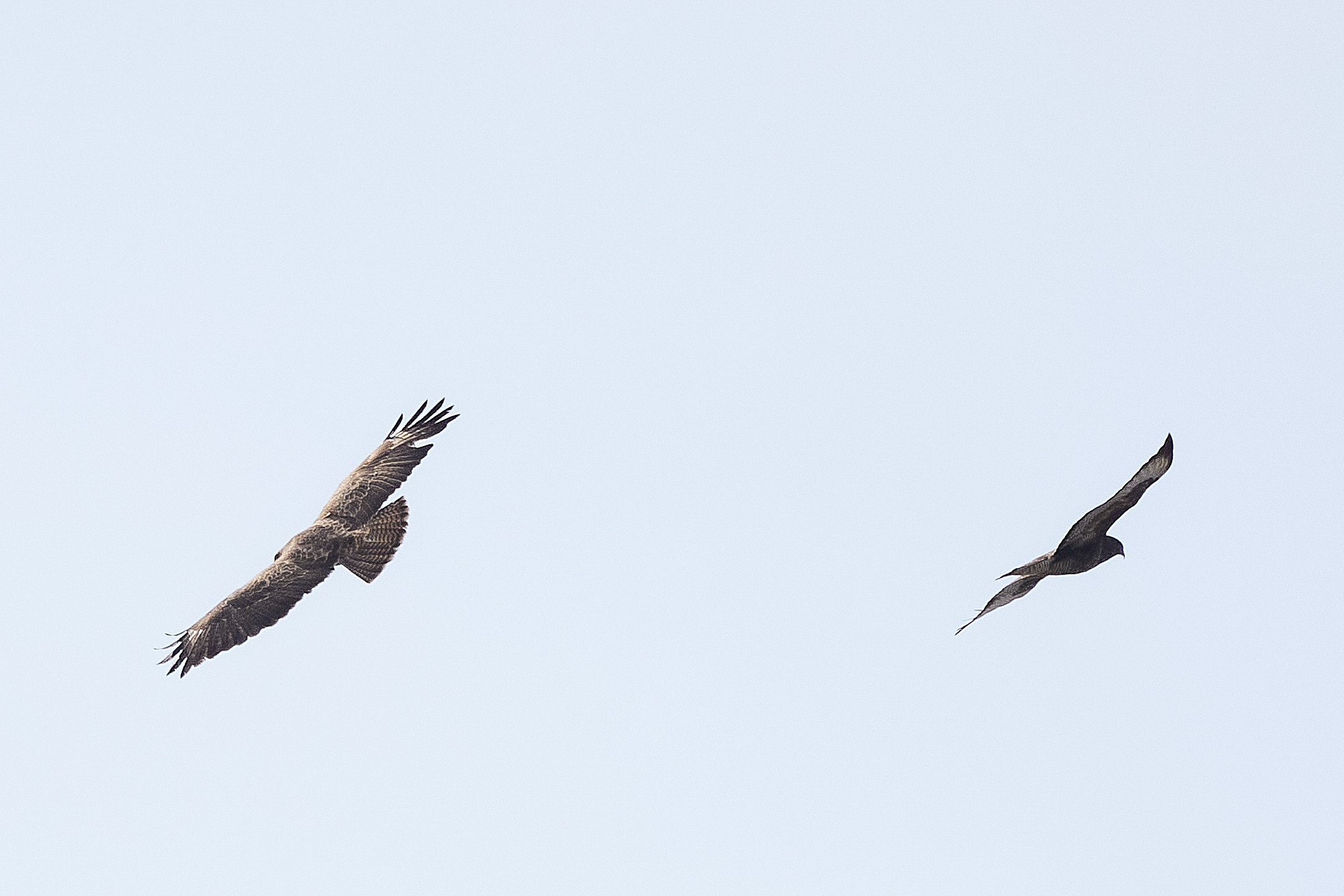
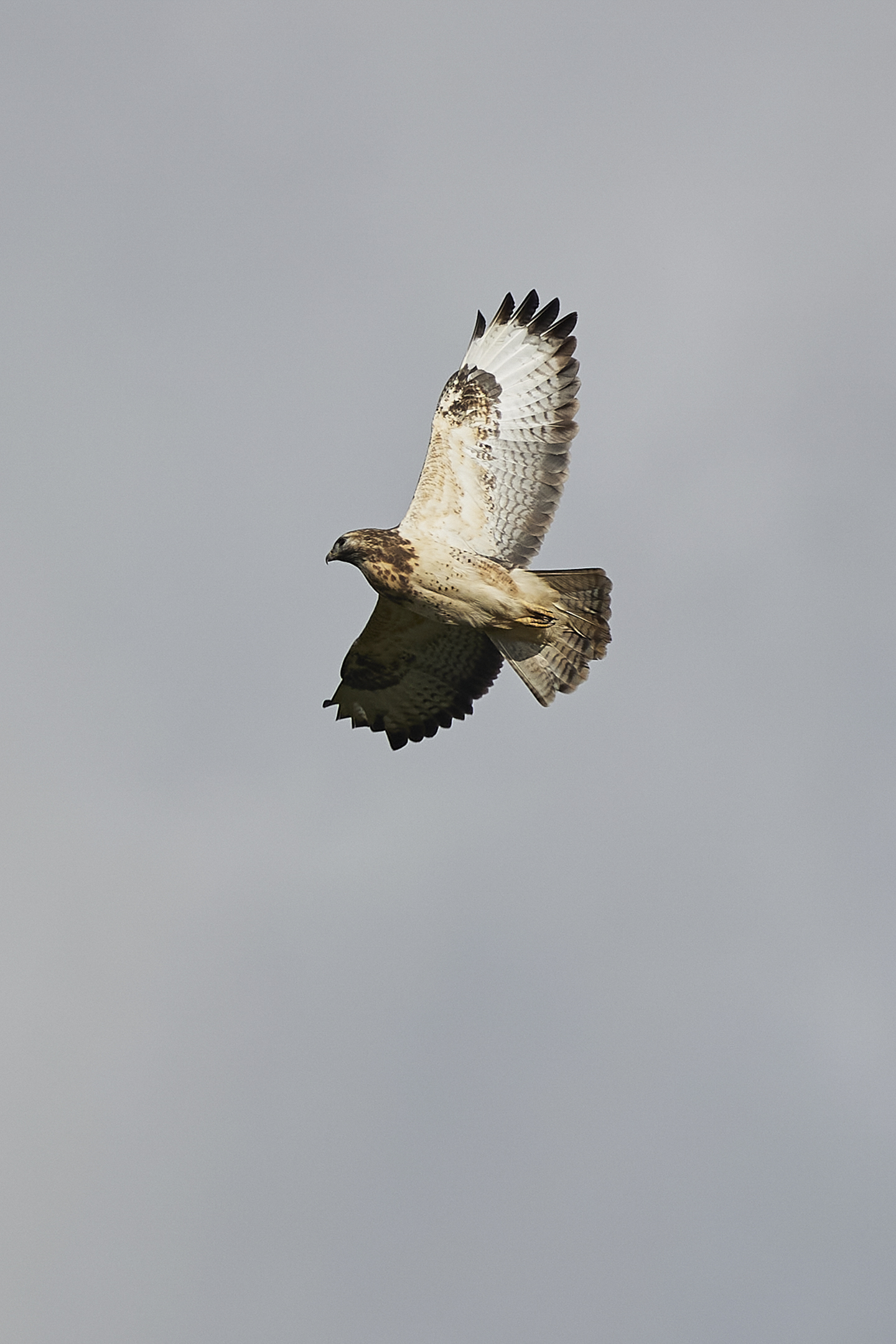
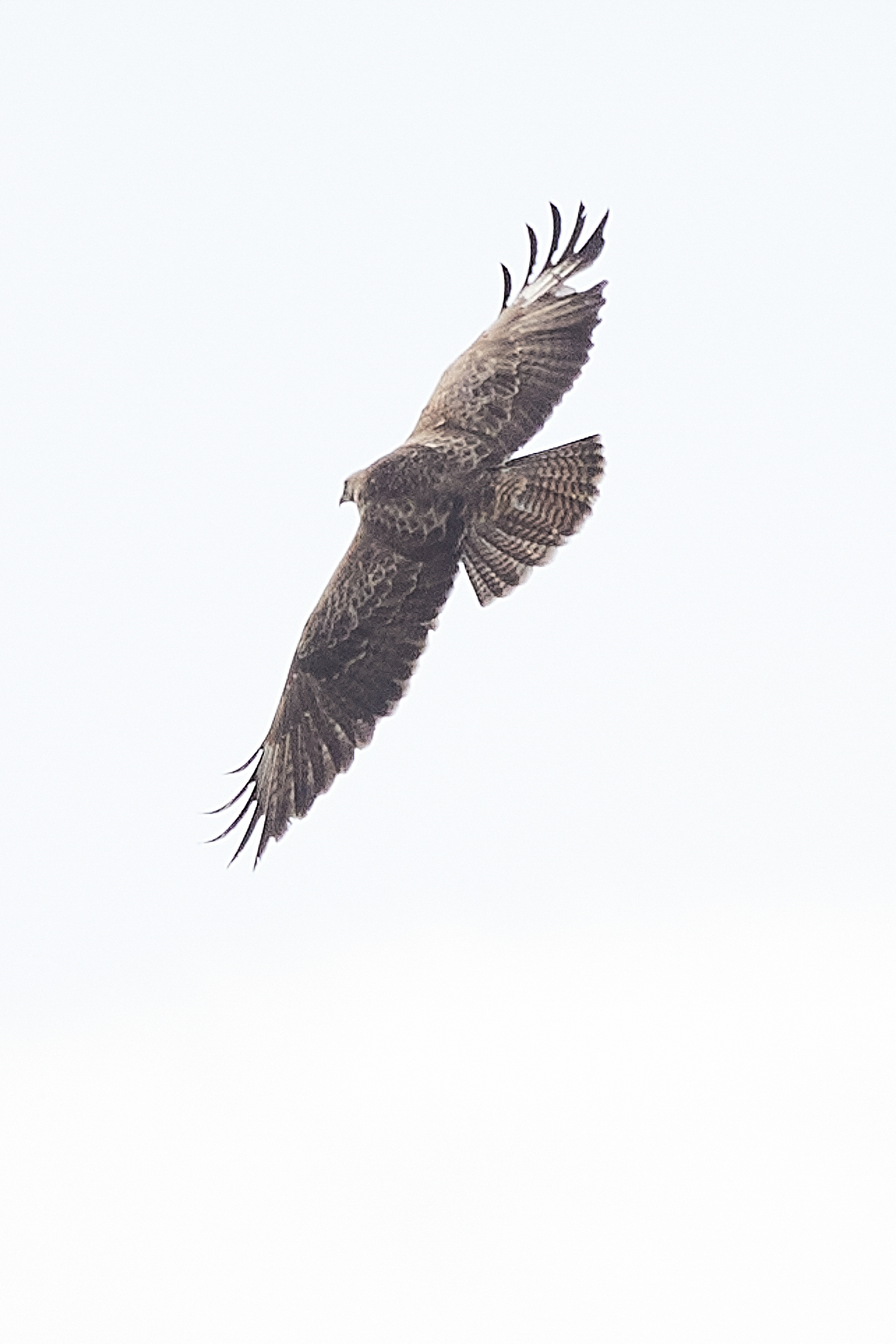
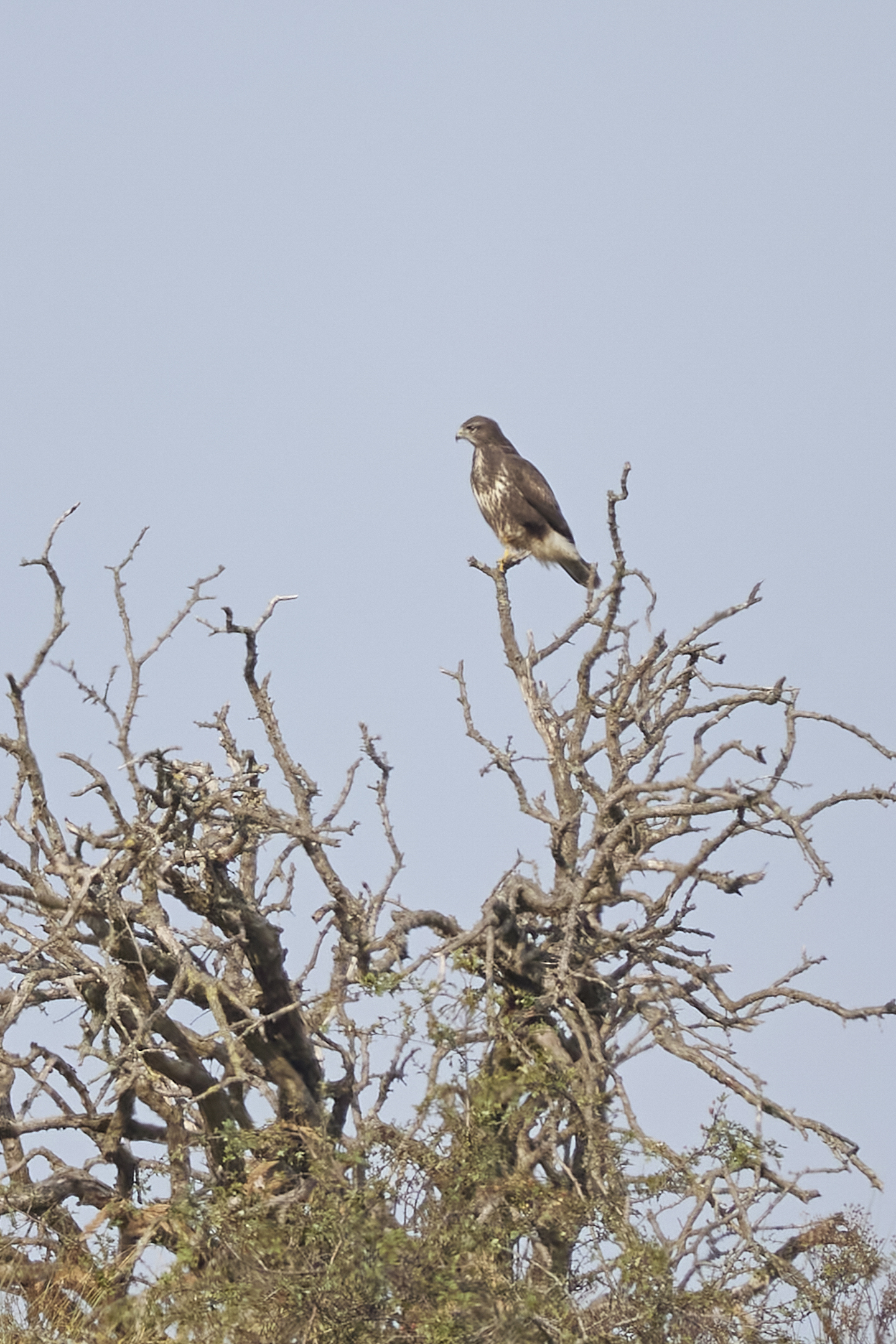
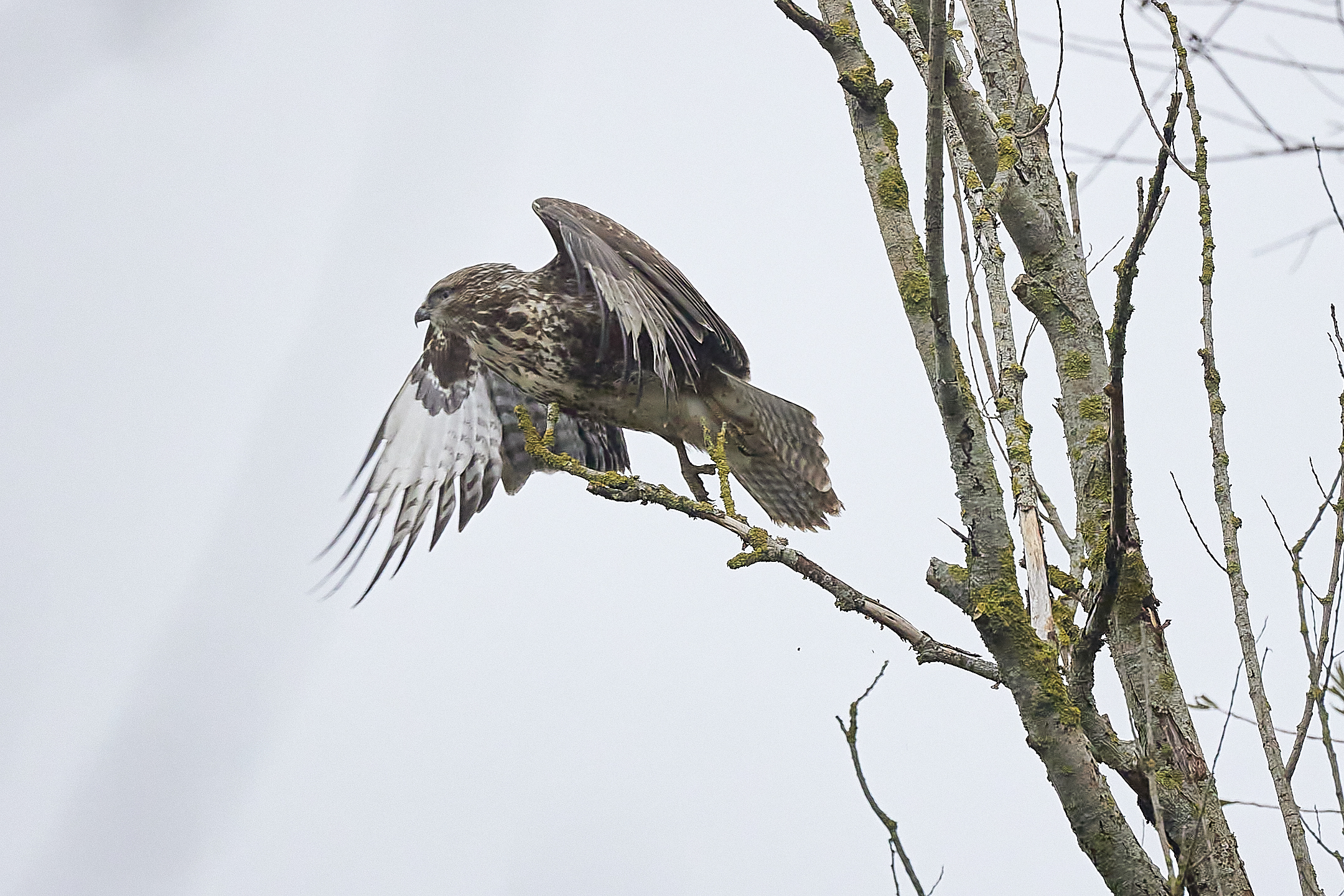
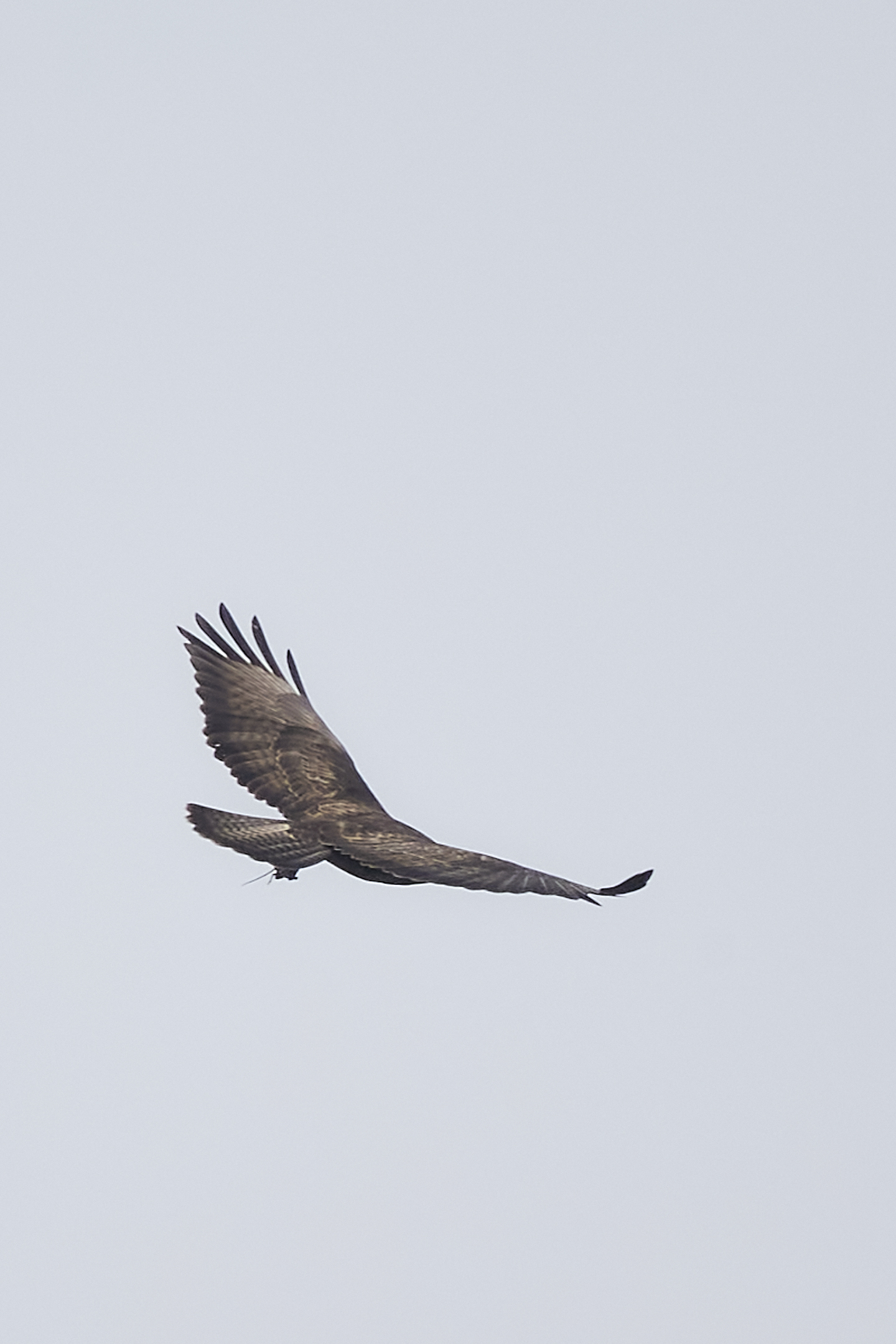
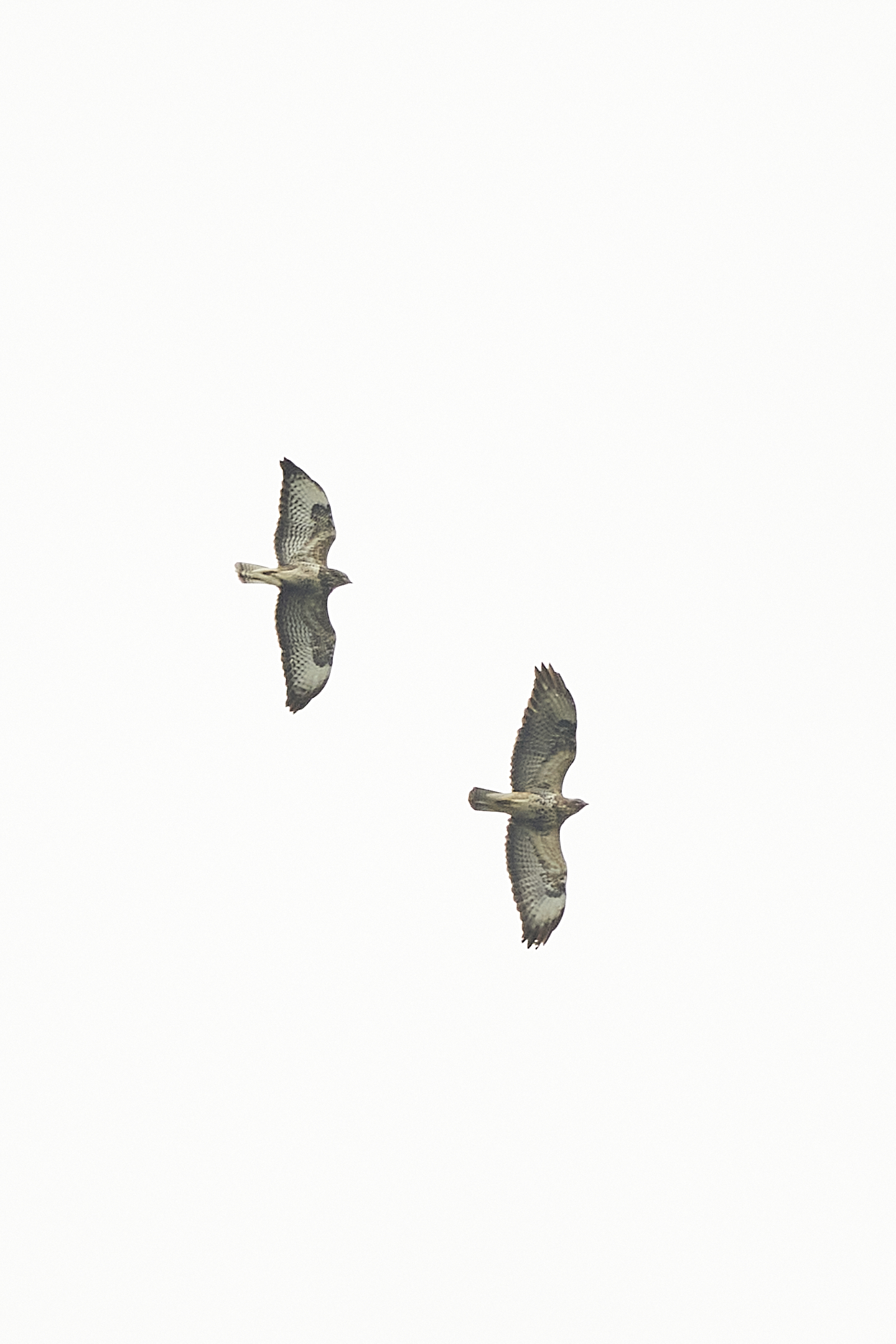
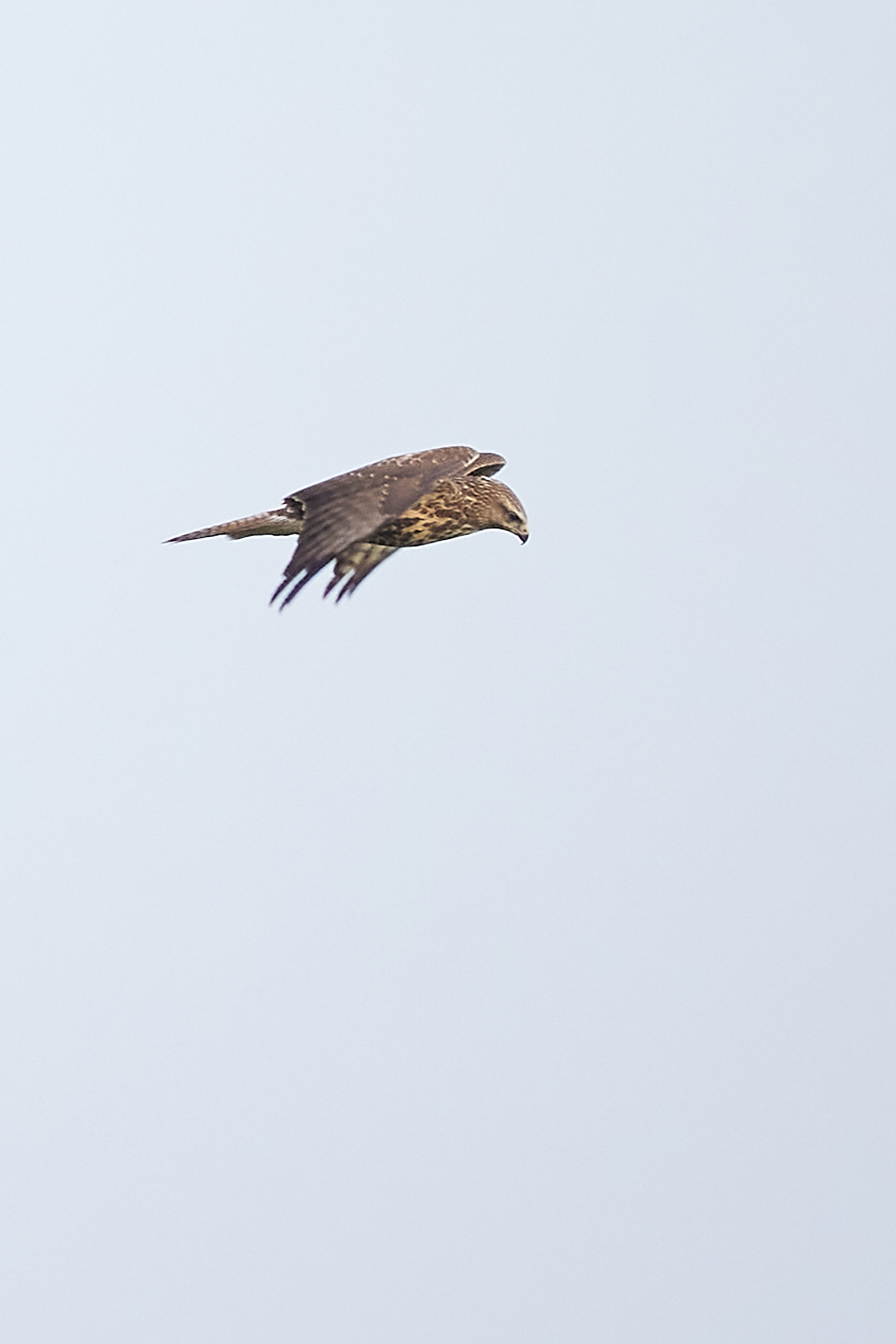
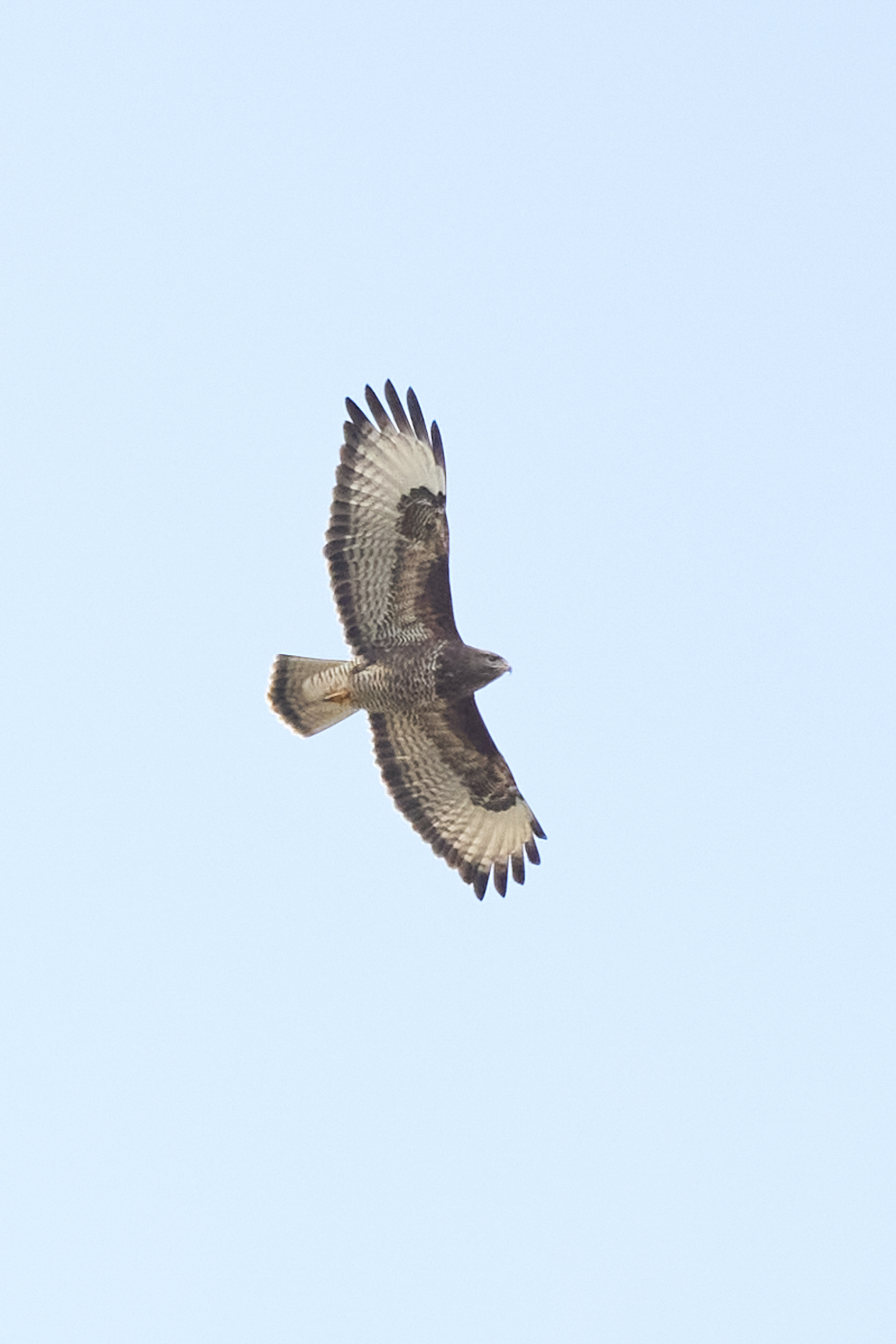
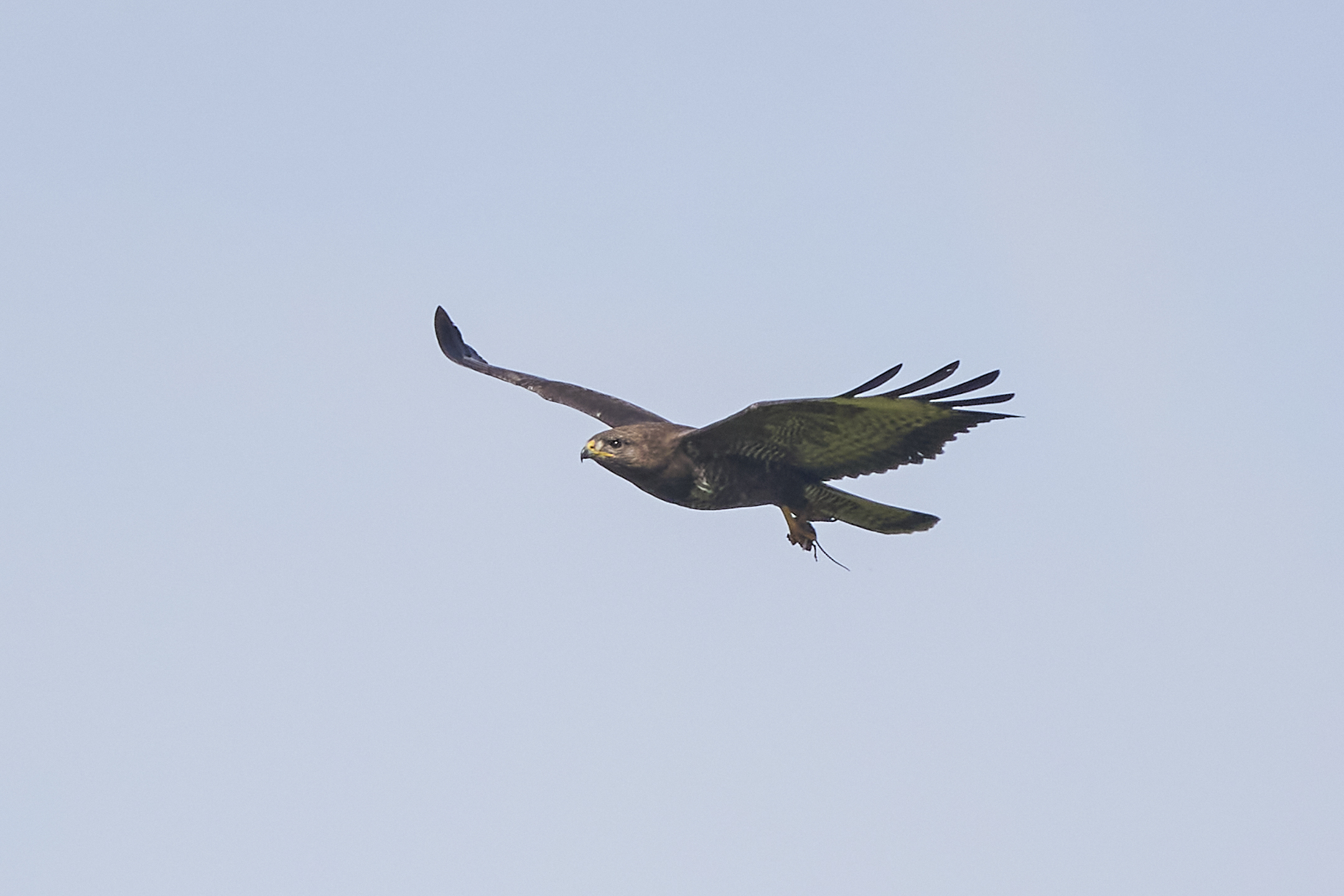
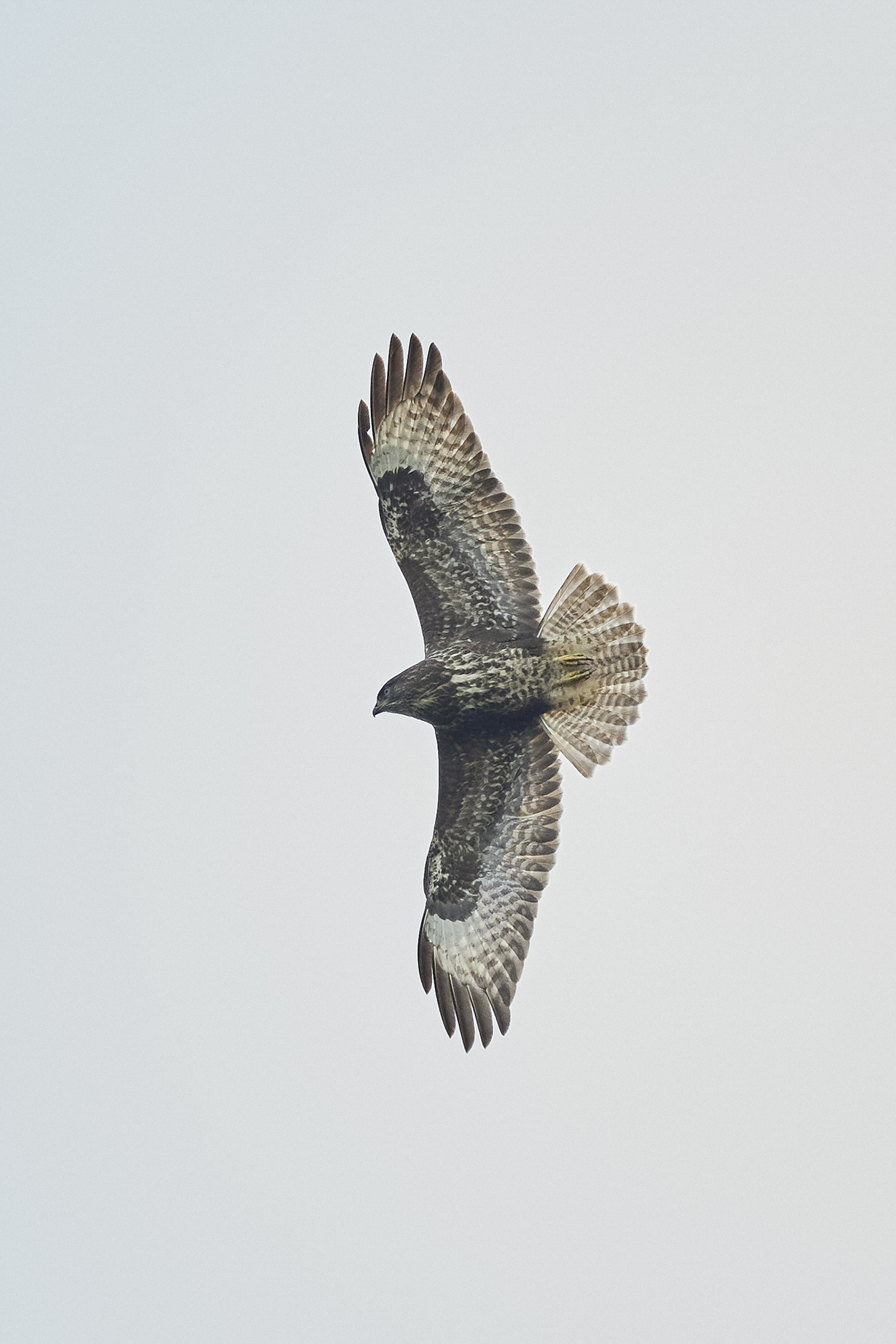
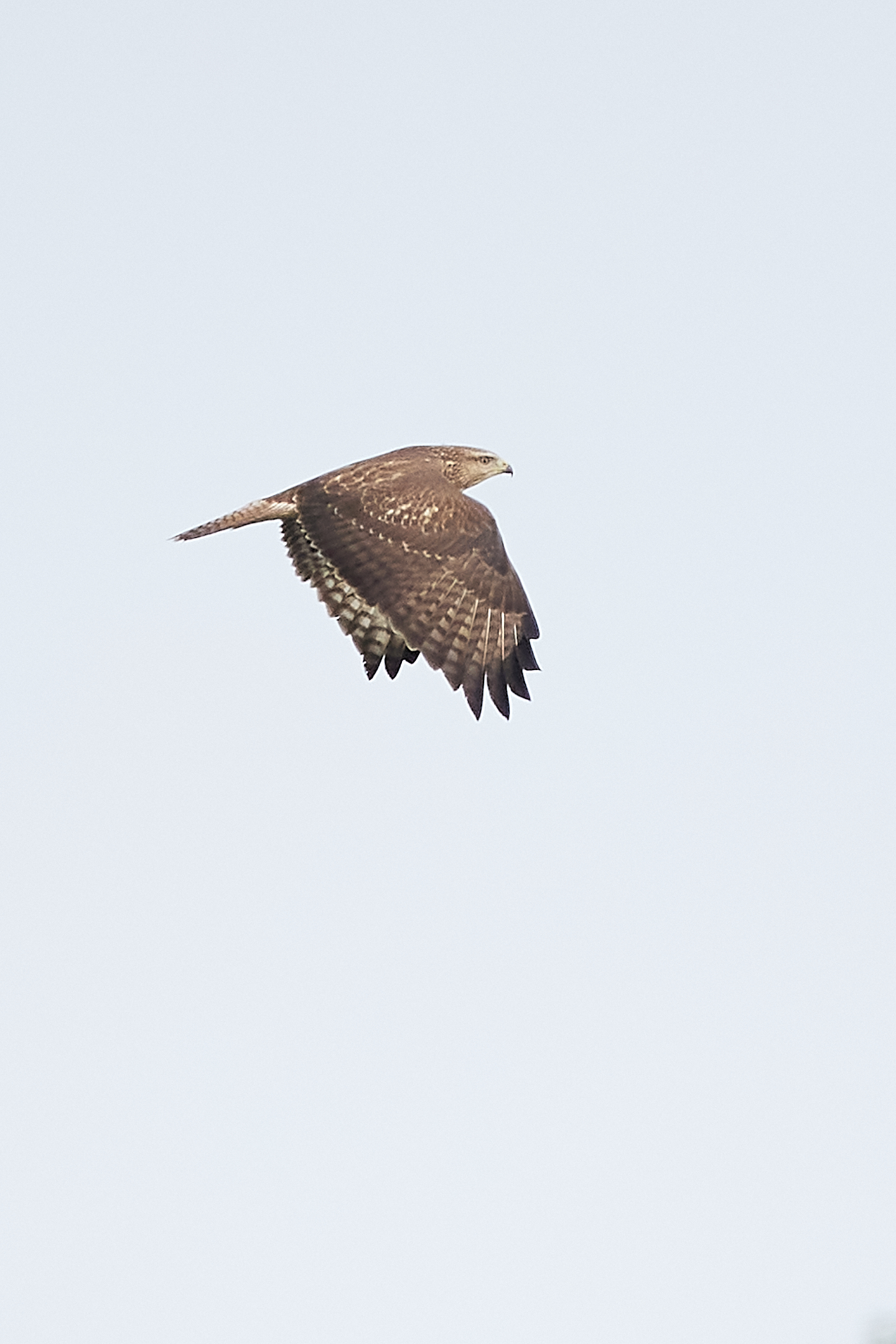
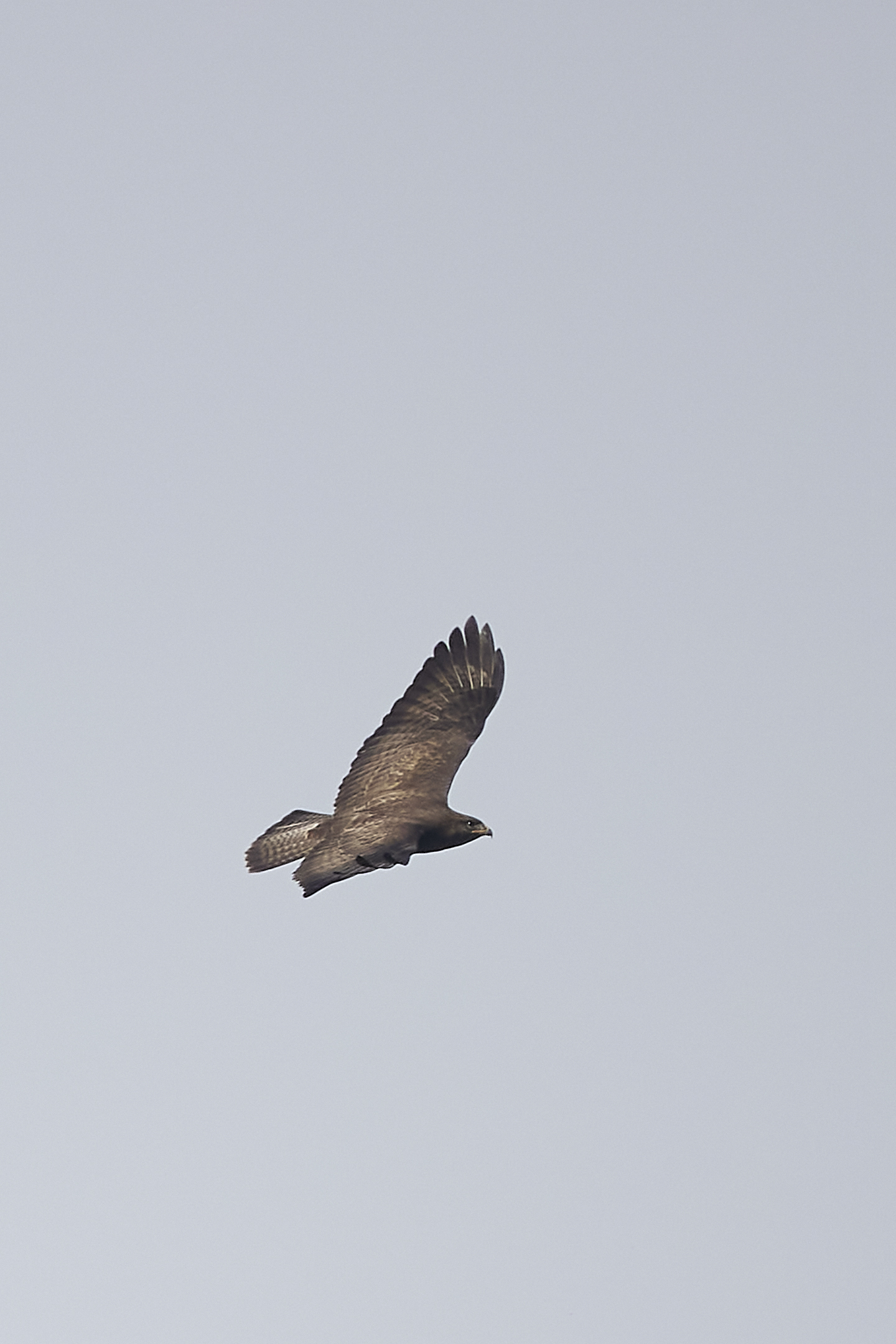
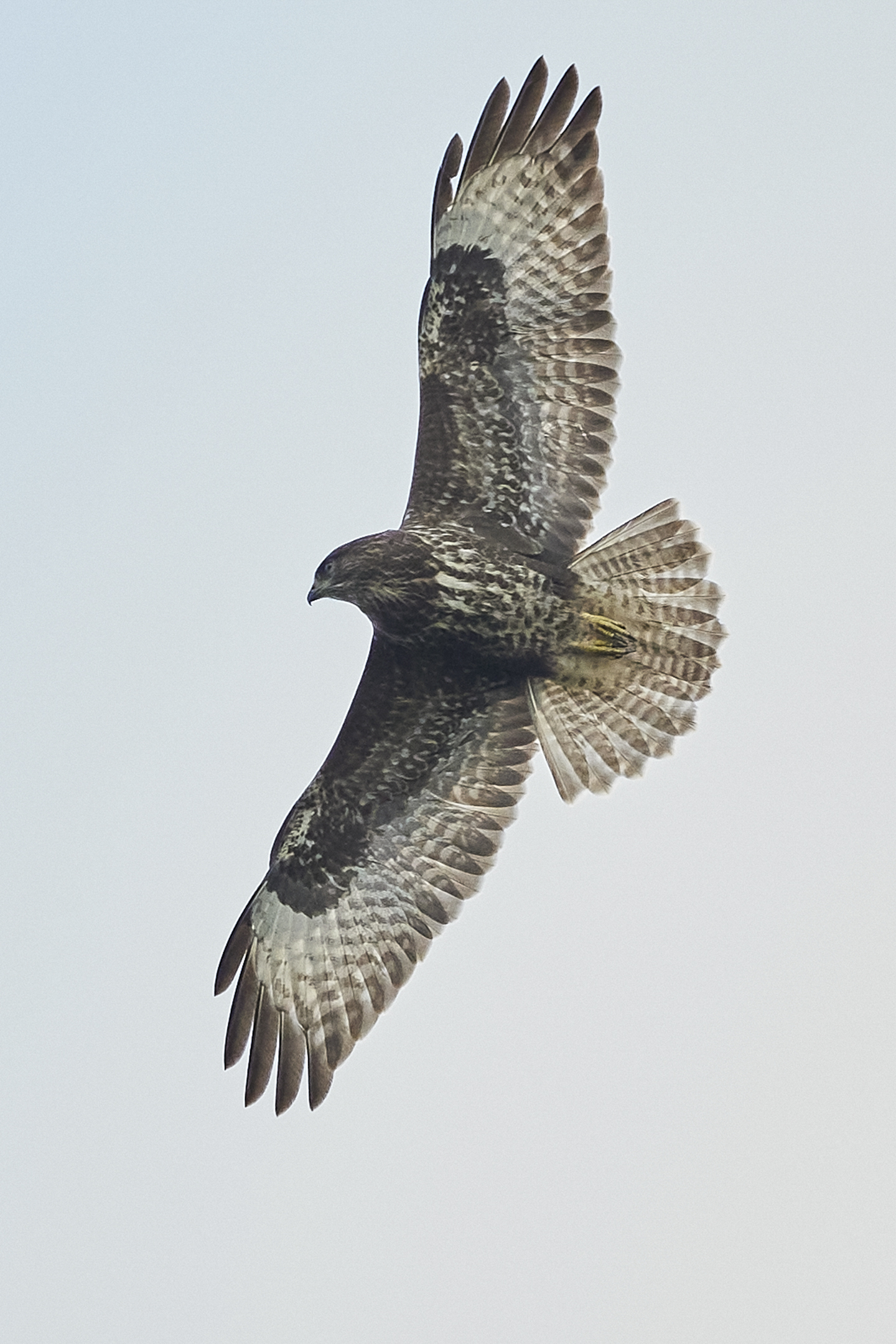
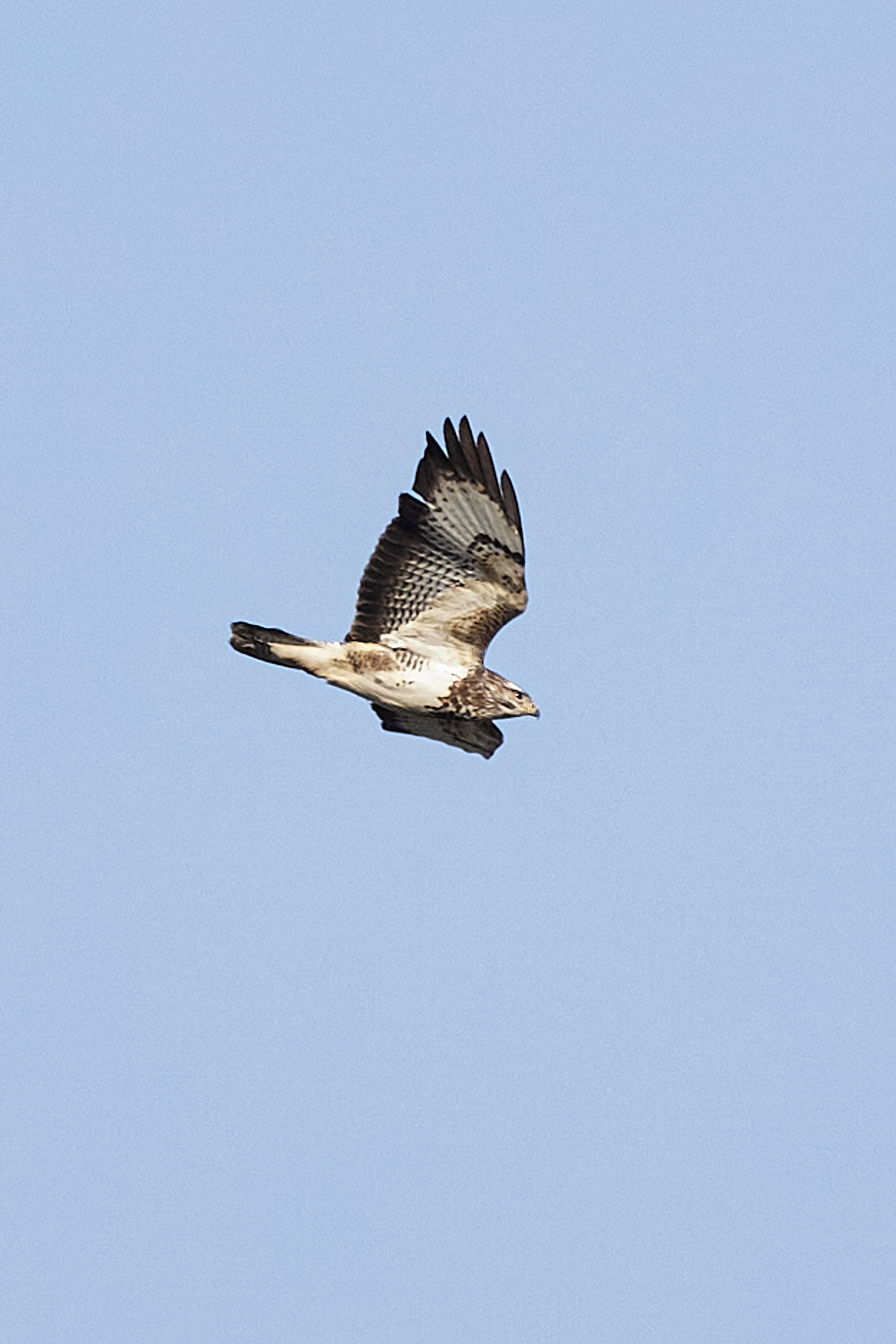
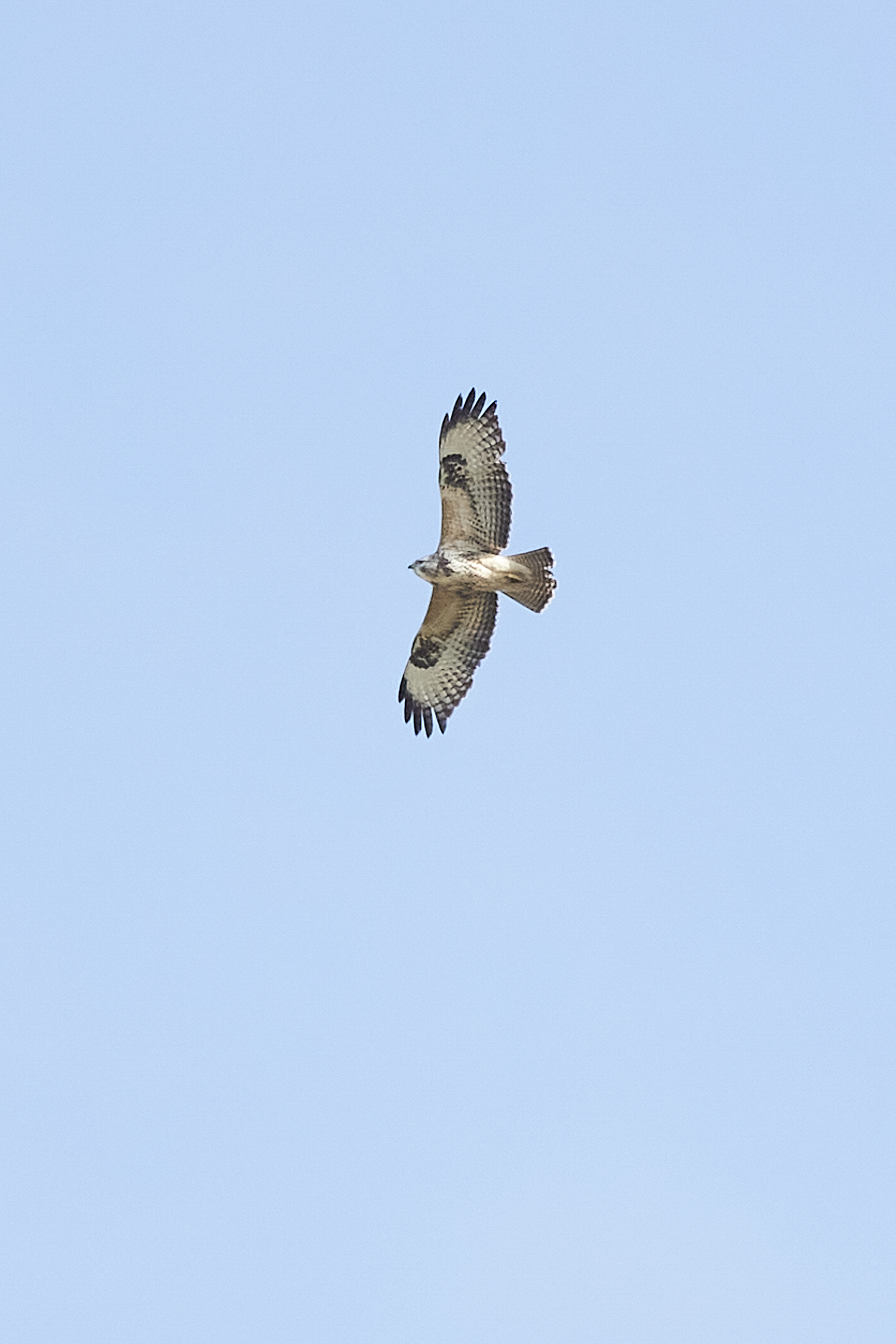
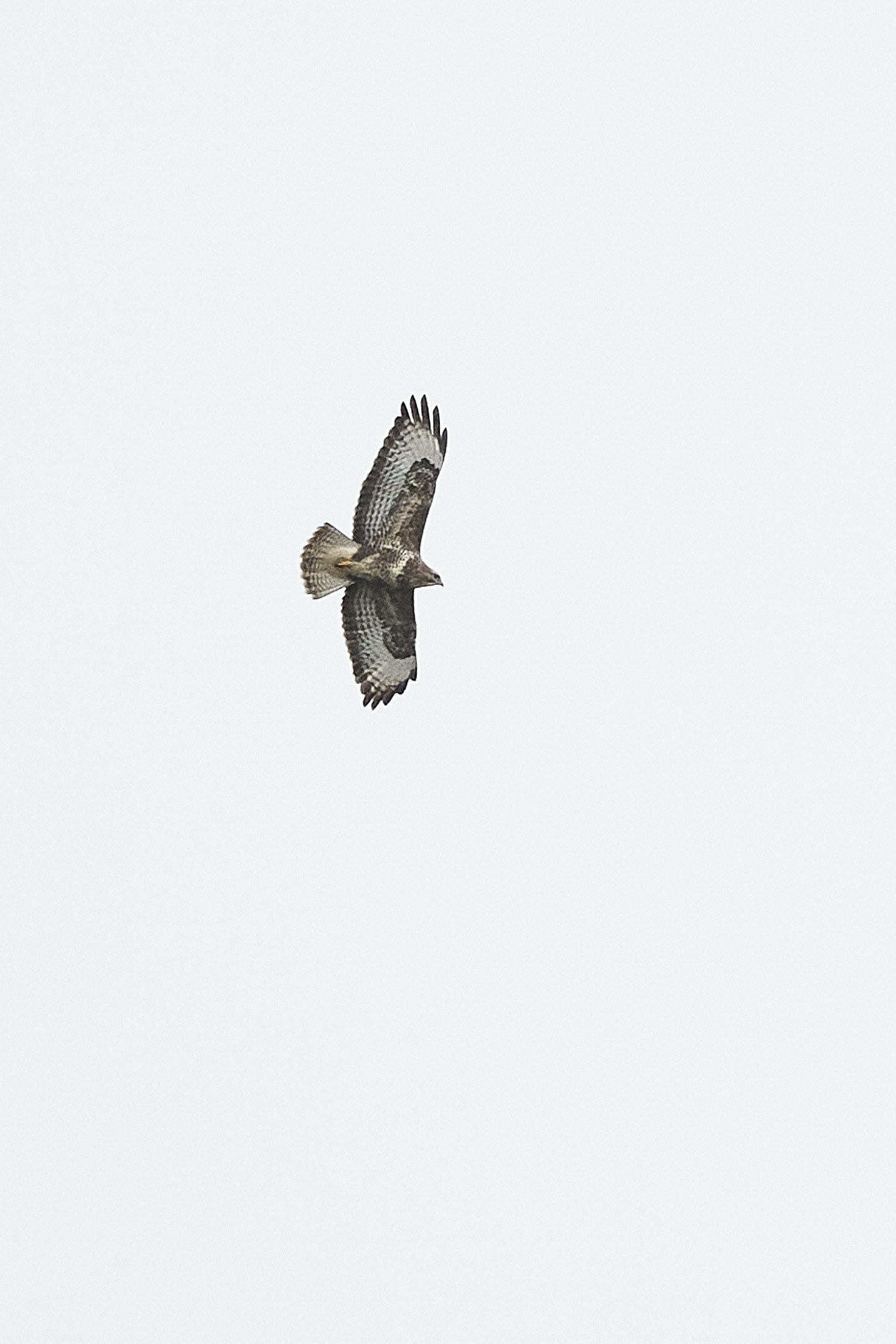
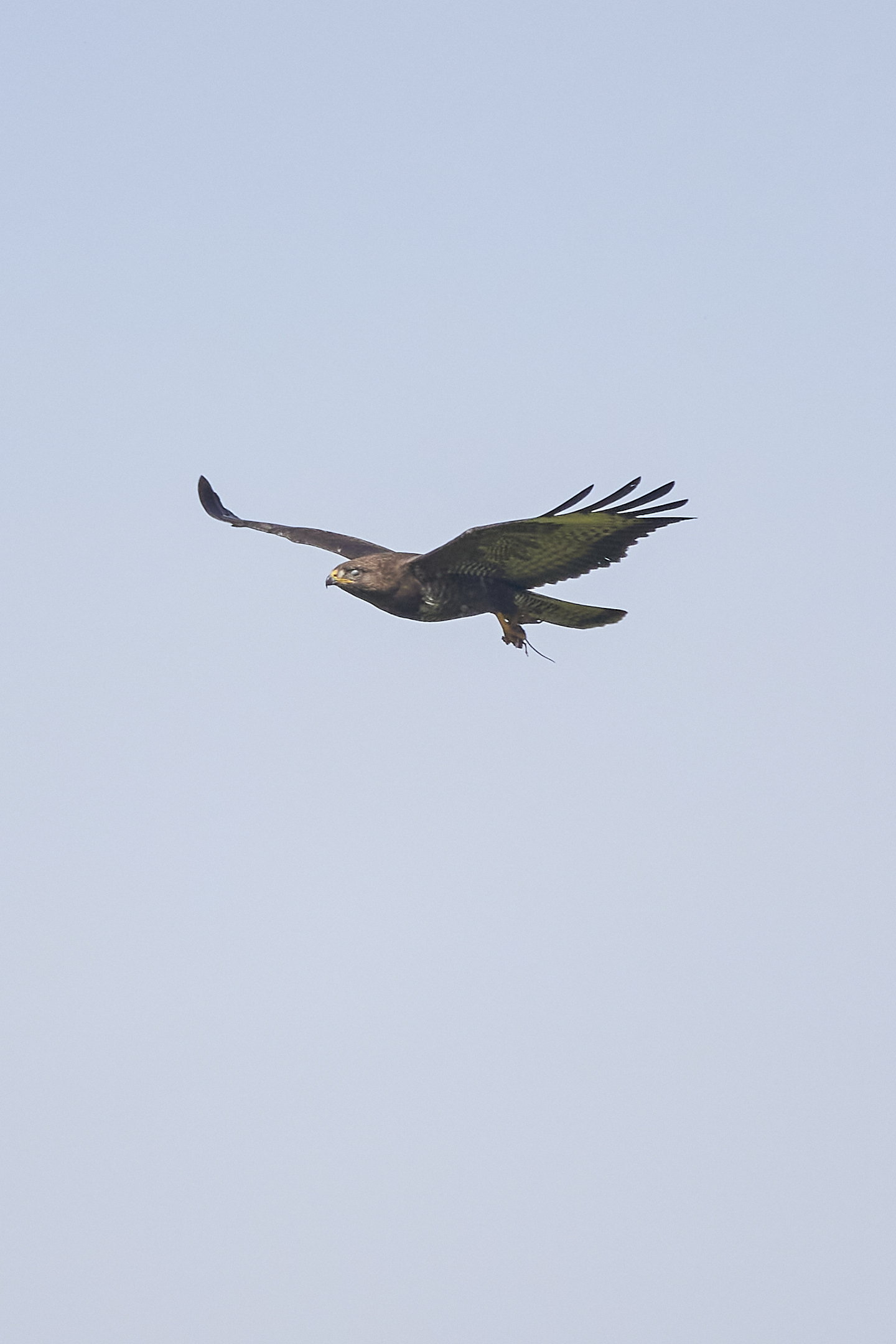
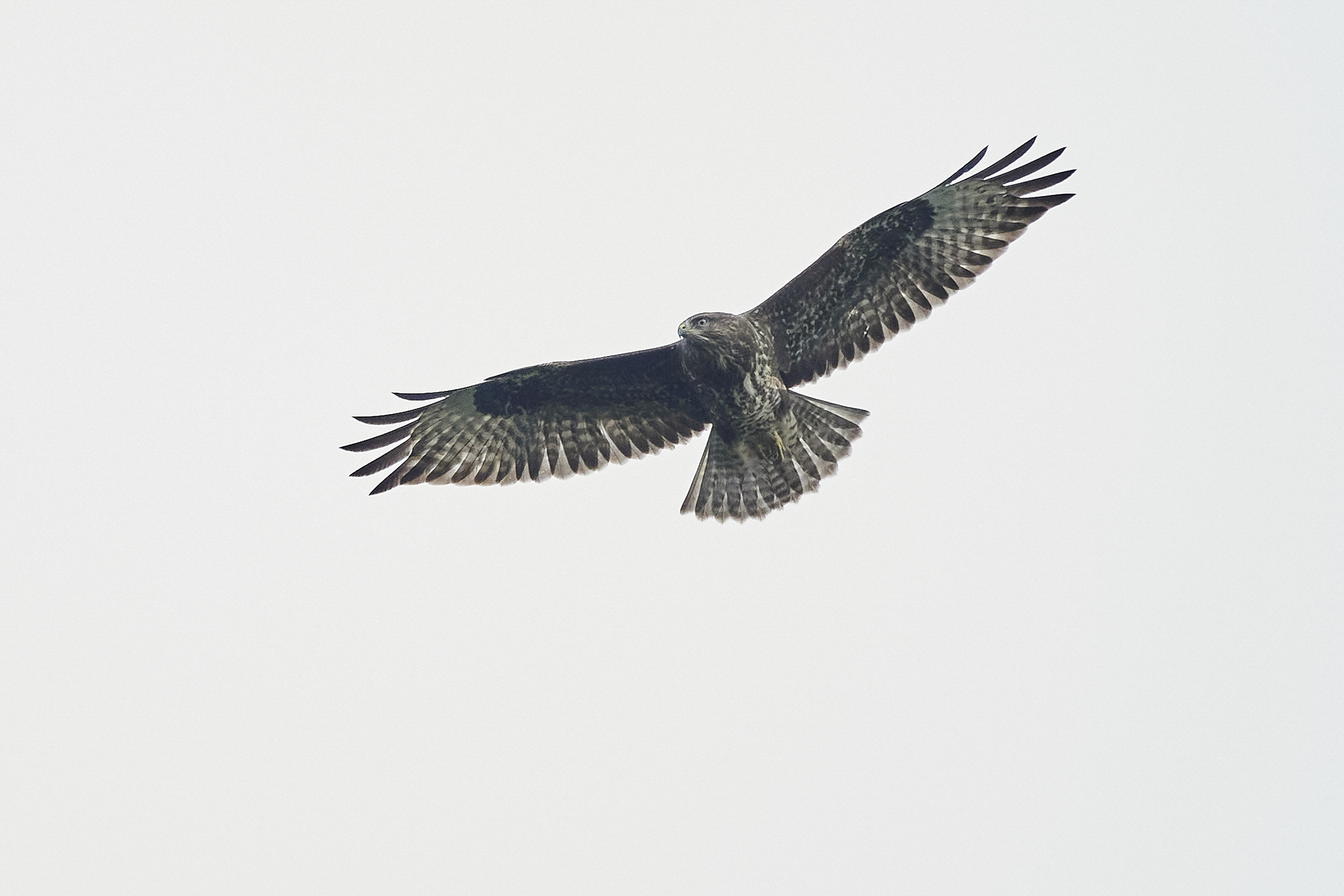
The buzzard, buteo buteo, is a medium-sized bird of prey in the family Hawkidae. It is a resident bird that hibernates in its breeding ground in the Netherlands It hunts in the open country near the forest edges where it nests. The buzzard is certainly not a fast hunter like the peregrine falcon and feeds on voles, field mice, young rabbits, frogs and small birds, but also on earthworms and beetles. It is also known as a scavenger, which means that it also feeds on remains of other animals. After the use of pesticides had stopped, the buzzard had multiplied immensly in the last decades of the twentieth century compared to preceding sixties, when the buzzard had almost disappeared in Holland. The population has increased from 2000 to 20,000 breeding pairs in 2020. It is wonderful to see a buzzard hover high in the sky on thermals with its characteristic very wide circular movements that slowly shifts in a other direction. Usually it does so by its self, but I have also seen four buzzards in a group hanging over the Amsterdam Waterleidingduinen. The buzzard has a spring of about 55 centimeters with a wingspan of 113 to 128 centimeters and weighs between 0.43 and 1.4 kilogrammes. The hatch contains two to four eggs and the young fly out after about fifty to sixty days, but are still fed six to eight weeks.
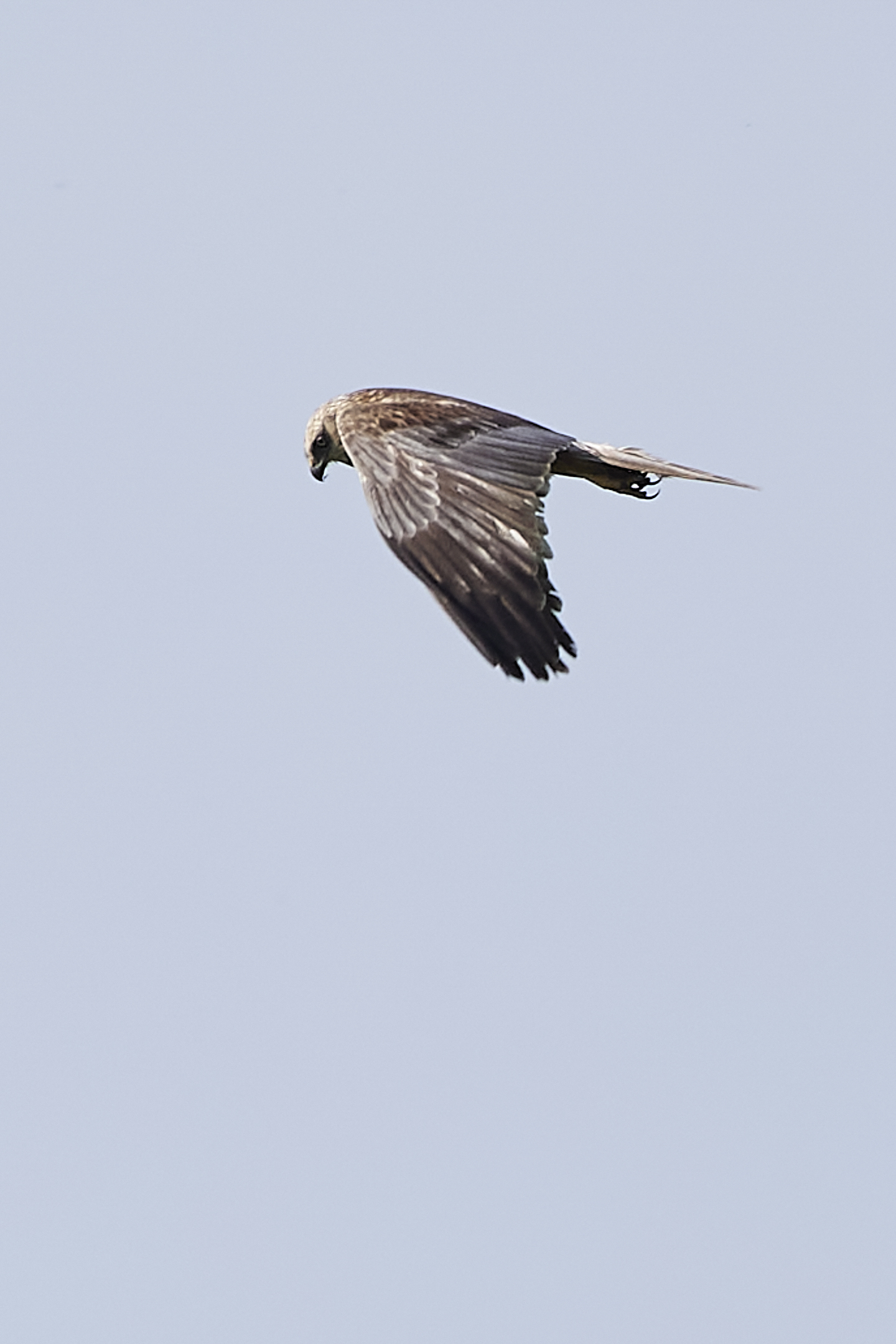
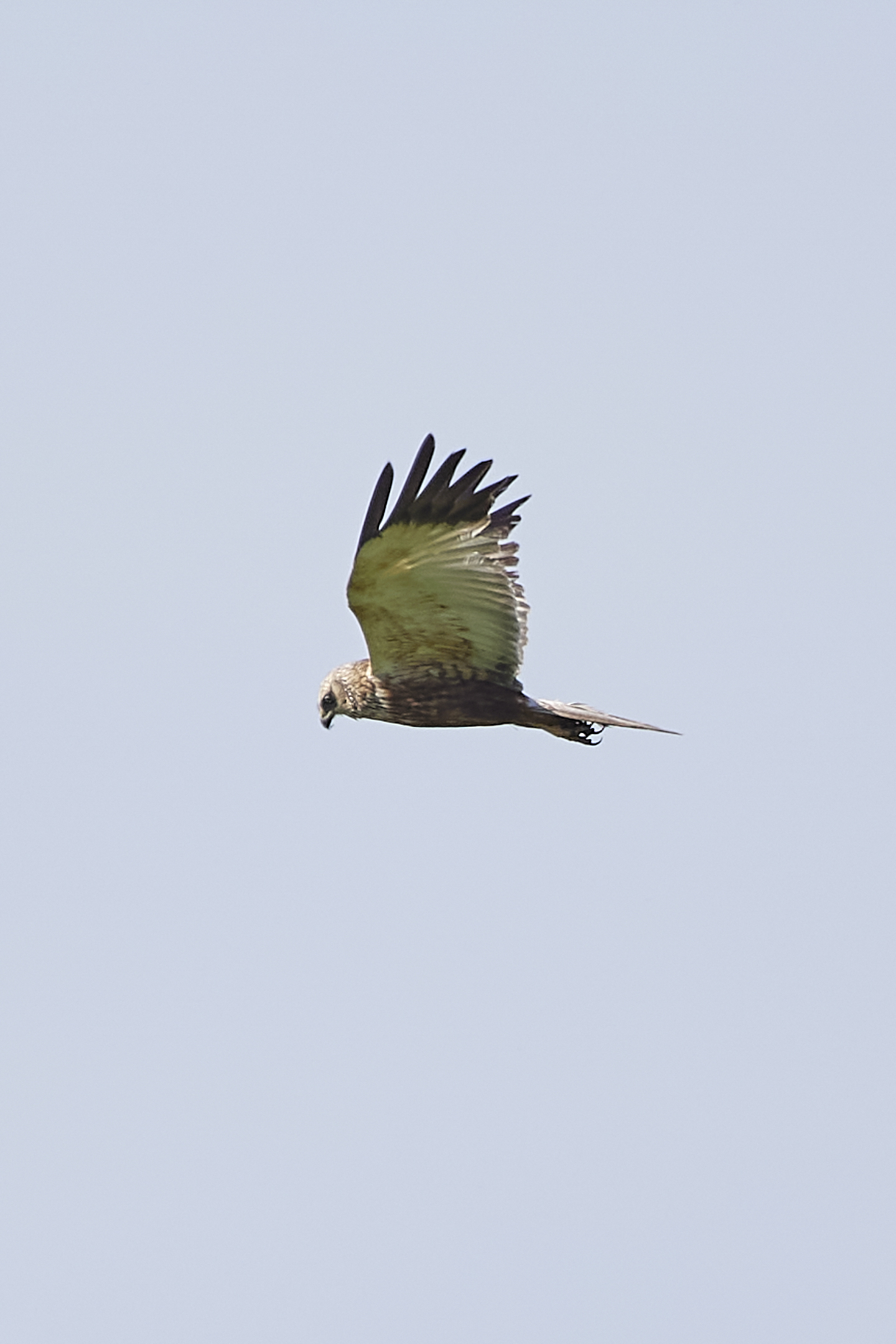
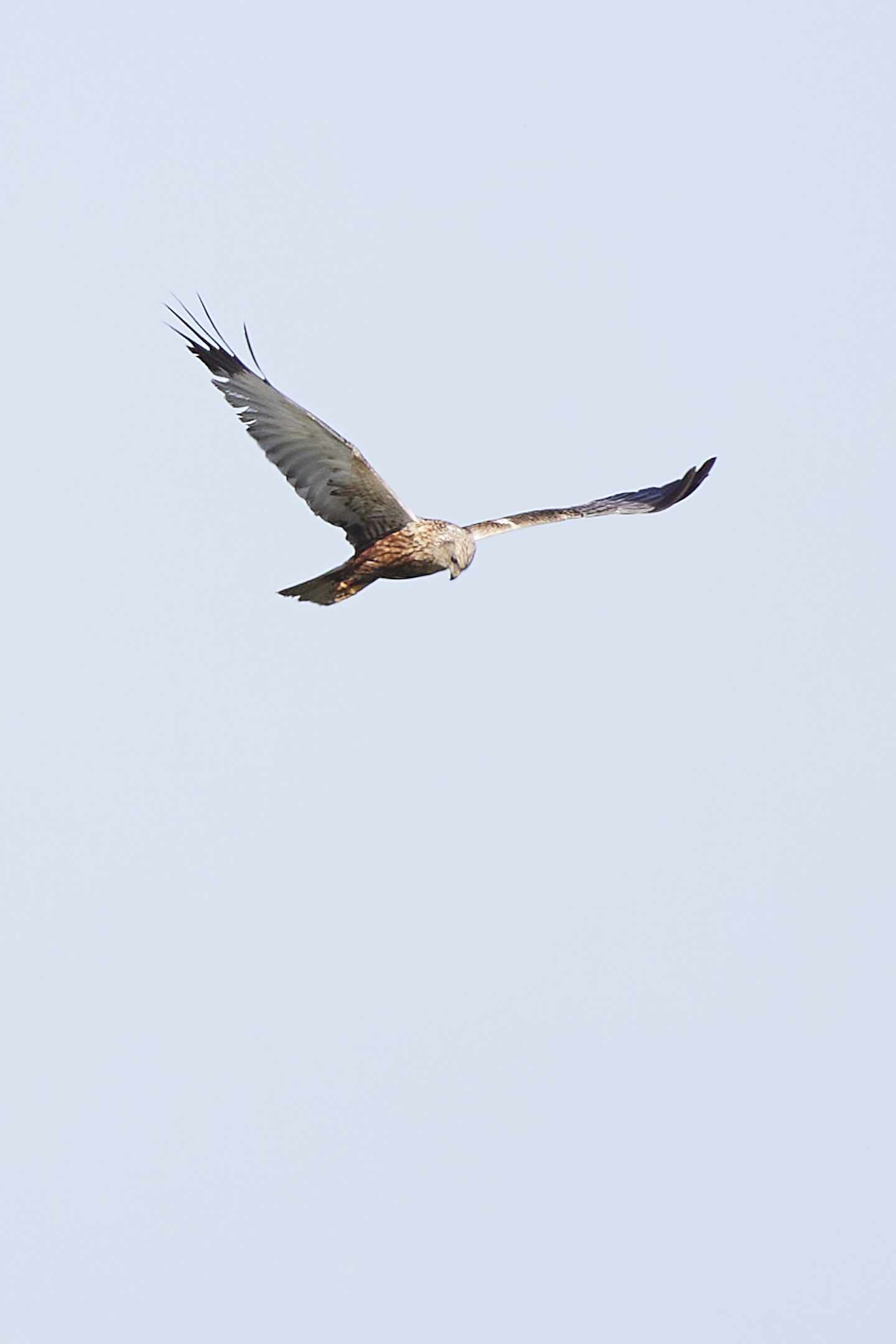
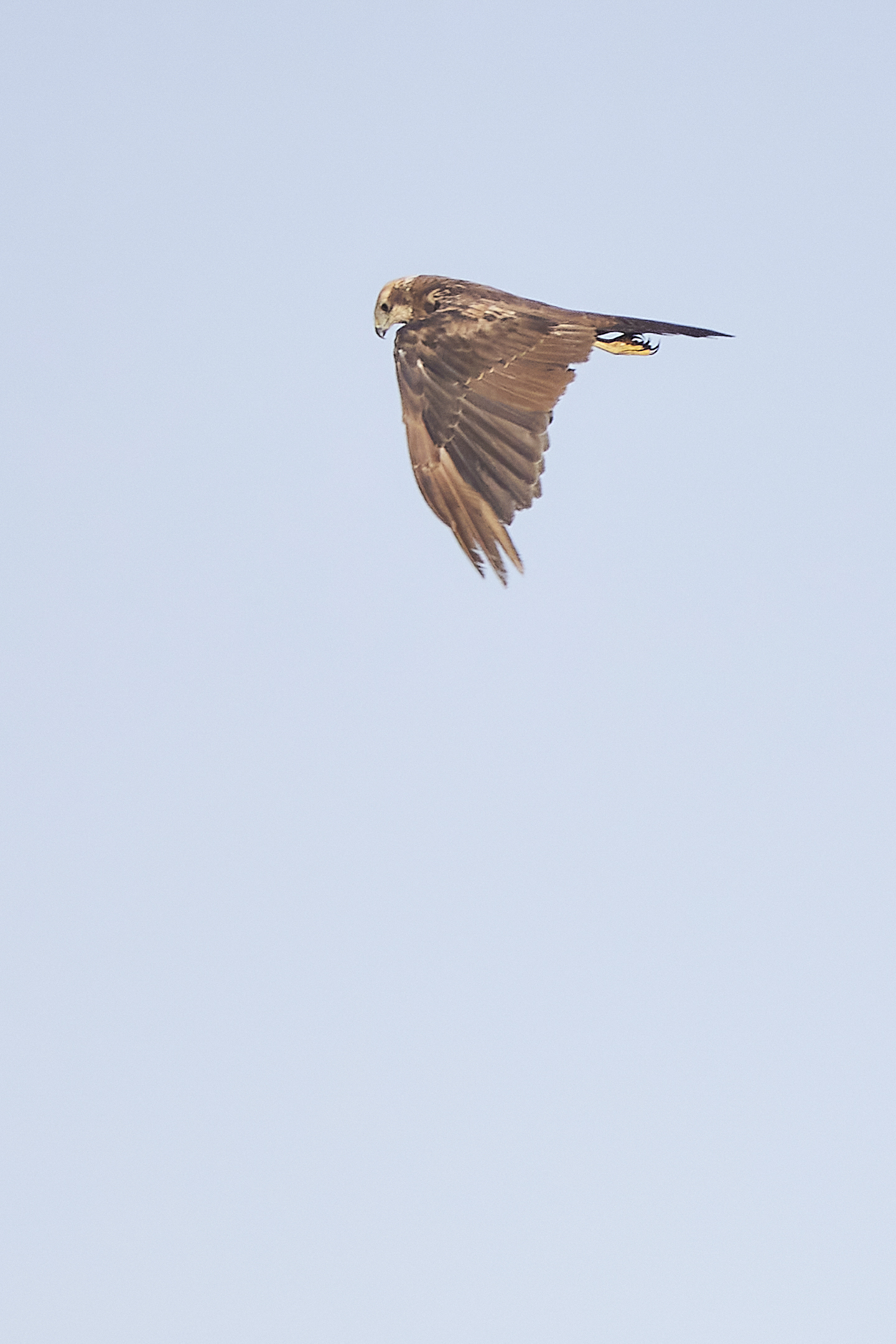
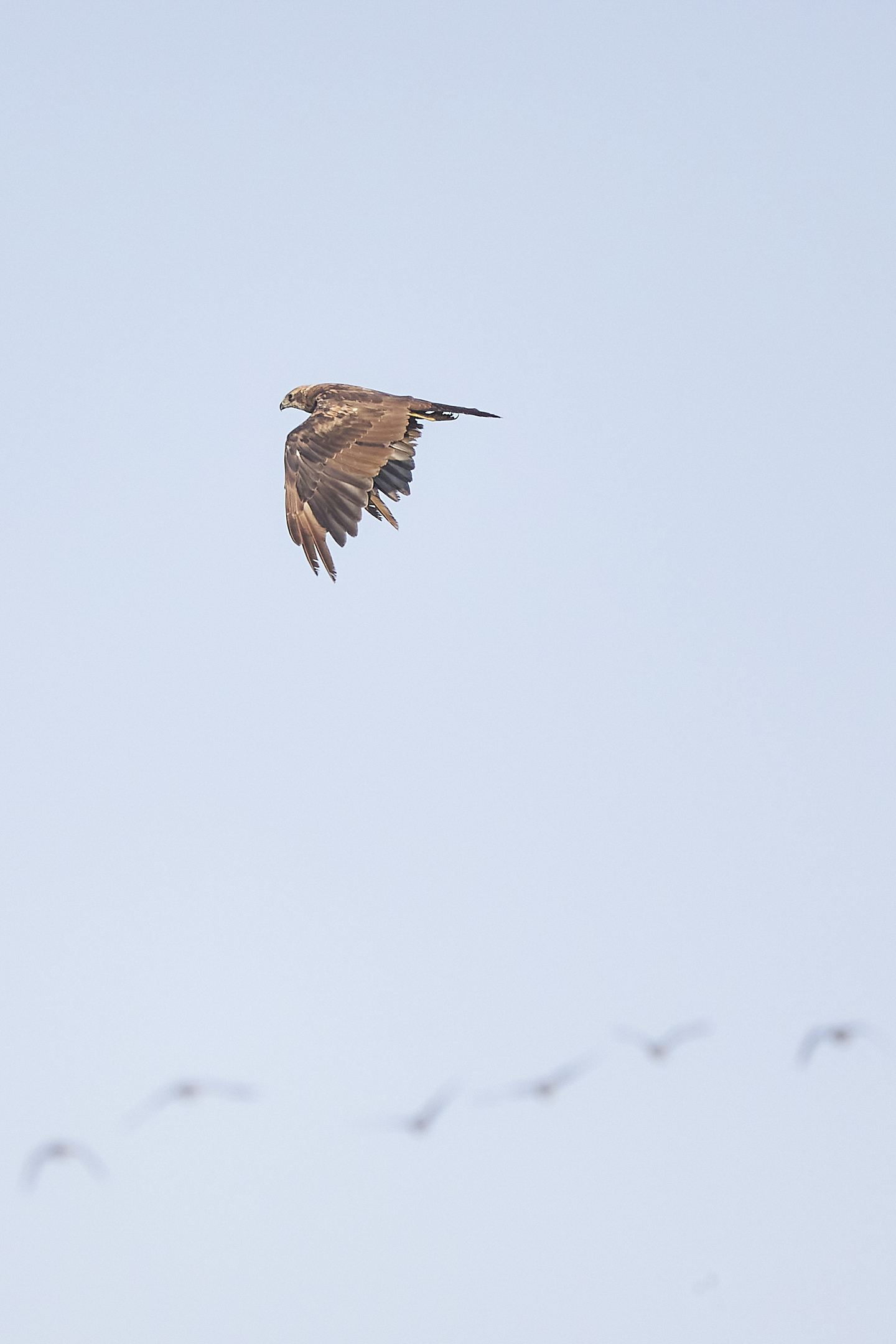
Harriers (Circus) belong to the hawks, Accipitridae, and are almost all ground breeding birds and therefore do not have their nests like other birds of prey in the trees. The genus Circus is due to the fact that the males and females rotate in circular movements during the flight. They prefer swamp-like reed areas. This is why sixty brown marsh harriers pass the night nature reserve Waverhoek, all of which fly out around half past five in the morning to surrounding areas and spend the day there hunting. In the Netherlands there are 13 species of three species of which themarsh harrier is most commonly seen. They weigh around 350 grams and are usually 47 centimeters long with a wingspan between 115 and 145 centimeters. The young leave their nest after three to four weeks, after which they do linger. In the Netherlands, a harrier can have a lifespan of 17 years.

